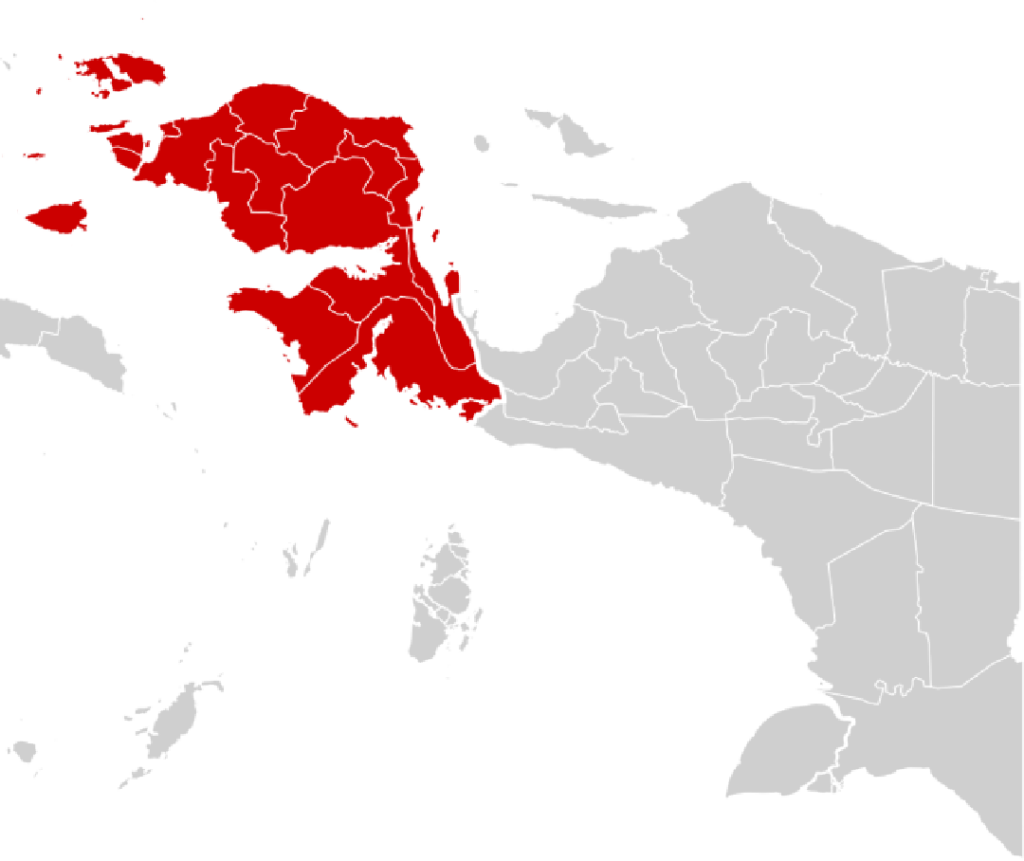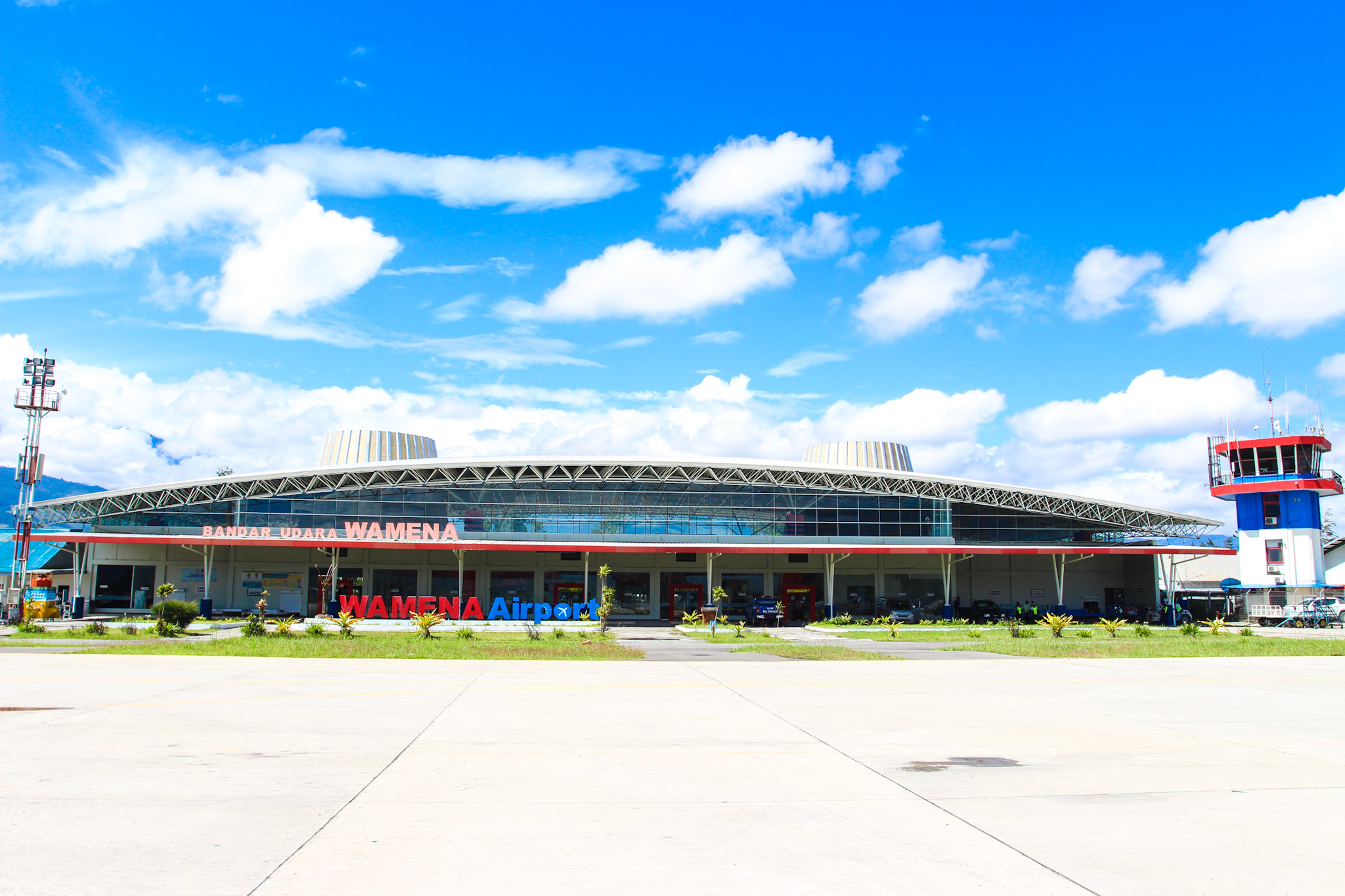
In the highlands of Papua Pegunungan (Highland Papua), distance is not measured only in kilometers. It is measured in hours of travel, in the cost of basic goods, and in how quickly help can arrive when it is needed most. For decades, air transportation has served as the backbone of daily life in this mountainous region, where roads are limited and geography often dictates the pace of development. Against this backdrop, the decision by the Papua Pegunungan Provincial Government to extend the runway at Wamena Airport by 70 meters represents more than a technical infrastructure project. It is a strategic move aimed at strengthening mobility, improving regional connectivity, and unlocking new economic potential for the central highlands of Papua.
Although the extension may appear modest in numerical terms, its implications are far-reaching. The project reflects a growing awareness among regional leaders that connectivity is not merely a supporting factor for development but a prerequisite. By investing in aviation infrastructure, the provincial government is addressing one of the most fundamental challenges faced by communities in Papua Pegunungan: access.
Wamena Airport as the Lifeline of the Highlands
Wamena Airport occupies a unique position in Papua Pegunungan. Situated in Jayawijaya Regency, it functions as the primary gateway for people, goods, and services entering and leaving the highland region. For many districts surrounding Wamena, air travel is not an option of convenience but a necessity.
Medical evacuations, delivery of essential goods, government services, and educational mobility all depend on reliable air access. In times of emergency, such as natural disasters or health crises, the airport becomes the only viable link between isolated communities and external assistance. Any improvement in the airport’s capacity therefore has a direct impact on human welfare.
The provincial government’s decision to prioritize the runway extension acknowledges this reality. Officials have emphasized that improving airport infrastructure is a direct investment in public service delivery, not merely an aviation upgrade.
The 70 Meter Runway Extension Project
The project involves extending Wamena Airport’s runway by 70 meters, funded through the Papua Pegunungan provincial budget. The work is being carried out with careful coordination between the provincial government and aviation authorities responsible for airport operations.
Prior to the extension, Wamena Airport already had a runway capable of accommodating medium-sized aircraft. However, increasing traffic volume, operational demands, and safety considerations prompted the need for improvement. Aviation experts have long noted that high-altitude airports such as Wamena require additional safety margins due to weather variability and terrain constraints.
By extending the runway, the government aims to enhance operational safety, provide greater flexibility for aircraft movement, and support more stable flight operations. Once completed, the upgraded runway will be handed over to the relevant airport management authority to ensure compliance with national aviation standards.
Safety Considerations and Aviation Standards
One of the key motivations behind the runway extension is aviation safety. Papua’s highland airports operate under challenging conditions, including unpredictable weather, limited visibility, and complex approach paths shaped by surrounding mountains.
National aviation safety recommendations have highlighted the importance of longer runways to reduce operational risk, particularly during takeoff and landing. While the current extension does not yet meet the ideal length suggested by safety authorities, provincial officials view it as an essential step toward gradual improvement.
Incremental upgrades are often the most realistic approach in regions like Papua Pegunungan, where logistical constraints and funding limitations require careful planning. By starting with a 70-meter extension, the government is laying the groundwork for future enhancements while immediately improving safety margins for ongoing operations.
Strengthening Mobility for Local Communities
For residents of Papua Pegunungan, improved runway capacity translates directly into better mobility. Flights that operate more efficiently and safely can help stabilize schedules, reduce delays, and increase reliability.
This is particularly important for students, patients, civil servants, and traders who depend on air transport for routine travel. In many cases, a delayed or canceled flight can disrupt access to education, healthcare, or livelihoods. The runway extension helps reduce such risks by supporting smoother aircraft operations.
In remote highland districts, where road access may be limited or seasonal, improved air connectivity also strengthens social ties. Families can travel more easily, cultural events can be attended, and administrative services can reach communities more consistently.
Improving Regional Connectivity
Beyond individual mobility, the runway extension plays a strategic role in enhancing regional connectivity. Wamena serves as a hub connecting Papua Pegunungan to coastal cities and other parts of Indonesia. Strengthening this hub improves the overall transportation network across eastern Indonesia.
Better connectivity supports government coordination, disaster response, and development planning. It also facilitates the movement of goods, reducing dependency on costly and time-consuming overland routes.
For businesses, improved air connectivity can lower logistical barriers, encourage investment, and create opportunities for local entrepreneurs. When goods and people can move more efficiently, economic activity follows.
Economic Growth and Local Opportunity
The runway extension is closely linked to the provincial government’s broader vision for economic growth. Papua Pegunungan possesses significant potential in agriculture, tourism, and small-scale enterprise. However, these sectors cannot grow sustainably without reliable transportation infrastructure.
Improved airport capacity supports the distribution of agricultural products, reduces supply chain costs, and enables producers to reach wider markets. It also strengthens tourism prospects by making travel to the highlands more accessible and predictable.
Wamena is widely known for its cultural heritage and natural landscapes. With better airport infrastructure, the region becomes more attractive to domestic tourists and investors interested in sustainable tourism development. This, in turn, creates jobs and stimulates local economies.
Provincial Government Leadership and Commitment
The decision to fund the runway extension through the provincial budget underscores the leadership role taken by the Papua Pegunungan government. As a relatively new province, Papua Pegunungan faces the challenge of building essential infrastructure while managing limited resources.
By prioritizing Wamena Airport, the government is signaling that connectivity is a foundational element of development. Officials have stressed that infrastructure investments must directly benefit communities and address real needs, rather than focusing solely on symbolic projects.
Coordination with national agencies remains essential, particularly for future expansions. However, the current project demonstrates that regional governments can take proactive steps within their authority to address pressing challenges.
Community Perspectives and Expectations
Among local residents, the runway extension has been met with cautious optimism. Many see it as a sign that development is moving in a practical direction, focusing on infrastructure that affects daily life.
Community leaders have emphasized the importance of maintaining transparency and ensuring that improvements lead to tangible benefits. There is also hope that the project will encourage further investment in supporting facilities, such as navigation systems, weather monitoring, and passenger services.
At the same time, expectations remain grounded. Residents understand that one project alone cannot solve all connectivity challenges. However, they view the runway extension as a meaningful step that reflects a growing alignment between government priorities and community needs.
Challenges and Long-Term Vision
Despite its benefits, the runway extension also highlights the broader challenges of infrastructure development in Papua Pegunungan. Terrain, climate, and logistical complexity continue to shape project timelines and costs.
Long-term improvement of Wamena Airport will require sustained collaboration between provincial and national authorities. Additional runway extensions, safety area enhancements, and terminal upgrades may be needed to fully meet future demand.
Nevertheless, incremental progress remains valuable. Each improvement builds confidence, strengthens capacity, and creates momentum for further development.
Conclusion
The extension of Wamena Airport’s runway by 70 meters is not simply a construction project. It is a statement about priorities. In a region where access defines opportunity, improving connectivity is a powerful tool for inclusion and growth.
By investing in aviation infrastructure, the Papua Pegunungan Provincial Government is addressing one of the most pressing barriers to development in the highlands. The project strengthens mobility, enhances safety, and supports economic activity, all while responding to the lived realities of local communities.
While challenges remain, the runway extension marks an important step toward a more connected and resilient Papua Pegunungan. It shows that progress does not always come in sweeping transformations but often through careful, purposeful steps that bring tangible benefits to people’s lives.
If sustained with vision and collaboration, this investment in connectivity can help ensure that the highlands are not left behind but move forward as an integral part of Indonesia’s development journey.