Indonesia has unveiled a comprehensive framework to accelerate development across Papua through eight strategic development platforms coordinated by the Executive Committee for the Acceleration of Papua Development (KEPP Papua). The initiative represents one of the government’s most integrated approaches to addressing development challenges while promoting sustainable economic growth, stronger governance, and improved public services throughout the region.
Presented during a public policy forum, the framework reflects the government’s effort to align national development priorities with the unique social, economic, geographical, and cultural characteristics of Papua. Rather than focusing solely on physical infrastructure, the strategy combines institutional reform, human capital development, community participation, environmental sustainability, and economic transformation into a unified long-term development agenda.
Officials explained that Papua’s development requires cooperation among ministries, provincial governments, customary leaders, universities, private sector partners, and civil society organisations. The new framework, therefore, seeks to improve coordination while ensuring development programmes produce measurable benefits for local communities.
For international observers, the initiative demonstrates Indonesia’s continuing emphasis on narrowing regional disparities by combining economic development with stronger public institutions and greater community participation.
Indonesia Introduces a Comprehensive Development Framework
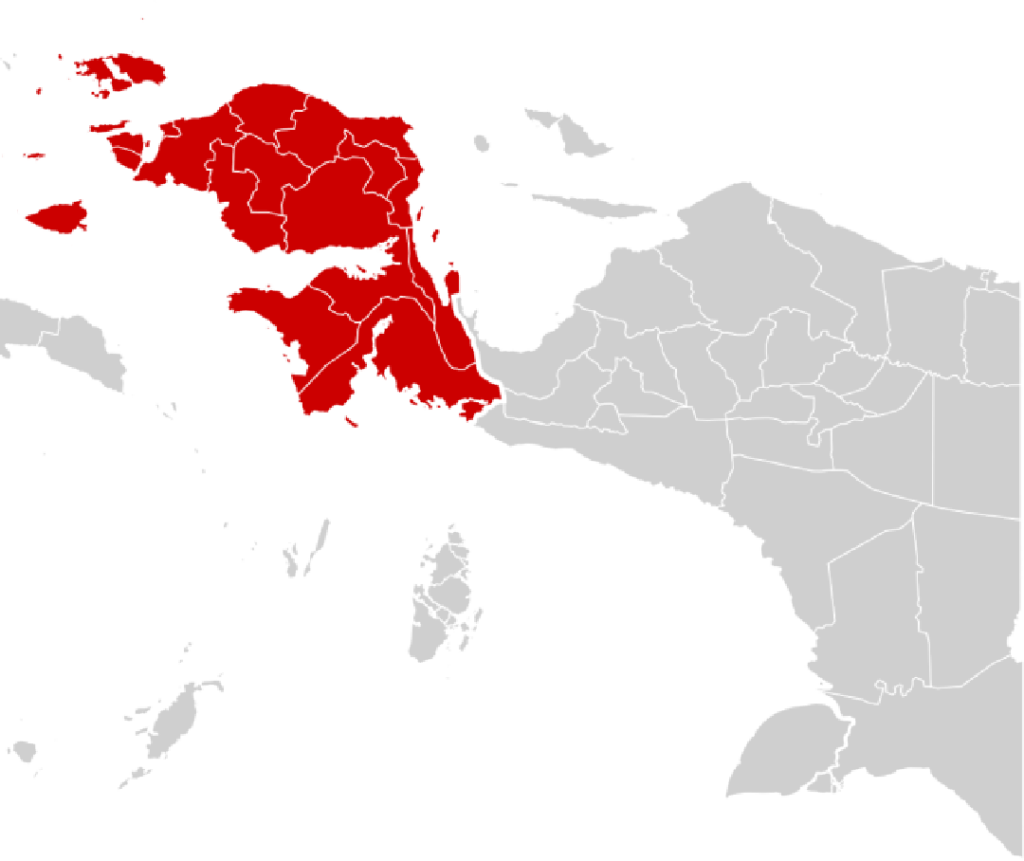
Papua occupies a unique position within Indonesia because of its vast territory, extraordinary biodiversity, cultural diversity, and strategic location in the Pacific region.
These characteristics also create development challenges that differ from those faced by many other provinces.
Mountainous terrain, dispersed settlements, limited transportation access, and varying levels of public service availability require development policies that are specifically adapted to local conditions.
According to KEPP Papua, accelerating development therefore requires an integrated framework rather than isolated sectoral programmes.
Officials emphasised that successful development depends on synchronising national policies with provincial implementation while strengthening collaboration among government institutions and community stakeholders.
The newly introduced framework seeks to improve this coordination through eight interconnected development platforms covering governance, social development, economic empowerment, infrastructure, environmental sustainability, and institutional capacity.
Rather than approaching each issue independently, the strategy encourages multiple sectors to work together towards common long-term objectives.
This integrated model is intended to improve efficiency while ensuring that development outcomes become more sustainable and inclusive.
Eight Strategic Platforms Guide Papua’s Transformation
According to KEPP Papua, the new framework is organised around eight strategic platforms designed to support long-term transformation throughout Papua.
Officials explained that these platforms function as complementary pillars rather than as separate programmes.
Each platform contributes to broader objectives of improving public welfare while strengthening institutional effectiveness.
The framework places strong emphasis on improving governance quality, accelerating economic development, expanding access to quality education and healthcare, strengthening human resource development, enhancing infrastructure connectivity, encouraging investment, protecting environmental sustainability, and promoting greater participation by Indigenous Papuan communities in development processes.
Rather than concentrating exclusively on economic indicators, the platforms seek to balance growth with improvements in social welfare, institutional capacity, environmental management, and public services.
Government representatives noted that sustainable development requires simultaneous progress across these interconnected sectors.
Consequently, implementation will involve cooperation among central ministries, provincial administrations, district governments, universities, customary institutions, community organisations, and development partners.
This collaborative approach reflects the understanding that Papua’s long-term development cannot rely upon government institutions alone but requires participation from multiple stakeholders.
Strengthening Collaboration Across Institutions
One of the defining characteristics of the new development framework is its emphasis on institutional collaboration.
Officials acknowledged that Papua’s development challenges often involve multiple sectors simultaneously.
For example, improving educational outcomes may also depend upon transportation infrastructure, healthcare services, digital connectivity, and community participation.
Similarly, economic development frequently requires coordination among investment agencies, local governments, infrastructure providers, financial institutions, and workforce development programmes.
KEPP Papua therefore seeks to strengthen coordination mechanisms so that development initiatives reinforce one another rather than operating independently.
The framework also encourages greater participation by customary institutions and Indigenous communities during planning and implementation.
Officials emphasised that incorporating local perspectives can improve programme effectiveness while ensuring that development initiatives remain responsive to community needs.
Universities and research institutions are likewise expected to contribute through policy analysis, innovation, and evidence-based recommendations supporting regional development.
This collaborative governance model reflects broader international trends emphasising cross-sector partnerships as essential components of sustainable development.
Human Development Remains a Central Priority
Beyond physical infrastructure, KEPP Papua places considerable emphasis on strengthening human capital.
Officials noted that long-term prosperity depends upon investments in education, healthcare, workforce skills, and institutional capacity alongside economic growth.
Improving educational quality, expanding healthcare access, supporting vocational training, and strengthening opportunities for young people are viewed as essential foundations for sustainable regional development.
These priorities complement Indonesia’s broader objective of creating more equitable development outcomes across all regions of the country.
For Papua, strengthening human capital also supports greater participation in emerging economic sectors while helping communities benefit from expanding investment opportunities.
Government representatives therefore view human development not merely as a social policy objective but as an important driver of future economic competitiveness.
Accelerating Inclusive Growth Across Papua
The eight development platforms introduced by KEPP Papua are intended to serve as an integrated roadmap for reducing regional disparities while ensuring that economic progress reaches communities across Papua’s diverse geographical landscape.
Government officials emphasised that accelerating development requires more than just increasing public investment. It also depends on strengthening coordination among ministries, provincial administrations, district governments, customary institutions, universities, and the private sector so that development programmes complement one another and produce measurable outcomes.
The framework therefore adopts a comprehensive approach that links infrastructure expansion with improvements in education, healthcare, food security, environmental sustainability, institutional governance, and economic empowerment.
According to KEPP Papua, this integrated model seeks to ensure that development is not measured solely through economic growth but also through improvements in human welfare, public service delivery, and community participation.
Officials explained that every platform has been designed to reinforce the others. Better transportation infrastructure, for example, improves access to schools, healthcare facilities, and markets. Stronger governance contributes to more effective implementation of development programmes, while investments in education and workforce development help prepare local communities to benefit from new economic opportunities.
This interconnected strategy reflects an understanding that Papua’s long-term development requires simultaneous progress across multiple sectors rather than isolated policy interventions.
Human Capital and Community Empowerment
One of the central themes presented by KEPP Papua is the importance of investing in people alongside physical infrastructure.
Government representatives stressed that sustainable development depends upon improving education, expanding access to quality healthcare, strengthening vocational training, and creating opportunities for young Papuans to participate in the province’s growing economy.
Human capital development is expected to become a key driver supporting Papua’s future competitiveness.
Officials also highlighted the importance of empowering Indigenous Papuan communities through greater participation in development planning and implementation.
Community involvement is viewed as essential for ensuring that public policies remain responsive to local priorities while strengthening trust between institutions and society.
Universities, customary leaders, community organisations, and local governments are expected to contribute knowledge and practical experience that can improve policy implementation.
This participatory approach reflects Indonesia’s broader effort to encourage development that is locally responsive while remaining aligned with national development priorities.
Strengthening Economic Transformation
Beyond public services, the eight development platforms also place considerable emphasis on creating a stronger and more diversified regional economy.
Officials explained that Papua possesses significant economic potential across agriculture, fisheries, forestry, tourism, downstream industries, and the creative economy.
Unlocking these opportunities requires improvements in infrastructure, logistics, investment certainty, financial inclusion, and workforce capacity.
KEPP Papua therefore encourages closer coordination between public institutions and private sector partners to create an environment that supports sustainable investment while expanding employment opportunities.
Small and medium-sized enterprises are also expected to play an important role within this strategy.
By strengthening entrepreneurship, improving access to markets, and supporting local value chains, policymakers aim to increase community participation in regional economic growth.
Officials noted that inclusive economic development is most effective when local businesses, farmers, fishers, cooperatives, and young entrepreneurs are able to benefit directly from expanding economic activity.
Looking Ahead
The introduction of the eight development platforms marks an important step in Indonesia’s continuing effort to accelerate development across Papua.
Implementation will require sustained cooperation among government institutions at every level together with active participation from communities, customary institutions, educational organisations, and the private sector.
Observers note that the success of the framework will ultimately depend on effective coordination, transparent governance, measurable performance indicators, and continuous evaluation of development outcomes.
As implementation progresses, policymakers are expected to monitor achievements across economic growth, education, healthcare, infrastructure, environmental sustainability, and community welfare.
Continued policy coordination will remain essential to ensuring that development initiatives deliver lasting benefits throughout Papua’s diverse regions.
Conclusion
Indonesia’s introduction of eight strategic Papua development platforms through KEPP Papua represents a comprehensive approach to accelerating development in one of the country’s most geographically diverse regions.
Rather than concentrating on infrastructure alone, the framework combines improvements in governance, public services, human capital, economic transformation, environmental sustainability, and community participation into a coordinated long-term strategy.
By encouraging stronger collaboration among central and regional governments, customary institutions, universities, civil society, and the private sector, the initiative seeks to promote development that is more inclusive, responsive, and sustainable.
As implementation moves forward, the eight platforms are expected to provide a structured roadmap supporting improved public services, stronger regional competitiveness, expanded economic opportunities, and enhanced welfare for communities across Papua.