
Along the vast coastline of Papua, where fishing has long defined daily life, a quiet but meaningful transformation is underway. For generations, coastal communities in Papua have depended on the sea for survival, yet many have remained economically vulnerable despite the abundance of marine resources surrounding them. Limited infrastructure, weak cold chain systems, and reliance on middlemen have often prevented fishermen from capturing the full value of their catch.
That reality is now being challenged through the development of the Kampung Nelayan Merah Putih, or Red and White Fishermen’s Village, a flagship coastal infrastructure project initiated by the Ministry of Marine Affairs and Fisheries. In Papua, the project is targeted for completion by the end of January 2026 and is expected to mark a turning point in how fishing communities participate in the broader economy.
The project is not simply about building facilities. It represents a policy shift that places fishermen at the center of development rather than at the margins.For those living along Papua’s coast, the Red and White Fishermen’s Village offers a vision: that a thriving economy can flourish right where people already make their living.
Transforming Subsistence into Economic Hubs
The idea behind the Red and White Fishermen’s Village is both simple and far-reaching. Rather than viewing fishing villages as just places where fish are caught, the government sees them as fully-fledged economic hubs. Each village is planned to blend fishing with processing, storage, sales, and community support.
In Papua, the project encompasses modern docks, cold storage, fish processing facilities, access to clean water, and shared spaces. These components are meant to tackle persistent problems in the fishing industry. Fishermen, in the past, often had to sell their catch right away, at low prices, because they had nowhere to store it.
Now that cold storage is operational, they have gained a strategic advantage, along with more time and clout.
Officials have painted the village as a central point, where fishing can have a positive impact on the local economy. Processing facilities provide jobs beyond the fishing industry, offering employment to women and young people. Better infrastructure also paves the way for training, new businesses, and cooperative ventures that were previously hard to maintain.
A National Vision with a Strong Papuan Focus
The Papua project is a key element of a larger national initiative to establish 100 Red and White Fishermen’s Villages throughout Indonesia. Papua, however, is especially important in this plan. Its waters are some of the most productive fishing areas in the nation, yet its coastal communities have often been neglected.
Focusing on Papua, the government hopes to level the playing field and make sure economic progress reaches the most remote areas. The fishermen’s village concept is designed to show that building infrastructure can directly boost people’s lives, provided it’s tailored to what they actually need.
This project also has a deeper meaning in Papua. The name Red and White, a nod to the national flag, highlights that coastal Papuan communities are a vital part of Indonesia’s maritime future, not just an afterthought.
Ministerial Oversight and a Demand for Results
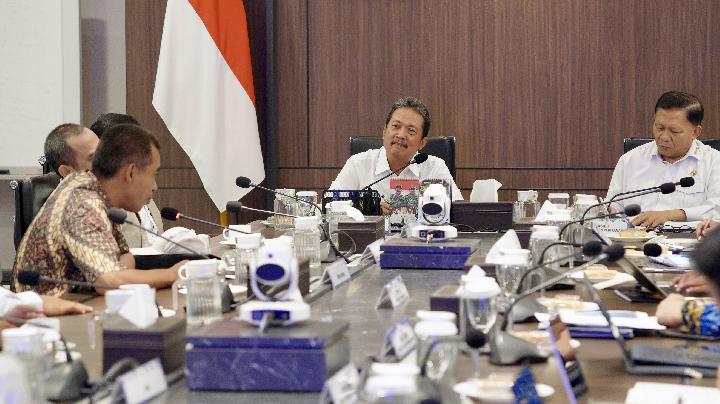
With the January 2026 deadline looming, the government is keeping a close eye on things. Sakti Wahyu Trenggono, the Minister of Marine Affairs and Fisheries, has been visiting project sites frequently, stressing the need for both quality and punctuality.
During one visit, the minister publicly called out contractors whose work fell short.
His point was unambiguous. Infrastructure designed to benefit fishermen deserves more than just standard construction practices; it demands careful and responsible execution.
This direct involvement has struck a chord with the local populace. Numerous fishermen interpret the minister’s visits as a signal that the project is receiving serious attention from the top. They find comfort in the robust oversight, believing it ensures the village’s completion as pledged and its proper operation.
Navigating Geographic and Logistical Hurdles
Constructing large-scale infrastructure in Papua is always a complex undertaking.
Construction in remote areas, with their rugged landscapes and capricious weather, presents its own set of hurdles. Getting materials to the site often means long hauls, and finding skilled workers can be a real headache.
Even so, the Red and White Fishermen’s Village is moving forward. Local authorities, contractors, and ministry officials have been working hand-in-hand to tackle problems as they come up. They’ve tweaked the construction timetable and added more oversight to keep things moving.
This experience underscores a key point. Building successfully in Papua demands both adaptability and tenacity. Projects need to be flexible, adjusting to the local situation instead of sticking to a strict schedule that doesn’t account for what’s actually happening.
Economic Transformation Beyond Fishing
Though fishing is still the heart of the village’s economy, its influence is poised to reach much further than just the boats and the nets. Local processing facilities mean fish can be cleaned, frozen, and packaged right there, keeping the added value that used to go elsewhere.
This change also affects how stable incomes are. When fishermen can process and store their catch, they’re less vulnerable to price swings and unfair buying practices. They can plan their sales more effectively and get better deals.
The village also creates opportunities for small and medium-sized businesses. Ice production, packaging services, transportation, and equipment maintenance are all potential sources of extra income.
Over time, these ancillary industries can reshape the local economy, making it more varied and robust.
Women and Youth: The New Economy’s Core
A key feature of the Red and White Fishermen’s Village is its inclusive approach. Women, who have always been vital in the informal processing and sale of fish, are poised to become central figures in the village’s new economic landscape.
With the right facilities, women can participate in hygienic processing, packaging, and marketing, all of which will meet higher standards. This opens doors to skill-building and entrepreneurship that were previously unavailable.
Young people, too, stand to gain. The presence of training programs and modern facilities could encourage youth to stay in coastal communities, rather than moving to cities in search of employment.
By fostering respectable employment opportunities within local communities, the initiative directly confronts a key factor contributing to rural population decline.
Sustainability and Marine Resource Management
Economic advancement in Papua’s coastal zones is inextricably linked to environmental stewardship. The marine ecosystems of the area are characterized by both their productivity and their vulnerability. Unsustainable fishing practices and waste disposal threaten long-term economic stability.
To mitigate these risks, the fishermen’s village model integrates sustainability protocols. Cold storage facilities diminish waste by maintaining the quality of the catch. Furthermore, training initiatives cultivate responsible fishing techniques and enhance understanding of marine conservation principles.
The aim, officials stress, isn’t to simply ramp up fishing, but to boost both efficiency and the returns. If communities can make more money from what they already catch, the temptation to overfish diminishes.
Voices from the Coast
For those who’ve weathered years of uncertainty, the fishermen’s village signifies a real change. Many say it’s the first time they’ve felt genuinely acknowledged by those in charge.
One fisherman recalled how he’d have to sell his haul right away, even at a loss, because he lacked storage. Now, with cold storage available, he expects to have more control over his earnings. Another community member pointed out the possibilities for cooperative management, where fishermen collaborate instead of competing.
These narratives highlight the human aspect of building infrastructure. For those living along the coast, the project’s worth isn’t just in the structures erected, but in the restoration of their dignity.
Looking Ahead
With construction approaching its conclusion, the focus shifts to the future. The project’s impact will truly begin when it’s finished, scheduled for January 2026.
The real challenge will be in the village’s management, the upkeep of its facilities, and the inclusivity of its governance. Cooperative approaches, transparent administration, and ongoing government backing will be vital for its long-term success.
National planners are using the Papua fishermen’s village as a model for upcoming projects.
The insights gained from this initiative will guide the establishment of comparable villages throughout Indonesia.
A Coastal Future Built on Local Resilience
The Red and White Fishermen’s Village project in Papua embodies a significant shift in development strategy. It acknowledges that sustainable economic advancement is most readily achieved by enhancing existing ways of life, not by supplanting them.
By supporting fishermen, the government is backing communities that have thrived for generations on the ocean’s bounty. The project presents a development model that honors local expertise while integrating contemporary resources.
As Papua’s fishermen gear up for this new phase, there’s a tempered hope that the village will fulfill its potential. Should it succeed, it will serve as a model for how focused infrastructure, robust oversight, and community-driven planning can improve the lives of those living along Indonesia’s coast.

