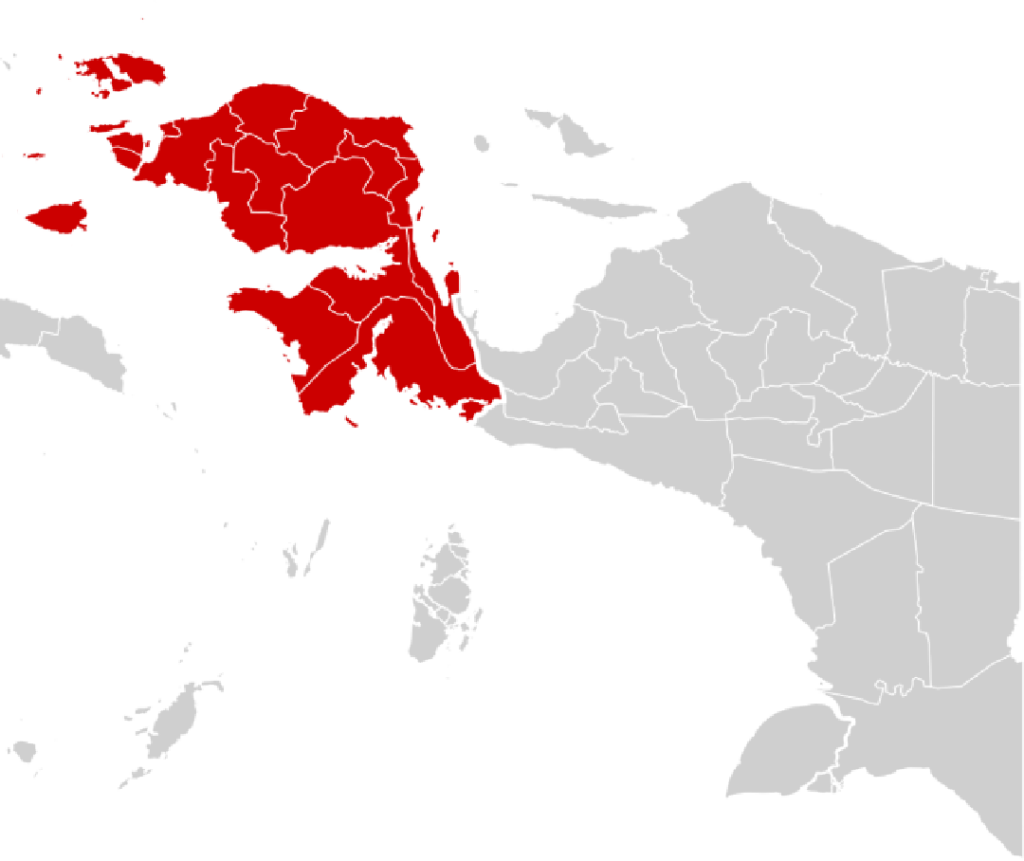
Papua occupies a unique place in Indonesia’s national imagination. It is a land of dense rainforests, rich biodiversity, and indigenous cultures that have survived for generations alongside nature. At the same time, Papua is often portrayed as Indonesia’s last economic frontier, a region believed to hold untapped agricultural and plantation potential. Nowhere is this tension more visible than in the debate over palm oil.
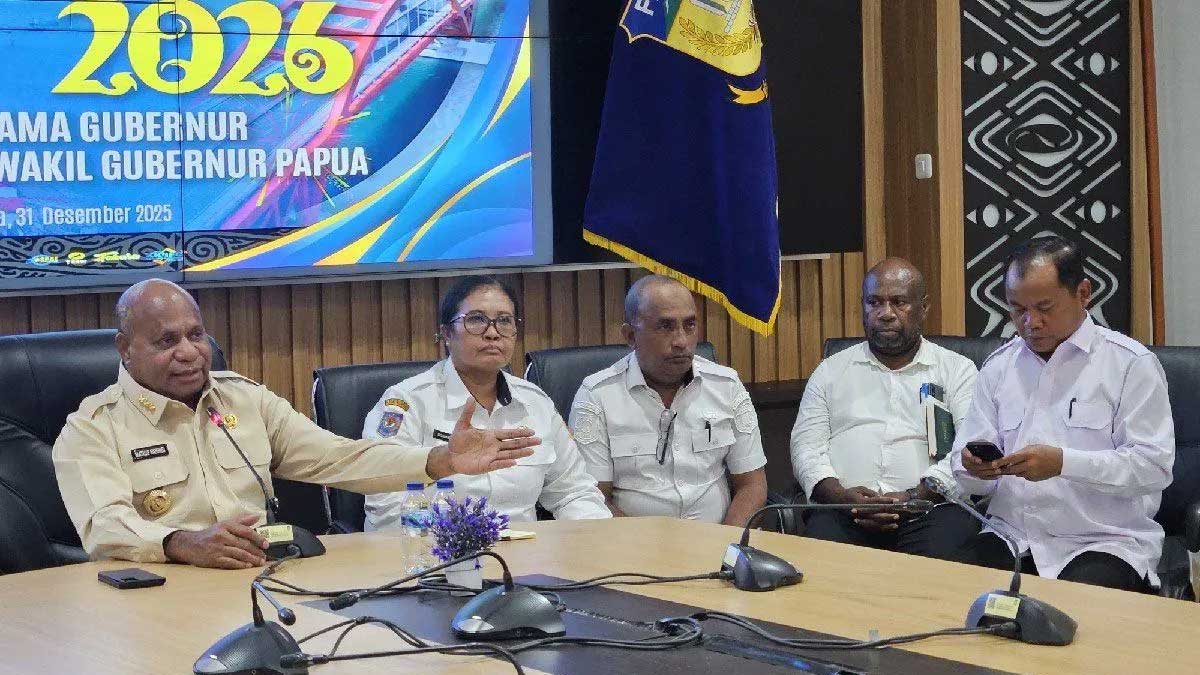
Over the past year, concerns about deforestation in Papua have intensified, fueled by reports suggesting large scale palm oil expansion was imminent. Against this backdrop, Papua Governor Mathius Fakhiri has taken a firm and public position on how palm oil should be governed in the province. Through a combination of regulatory tightening, permit reviews, and public clarification, his administration is attempting to reshape the narrative surrounding palm oil in Papua and to demonstrate that development does not have to come at the cost of forests.
Clarifying Misconceptions About Palm Oil Expansion
One of the first challenges faced by the Papua provincial government was correcting what Governor Fakhiri described as misleading information. Claims circulated widely that Papua was being prepared as a new center for palm oil expansion, allegedly following instructions from the central government. These claims quickly raised alarm among environmental groups, indigenous communities, and international observers.
Governor Fakhiri responded by stating unequivocally that there was no directive from the president to open new palm oil plantations in Papua. He emphasized that the provincial government had not issued any new permits for land clearing related to palm oil and had no intention of doing so. According to him, the issue at hand was not expansion, but governance.
This clarification was important because it reframed the discussion. Instead of focusing on future plantations, the government directed attention toward existing permits, many of which had been granted years earlier under different administrations. By doing so, the governor positioned his leadership as one that prioritizes responsibility over rhetoric.
A Firm Policy of No New Palm Oil Permits
At the heart of Papua’s palm oil policy is a strict stance against issuing new plantation licenses. Governor Fakhiri has repeatedly stated that his administration will not approve new permits for opening palm oil land. This policy is intended to prevent further pressure on Papua’s forests, which remain among the largest intact tropical forest areas in Indonesia.
The absence of new permits also reflects a broader policy shift. Rather than pursuing growth through land expansion, the provincial government has chosen to focus on evaluating and managing what already exists. This includes reviewing the legal status of current concessions, ensuring compliance with environmental regulations, and addressing unresolved land conflicts.
By closing the door to new permits, the government sends a clear signal that Papua is not open for unchecked exploitation. Development, according to the governor, must be deliberate, controlled, and aligned with long term environmental sustainability.
Revoking Licenses and Enforcing Accountability
Beyond halting new permits, the Papua government has taken concrete action against plantation companies that fail to meet their obligations. Governor Fakhiri confirmed that several palm oil licenses have been revoked after companies were found to be noncompliant or inactive.
These problematic permits often belonged to companies that had secured land concessions but failed to develop them responsibly. In some cases, land was left idle for years, creating uncertainty for local communities and opening the door to speculative practices. In other cases, companies did not fulfill environmental requirements or community engagement commitments.
License revocation represents a significant policy move. It demonstrates that permits are not permanent entitlements, but conditional rights that depend on responsible behavior. The governor has stressed that companies unwilling or unable to meet legal and social standards should not operate in Papua.
Keeping Economic Value Within Papua
Another central element of Papua’s palm oil governance is the requirement for local processing. Under this policy, palm oil companies operating in Papua are obligated to build processing facilities within the province. Crude palm oil cannot simply be transported out of Papua without undergoing local processing.
This requirement addresses a long standing concern that Papua’s natural resources are extracted without delivering meaningful economic benefits to local communities. By mandating the construction of processing plants, the government aims to create jobs, stimulate local industries, and increase regional revenue.
Governor Fakhiri has been clear that Papua should not function merely as a raw material supplier. Instead, economic activity must generate value locally and contribute to broader development goals, including infrastructure, education, and community welfare.
Forest Protection as a Core Commitment
Environmental protection is not treated as a secondary consideration in Papua’s palm oil policy. It is presented as a foundational principle. Papua’s forests play a crucial role in regulating climate, preserving biodiversity, and sustaining indigenous livelihoods. Governor Fakhiri has repeatedly stated that these forests are not negotiable assets.
The decision to stop new permits and focus on restructuring existing plantations is closely tied to this commitment. By limiting land conversion and strengthening oversight, the provincial government seeks to minimize environmental damage while maintaining regulatory control.
The governor has also argued that deforestation is not an inevitable outcome of palm oil development. Instead, it is the result of weak governance and poor enforcement. From this perspective, the solution lies in stronger institutions, clearer rules, and consistent supervision.
Respecting Indigenous Land and Community Rights
Palm oil development in Papua cannot be separated from the issue of indigenous land rights. Much of the land targeted for plantations overlaps with customary territories that hold cultural, spiritual, and economic significance for indigenous Papuans.
Governor Fakhiri has acknowledged that past plantation practices often failed to adequately respect these rights. As part of the permit review process, the provincial government is paying closer attention to how companies engage with local communities. This includes examining consent processes, compensation arrangements, and community development commitments.
The governor has emphasized that development should improve the welfare of indigenous Papuans, not displace or marginalize them. By tightening oversight and revoking problematic permits, the government aims to reduce social conflict and promote more equitable development outcomes.
Responding to Deforestation Allegations
International criticism of palm oil often places Papua in the spotlight as a potential deforestation hotspot. While acknowledging the importance of environmental vigilance, Governor Fakhiri has pushed back against what he sees as overly simplistic narratives.
He points out that Papua still retains a high level of forest cover compared to other regions in Indonesia. The current policy of no new permits, combined with license revocation and stricter oversight, is presented as evidence that the provincial government is actively protecting its forests.
Rather than denying the risks, the government seeks to demonstrate that it is managing them responsibly. This approach reflects an effort to balance transparency with assertiveness in defending Papua’s environmental record.
Exploring Alternative Agricultural Paths
In addition to regulating palm oil, the Papua government has expressed interest in diversifying agricultural development. Governor Fakhiri has mentioned crops such as cocoa as potential alternatives that could support economic growth without extensive land clearing.
These alternatives are seen as more compatible with forest conservation and indigenous land use patterns. By encouraging diversification, the government aims to reduce reliance on palm oil while creating new opportunities for local farmers.
This strategy reflects a broader vision of development that values sustainability over rapid expansion. It also recognizes that Papua’s ecological conditions and social context may be better suited to diverse agricultural systems rather than large scale monoculture plantations.
Strengthening Governance and Oversight
Effective palm oil management requires strong governance at both provincial and district levels. Governor Fakhiri has emphasized the need for coordination between local governments, national agencies, and regulatory bodies.
This includes improving permit data transparency, strengthening monitoring mechanisms, and ensuring that environmental regulations are consistently enforced. Better governance is also essential for building public trust and preventing illegal or unregulated activities.
By focusing on institutional strength, the Papua government seeks to ensure that palm oil governance is not dependent on individual leadership alone, but embedded in durable systems.
Conclusion
Papua’s approach to palm oil under Governor Mathius Fakhiri represents a clear departure from expansion driven development models. The emphasis is no longer on opening new land, but on controlling, restructuring, and regulating what already exists.
Through a policy of no new permits, revocation of problematic licenses, mandatory local processing, and strong environmental oversight, the provincial government is attempting to balance economic development with forest protection. This approach is also intended to address social justice concerns by ensuring that indigenous communities benefit from development rather than bearing its costs.
In the broader debate over palm oil and deforestation, Papua is positioning itself as a case study in governance driven sustainability. While challenges remain, the policies implemented under Governor Fakhiri signal a deliberate effort to protect Papua’s forests while redefining what responsible development looks like in one of Indonesia’s most important regions.