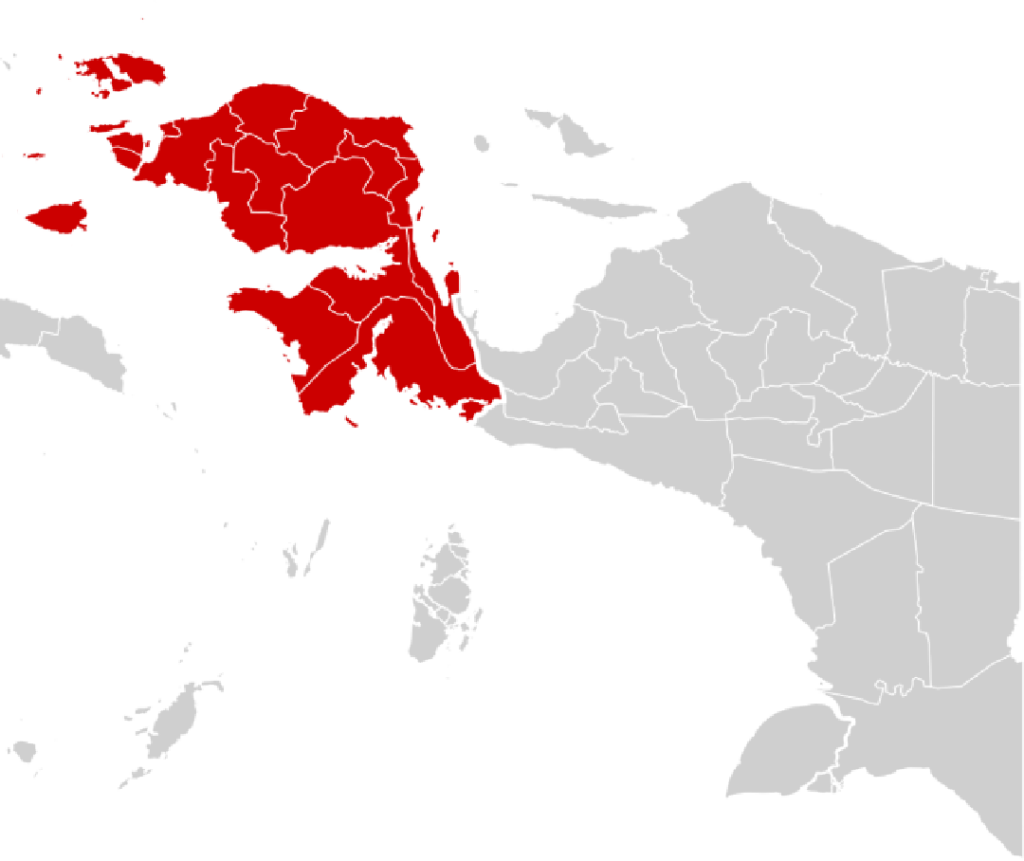
On the evening of Saturday, 29 November 2025, a gruesome attack shook a remote wood-gathering camp in the highlands of Papua—a place where ordinary Indonesians had long ventured in search of agarwood (“gaharu”), hoping to earn a living while eking out a modest existence. The camp, located in Camp Kampung Bor, District Sumo, Yahukimo Regency, was home to a small family from Asmat. That night, two men—later identified as Sugianto (43) and Hardiyanto (39)—were killed, and two others narrowly escaped with their lives. What appeared to be another violent episode in a long history of unrest in Papua has now triggered an urgent investigation by security forces.
According to the official statement by the head of Satgas Operasi Damai Cartenz (Peace Operation Cartenz Task Force), the victims and survivors belonged to one family domiciled in Agats, Asmat Regency. For nearly five years, they had lived and worked in the area, harvesting gaharu wood and running a small supply kiosk. The two who died succumbed to wounds caused by sharp weapons wielded by a group of unknown assailants (often referred to as OTK—“Orang Tak Dikenal” / unknown persons). The two survivors—the wife of one victim and a relative—managed to flee and alert relatives via phone.
By 21:30 WIT, those survivors had reportedly arranged for evacuation: the victims’ bodies were transported by fiber boat from Kampung Bor to Agats, Asmat—a journey estimated at seven hours. This tragic incident has reignited fears among communities living or working in Papua’s remote highlands: even those simply gathering wood or attempting honest livelihoods are not safe from sudden, deadly violence.
The Investigation Begins: Who Are the Perpetrators?
Within hours of confirmation of the killings, Satgas Damai Cartenz and the district police (Polres Yahukimo) reportedly deployed personnel to the scene. Their efforts include witness interviews, forensic examination of the camp, and gathering any available evidence that might point toward the identity or motive of the attackers. “We are committed to unraveling this case and ensuring justice,” said the task force commander, stressing the urgency and seriousness of the probe.
Though authorities have not yet publicly named suspects, early official statements attributed the attack to “unknown perpetrators” and suggested a possible link to sympathizers of armed groups—commonly referred to as KKB (Kelompok Kriminal Bersenjata / Armed Criminal Group), often associated with TPNPB-OPM (Tentara Nasional Pembebasan Papua Barat – Organisasi Papua Merdeka / West Papua National Liberation Army-Free Papua Organization).
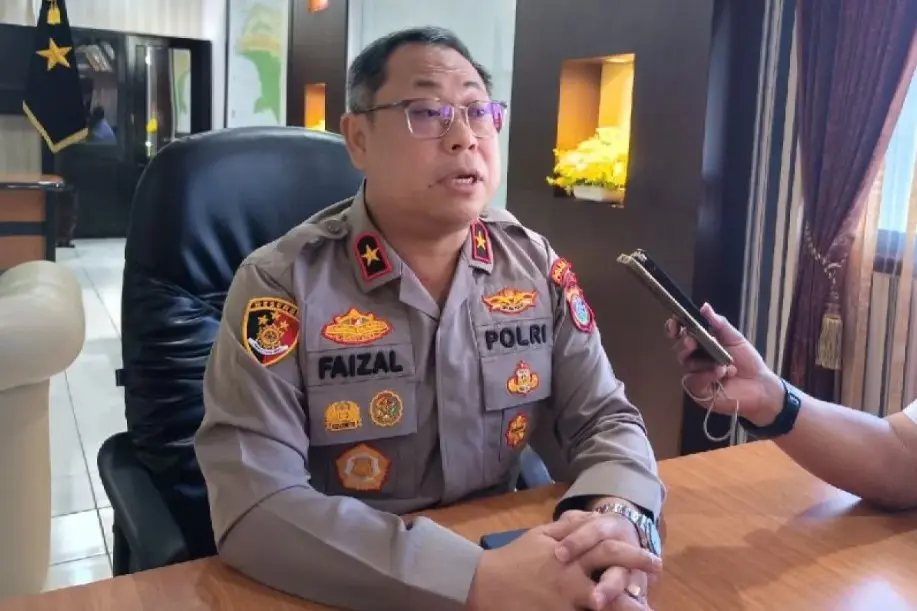
Brigadier General Faizal Ramadhani, head of Satgas Damai Cartenz, emphasized increased security presence in vulnerable highland zones and pledged that law enforcement will intensify patrols, monitor population movement routes, and collaborate with Polres Yahukimo to restore public confidence and protect civilians.
Civilians as Casualties: A Pattern of Violence
The tragic killing in Yahukimo is not an isolated event. Over the years, the highlands of Papua have seen periodic violent incidents—including targeted attacks against gold miners, wood collectors, teachers, health workers, and ordinary villagers—often in remote, hard-to-reach areas.
These incidents reflect a wider reality: in the fraught context of the Papua conflict, civilians frequently find themselves caught between militant groups on one side and security forces on the other—or become targets simply for being in the wrong place at the wrong time. According to human rights groups and regional monitors, this pattern undermines any claims that violence is strictly between combatants.
In many cases, victims are branded as spies or “intelligence agents,” a claim often made by the armed groups themselves to justify their actions. Yet investigations by entities such as Satgas Damai Cartenz—and when available, independent observers—sometimes conclude that victims were ordinary civilians without any ties to security apparatus. The repeated failure to provide clear evidence of combatant status raises deep concerns about accountability, justice, and the human cost of prolonged conflict.
Impact on Families, Livelihoods, and Local Communities
The immediate consequences of this attack ripple far beyond the tragic loss of two lives. The family—uprooted and struck by sudden grief—must now cope with trauma, loss of breadwinners, and fear. Survivors, including children if there are any, may lose not only their loved ones but also their means of income. In a region where formal social welfare and public services are limited, such losses can push families into deeper precarity.
Beyond individual families, such incidents contribute to a climate of fear and uncertainty among communities carrying out subsistence or semi-commercial activities like gaharu wood collection, small-scale mining, or forest gathering. The once-routine decision to seek wood in the forest now becomes a decision to face risk—not from nature, but from human violence. Such insecurity discourages economic activity, disrupts local economies, and deepens mistrust.
Moreover, fear erodes social cohesion. Communities may become wary of strangers, avoid cooperation, limit mobility, or withdraw from communal endeavors—all of which hinder development, reduce economic opportunity, and entrench marginalization. In Papua’s remote highlands, where infrastructure and institutional presence are already weak, this contributes to a vicious cycle of poverty, isolation, and vulnerability.
The Role of Satgas Damai Cartenz: Bridging Security and Civil Protection
The response by Satgas Damai Cartenz is emblematic of a broader Indonesian government strategy to manage conflict in Papua. Originally launched under the name Operation Cartenz’s Peace (Operasi Damai Cartenz), the joint operation brings together the national police (Polri) and the armed forces (TNI), with the declared goal of reducing armed separatist activity, protecting civilians, and restoring stability in conflict-affected areas.
In this recent incident, the task force’s prompt mobilization underscores a shift toward prioritizing civilian protection and criminal accountability—rather than framing every violent event as part of a “combat operation.” By sending investigators, securing the area, and promising a thorough probe, authorities aim to demonstrate that these are criminal acts, not acts of war, and that perpetrators will be caught.
Furthermore, security forces have signaled plans to ramp up patrols, enhance monitoring of known migration and forest-gathering routes, and maintain a visible presence to deter similar attacks. That said, implementing security in vast, remote, and rugged terrain—where many Papuans live—remains a major logistical challenge.
A Broader Pattern: Civilians, Resource Extraction, and Armed Groups
Why are wood collectors and miners repeatedly becoming victims? Gaharu wood, gold, and other forest resources have long attracted people from all over Indonesia, especially from poorer regions, seeking livelihood opportunities. Collectors often set up camps deep in the forest, far from oversight, far from state protection. These remote zones overlap with territories claimed by armed groups, areas where control is contested, and where law enforcement presence is sporadic at best.
Within that environment, civilians become vulnerable—not because they are combatants, but because they trespass (willingly or not) into a contested zone. For armed groups, such civilians might be deemed intruders or suspected collaborators, often without evidence. The result: a recurring cycle of violence against people whose only “crime” was to work or survive.
This dynamic reflects a recurring criticism of the Papua conflict: that it is not just a separatist war but also a conflict over resources, livelihoods, and territorial control—with civilians as the perennial victims. Until broader structural issues—land rights, economic inequality, resource governance, social programs, and security sector reform—are addressed, these tragedies may continue.
What This Means for Papua—and for Indonesia
The killing of two gaharu collectors in Yahukimo is more than a tragic headline. It is a stark reminder of the fragility of life for many Indonesians living in Papua’s interior: far from infrastructure, far from stability, and often far from justice.
For the Indonesian government and security forces, it is a challenge of legitimacy and duty: to protect civilians, to treat criminal acts as criminal—not as collateral—and to ensure that law and human rights are upheld even in conflict zones. The role of Satgas Damai Cartenz, when executed transparently and effectively, can help build trust, reduce violence, and protect communities.
For civil society, human rights organizations, and media, the incident underscores the importance of monitoring, documentation, and independent scrutiny. In conflict areas, record-keeping is often patchy, evidence disappears, and victims’ voices are marginalized. Ensuring that victims are treated fairly, that families receive support, and that perpetrators are held accountable—these are essential steps toward justice and peace.
For ordinary people across Papua—particularly those living in or moving into resource-rich highlands—the message is painfully clear: nothing about survival is guaranteed. Communities will need support—from government, NGOs, and local institutions—if they are to rebuild livelihoods and live without fear.
Conclusion
The deaths of Sugianto and Hardiyanto in Yahukimo are not just statistics in a conflict zone. They are human tragedies—families shattered, hopes cut short, lives lost in dark forests far from home. Their story reflects a broader pattern across Papua, where civilians become collateral, or worse, deliberate targets in a struggle not of their making.
The response by Satgas Damai Cartenz and Polres Yahukimo—an intensive investigation, public statements, and increased patrols—offers a glimmer of hope. Yet, for hope to become meaningful, justice must follow: identities of perpetrators must be clearly established and transparently prosecuted, and families must receive not only words but support.
More fundamentally, the root causes of violence—conflict over land, resources, autonomy, and power—must be addressed. Without structural reforms and inclusive socio-economic development, such tragedies will almost certainly recur.
In the forests and hills of Yahukimo, two men died because they sought a livelihood. Their deaths must not be forgotten. Their names—Sugianto and Hardiyanto—should be a solemn reminder that behind headlines are human lives; behind every “incident” is a family, a community, a future cut short.
Indonesia—and Papua—owe them justice.