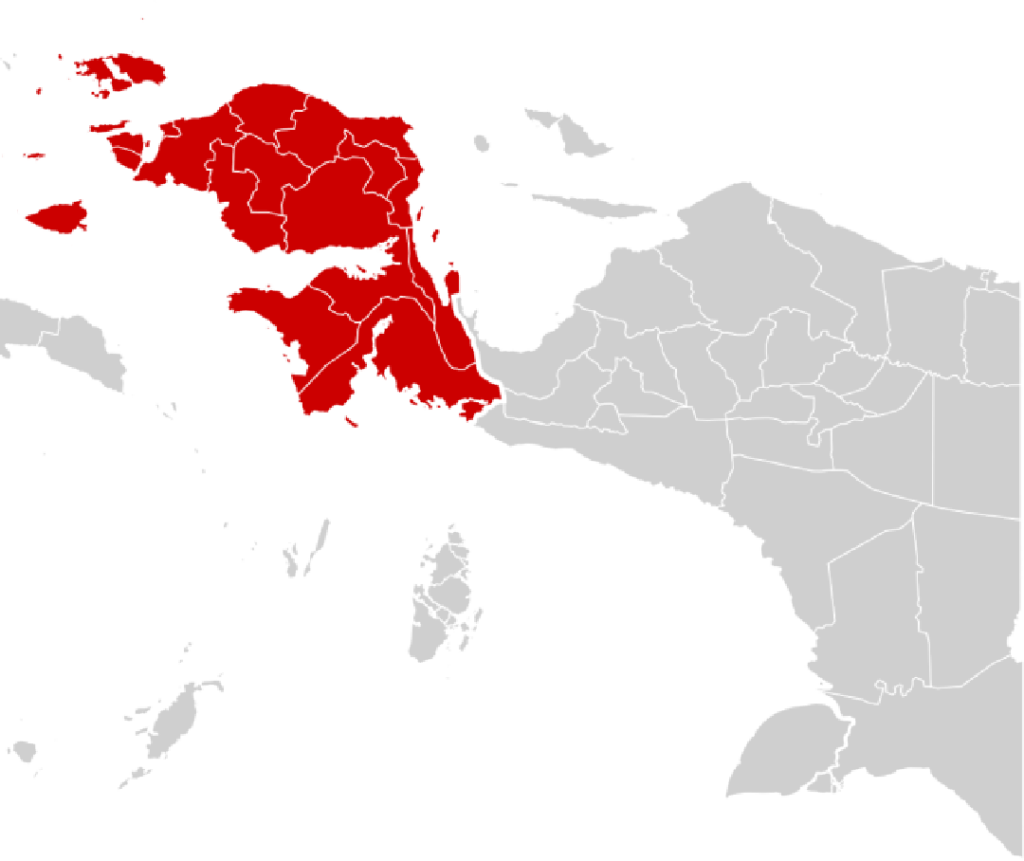
People in the easternmost part of Indonesia still have a hard time getting to healthcare. This is because of deep woods, hard-to-reach islands, and mountains that make life difficult. In many parts of Papua, people have to travel for hours or even days to get to hospitals that can give them modern medical care. The government of Papua Barat Daya is using this fact as an excuse to start a big program to improve healthcare by spending money on education.
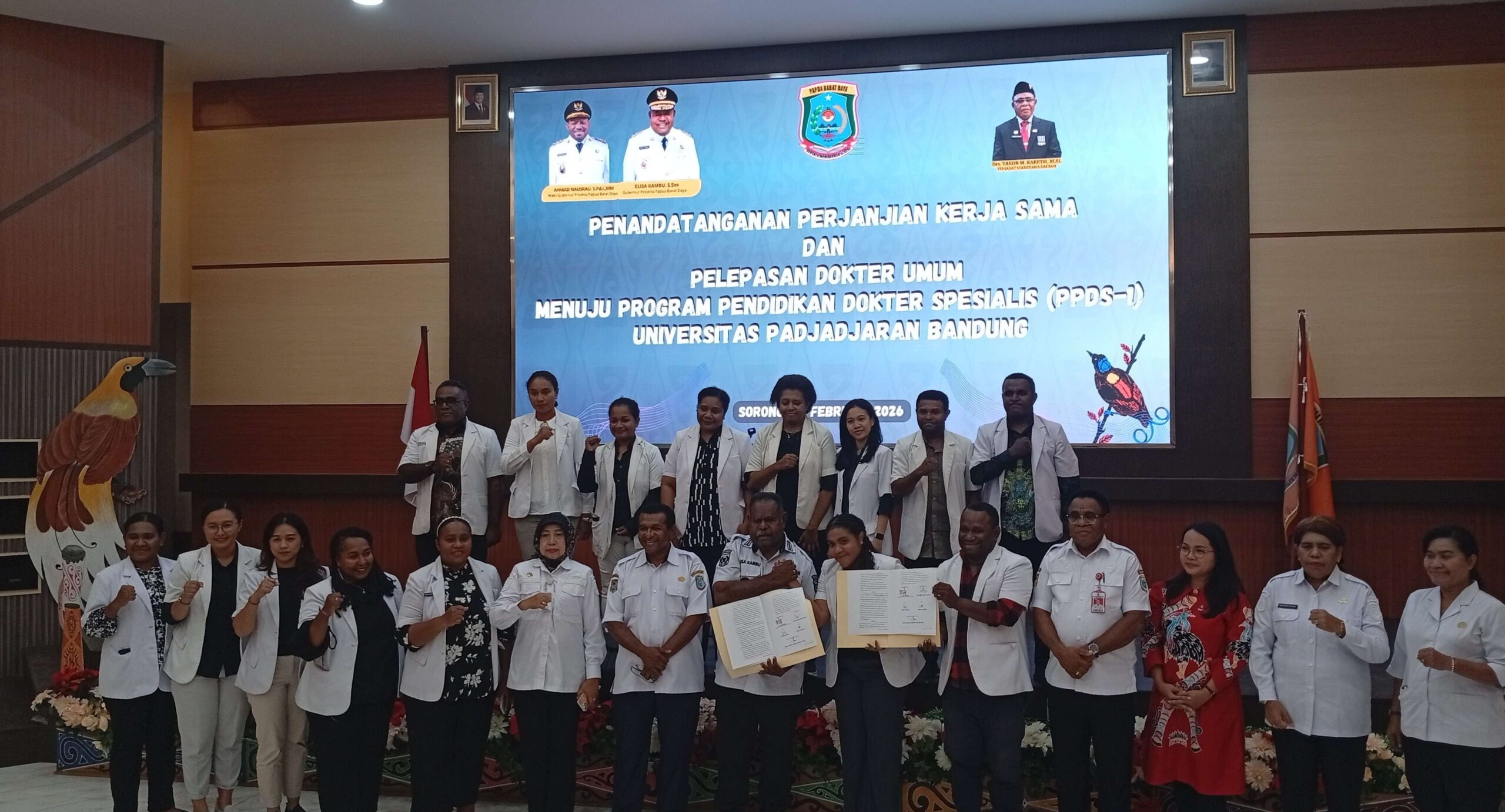
In early 2026, the Papua Barat Daya (Southwest Papua) Provincial Government started a big scholarship program worth Rp 6 billion to pay for the specialized training of 28 doctors. The program sends young Papuan doctors to some of Indonesia’s best medical schools, like Universitas Padjadjaran (Unpad), Universitas Gadjah Mada (UGM), Universitas Hasanuddin (Unhas), and Universitas Sam Ratulangi (Unsrat). The project is a planned step to make healthcare better and help the people who work in it learn new skills in one of Indonesia’s most underserved areas.
A Place in the World with Health Issues
The newest province in Indonesia, Papua Barat Daya, was officially created in 2022. Its healthcare system and specialty medical services are not working well. Because there aren’t enough specialized doctors in many areas’ hospitals, patients have to go to towns far away, like Makassar, Manado, or even Jakarta, to get care.
These problems with geography and logistics often cause late diagnoses, higher healthcare costs, and deaths that could have been avoided. Provincial leaders know that building more hospitals won’t solve these problems. Without skilled specialists, healthcare facilities can’t provide modern medical care.
Elisa Kambu, the governor, said that the scholarship program is a long-term plan to improve healthcare. Provincial officials said that the best long-term solution to the lack of specialist doctors in Papua Barat Daya is to send local doctors to get expert training.
Investing in Education to Improve Healthcare
The Rp 6 billion scholarship program will pay for the tuition, academic support, and living costs of 28 doctors who will be trained as specialists through Indonesia’s Specialist Doctor Education Program (PPDS). The curriculum focuses on medical fields that are important for meeting the region’s healthcare needs, such as internal medicine, surgery, obstetrics and gynecology, pediatrics, anesthesia, and other specialties.
Sixteen of the selected doctors will work at Unpad in Bandung, which is one of the best medical schools in Indonesia. Some people will go to UGM in Yogyakarta, Unhas in Makassar, and Unsrat in Manado, all of which are known for training great doctors.
Officials from the province said that the selection process put a lot of weight on doctors who had a lot of academic potential and wanted to go back to Papua Barat Daya to help their communities after they graduated.
The People Who Run the Scholarship Program
The government chose each doctor for the program based on a very personal story. A lot of them grew up in remote areas of Papua where it was hard to get medical help. When they were kids, some people had trouble getting medical care.
For these doctors, the scholarship is more than just a way to get ahead in their jobs. They can help their communities with this. A lot of the people who got scholarships have said they will go back to Papua Barat Daya after they finish their specialist training.
One doctor who worked for Unpad said that when she was a child, her family had trouble getting good medical care. She said that the scholarship gave her hope that she could help keep other people from going through the same things.
Her story is an example of a larger problem in society. Having local expert doctors around can help patients trust their doctors more, make it easier for people from different cultures to talk to each other about health care, and improve the overall results of therapy.
The Strategic Role of Leading Universities
The government’s choice of colleges for the scholarship program shows that they want to make sure that medical education is of high quality. Every school has its own special knowledge and skills that it can share with students who want to become experts in a certain field.
Universitas Padjadjaran is known for its cutting-edge medical research and a wide range of specialist training programs. Universitas Gadjah Mada is one of the oldest and most respected schools in Indonesia. It is known for having a good reputation in healthcare and public health policy.
Universitas Hasanuddin, which is in Makassar, has a lot of experience training doctors who work in eastern Indonesia. On the other hand, Universitas Sam Ratulangi in Manado has good clinical training that is helpful for health issues in remote and island areas.
The government of Papua Barat Daya wants to give doctors a lot of different kinds of medical training by sending scholarship winners to other schools. This will also help doctors build professional networks that could lead to better healthcare in the area in the future.
Addressing Specialist Doctor Shortages
Indonesia has had trouble for a long time with having too few medical specialists in some areas, especially in the eastern provinces. Papua and West Papua have always had some of the lowest numbers of specialists per person in the country.
Healthcare experts say that giving local doctors scholarships is one of the best ways to solve this problem. Doctors from Papua are more likely to go back to the area and stay there after finishing their studies than doctors from other parts of Indonesia.
Also, provincial health officials have said that scholarship winners must work at hospitals in Papua Barat Daya when they finish school. This makes sure that public money goes straight to making healthcare easier to get.
Broader Impact on Human Resource Development
Papua Barat Daya’s scholarship program is just one part of a larger plan to make its people better, not just in healthcare. The provincial government believes that education is the key to growth in the region.
The government wants to encourage more professional education so that people can rely less on professionals from outside the area. This way of doing things fits with Indonesia’s Special Autonomy policy for Papua, which says that education, healthcare, and social welfare should be the top priorities when it comes to investment.
Leaders in the provinces believe that improving human capital will lead to faster economic growth, better public services, and a more stable social environment.
Strengthening Healthcare Infrastructure and Services
It is expected that specialist doctors will change how healthcare works in Papua Barat Daya. Hospitals with skilled specialists can perform difficult surgeries, treat difficult diseases, and give mothers and children specialized care.
Better access to healthcare is especially important for lowering the rates of complications from chronic diseases and deaths of mothers and newborns, which are still big public health problems in Papua.
Officials also think that specialist doctors will help train junior medical staff, which will have a positive effect on healthcare capacity across the province.
Community Support and Public Response
People in the area have liked the scholarship program. A lot of people in the area think that the program shows that the government is serious about improving healthcare.
Community leaders are hopeful that the return of specialists who have been trained in the area will mean that fewer patients will have to go outside the province for care. They also believe that the program encourages young Papuans to get medical training and work in the field.
Schools in Papua Barat Daya have begun to teach students about jobs in healthcare and how the government will help people who want to help their communities.
Challenges and Long-Term Vision
Officials are very hopeful, but they know that the scholarship program is only one step toward fixing the differences in healthcare. We still need to find solutions to problems like building new hospitals, upgrading medical equipment, and making healthcare management systems stronger.
Officials in the provinces have said that future programs may give more scholarships to nurses, pharmacists, and public health experts. A full healthcare workforce is needed to make sure that medical services are available for a long time.
The government also wants to work more closely with international health groups and national ministries to make training better and make it easier to share technologies.
A Plan to Make Healthcare Better in the Area
Experts say that Papua Barat Daya’s scholarship program could be a good model for other remote areas with similar health care issues. Investing in local people will give you long-term benefits that building infrastructure alone won’t.
Putting education first is the best way for the province to fix the main cause of health care inequality. When doctors in a community get specialized training, they not only learn about medicine, but they also learn how to provide healthcare services that are right for their culture.
A Hopeful Future for Papua’s Healthcare
The scholarship program gives a lot of people in Papua Barat Daya hope. It means that in the future, people will be able to get high-quality medical care close to home. Patients won’t have to travel far and spend a lot of money to get care. Local doctors will also be in charge of making changes to how healthcare works.
The 28 winners of the scholarships are beginning their specialist training. They have the hopes of their communities and the goal of making Papua Barat Daya healthier in mind. Not only is their education a personal success, but it’s also a way for everyone in the area to invest in its future.
Conclusion
The Papua Barat Daya Provincial Government’s Rp 6 billion scholarship program shows that they really want to improve healthcare and help people grow. The government is paying for specialist medical education at the best Indonesian universities to help with serious healthcare shortages. This gives doctors in the area the tools they need to help.
Papua Barat Daya is Indonesia’s newest province. The province is focused on education, healthcare, and community empowerment as part of its forward-looking development strategy. This scholarship program is one example of this. How well these 28 future specialists do could change how people get and how good healthcare is for a long time.