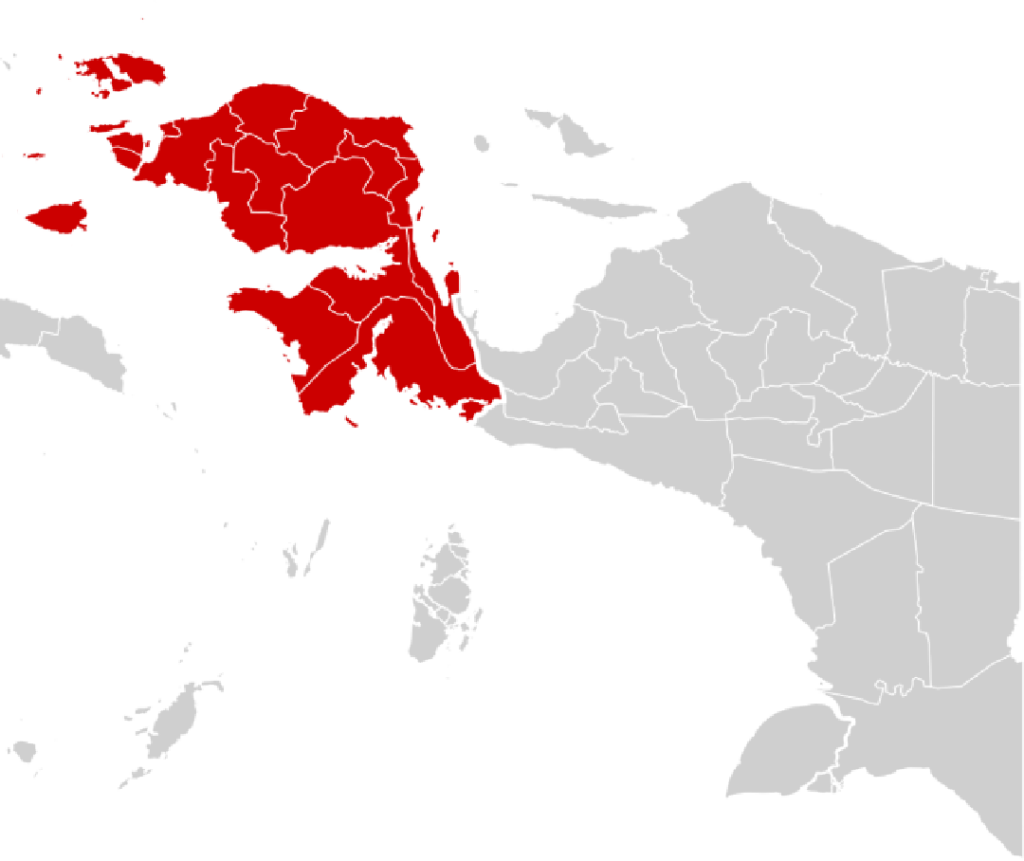
Indonesia has entered a pivotal new chapter in its governance of the Papua region with the launch of a landmark initiative: a comprehensive census of Orang Asli Papua (OAP) in the Papua Pegunungan (Papua Highlands), targeted for completion by 2027. More than an administrative exercise, this census represents a decisive effort to solidify the rights, identity, and welfare of Indigenous Papuans within the broader fabric of Indonesian citizenship. Supported by the Ministry of Home Affairs (Kemendagri), provincial governments, and community leaders, this initiative signals the maturity of Indonesia’s long-term commitment to accurate population data, inclusive development, and respectful recognition of Indigenous rights.
The Papua Pegunungan—comprising newly formed provinces with vast mountainous terrains, remote valleys, and scattered traditional communities—has historically faced challenges in demography, infrastructure, and government outreach. With distances measured in days of trekking rather than hours of driving, access and documentation have always required extraordinary effort. As Indonesia accelerates equitable development across its eastern territories, accurate population data is becoming essential to ensure that state services, welfare programs, and economic interventions reach the people who need them most. The Indigenous census therefore stands as one of Indonesia’s most strategic governance innovations.
This article examines how the census is being implemented, its political and social significance, and the broad opportunities it opens for Indigenous Papuans—particularly in terms of recognition, socio-economic justice, and long-term regional development.
A Strategic Government Initiative: Why Accurate Indigenous Data Matters
For decades, population data in the Papuan highlands has been incomplete or inconsistent due to geographical constraints and limited administrative infrastructure. Many Indigenous Papuans live in remote high-altitude villages, deep valleys, and river basins, where government services had historically been difficult to extend. As a result, demographic figures often relied on estimates rather than direct enumeration.
Kemendagri’s targeted census aims to eliminate this gap by documenting every Indigenous Papuan in the region—an ambitious undertaking, but one that reflects Indonesia’s seriousness in strengthening governance and accountability. National officials emphasize that accurate data is the backbone of any effective public policy, from healthcare budgets to educational support and poverty alleviation.
The census will gather detailed demographic information, including household composition, linguistic background, traditional affiliations, geographical location, and access to basic services. Unlike general population surveys, this initiative includes a culturally sensitive approach, allowing Indigenous communities to self-identify in ways that respect their traditions and customary structures.
This strategy ensures that future development policies are based on genuine needs rather than assumptions, enabling a more precise distribution of welfare programs, housing assistance, health services, and economic empowerment policies.
Strengthening Governance in the Papua Pegunungan: A New Era of Administrative Precision
The Papua Pegunungan, known for its vast mountains and dispersed tribal settlements, poses unique challenges for data collection. The government’s commitment to completing the census by 2027 demonstrates a long-term vision for strengthening local governance and improving public policy accuracy.
Local leaders affirm that better demographic data will directly benefit Indigenous Papuans. Many highland communities have historically received disproportionate shares of government aid—not because of neglect, but because inaccurate population numbers made planning difficult. The census will allow districts to refine budget allocations, improve the quality of schools, and ensure that health facilities match local population needs.
Furthermore, accurate data helps Papua’s new autonomous provinces manage the transition toward stronger regional autonomy. With special autonomy funds continuing to support education, health, and infrastructure, the census provides a powerful foundation for long-term provincial development planning.
Preserving Identity: Recognition as the Foundation of Dignity and Inclusion
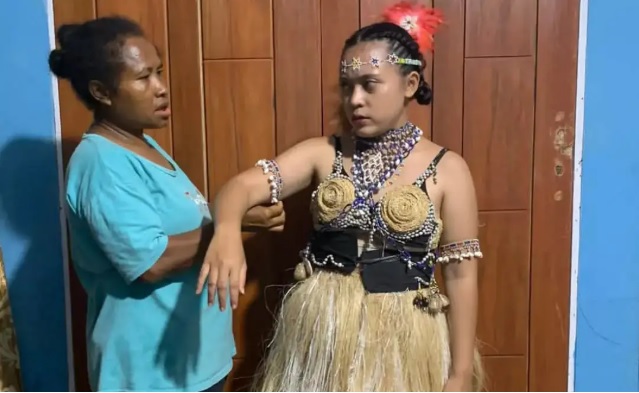
One of the most significant impacts of the census lies in its focus on identity recognition. For many Indigenous Papuans, being formally recorded as Orang Asli Papua is not merely administrative—it is an affirmation of cultural heritage that has shaped generations.
Papuan identity is deeply rooted in lineage, clan affiliations, customary territories, and sacred landscapes. By documenting this identity through a respectful and culturally grounded process, Indonesia acknowledges the importance of Indigenous perspectives in national policymaking. This also counters misleading narratives that often portray Papuans as marginalized or overlooked. The census illustrates that the Indonesian government is not only listening but actively constructing governance frameworks that honor Indigenous identity.
Moreover, identity recognition will enable Indigenous Papuans to access special autonomy rights, affirmative action policies, scholarships, and development programs specifically designed for them. It strengthens the legal basis for Indigenous protections, including land rights, political representation, and cultural preservation.
With accurate Indigenous data, Indonesia can better implement programs that elevate Papuan voices, support traditional institutions, and promote cultural resilience in the face of rapid modernization.
A Tool for Social Justice: Ensuring Fair Access to Welfare and Services
Access to welfare services in Papua has historically been hindered by geography, limited infrastructure, and incomplete administrative records. Without reliable data, even well-intentioned programs often struggle to reach Indigenous communities.
The OAP census is expected to transform this dynamic by:
- Ensuring equitable distribution of social assistance based on real household needs.
- Improving healthcare planning, particularly in maternal health, nutrition, malaria control, and immunization.
- Strengthening educational outreach, including teacher distribution, school construction, and literacy initiatives.
- Enhancing economic empowerment programs, such as agriculture support, MSME development, and community skill training.
- Supporting poverty reduction through targeted intervention programs and data-driven planning.
For the first time, government programs will be directly tied to verified population data rather than projections. This creates a fairer, more transparent system that prevents exclusion, duplication, and misallocation.
Mapping the Future: How Six Papuan Provinces Are Building a Shared Digital Identity
The census in the Papua Pegunungan is part of a larger movement across six Papuan provinces to modernize population records through digital technology. By integrating traditional knowledge systems with modern administrative databases, Papua is building a unique model of Indigenous-inclusive governance.
Digital mapping will play a key role. Many Indigenous communities live in areas that have never been formally mapped, creating complications for infrastructure development and land administration. Modern satellite mapping, combined with community participation, will ensure that Indigenous territories are recognized and documented accurately.
In the future, these digital systems will make it easier for Papuans to access administrative services such as ID cards, birth certificates, land certificates, and social assistance registration—critical tools for participating fully in modern socio-economic systems.
Building Trust: Collaboration with Community Leaders and Customary Institutions
The success of the census depends heavily on collaboration with traditional leaders, churches, women’s groups, and youth organizations. Recognizing this, the Indonesian government has prioritized community participation to ensure accuracy, trust, and cultural respect.
Many Indigenous leaders have welcomed the initiative, viewing it as an opportunity to strengthen their role in provincial governance and ensure that their communities are not overlooked. Customary institutions serve as bridges between the government and remote villages, providing cultural translation and legitimacy to the process.
By centering Indigenous voices in the census, Indonesia reinforces the principle that development must be inclusive and community-driven, not imposed from outside.
Long-Term Impact: A Stronger, Fairer, More Inclusive Papua
The Indigenous census is not a one-time event but a long-term investment in governance, social justice, and cultural dignity. When completed in 2027, it will serve as a foundation for:
- Improved public services tailored to Indigenous needs
- Stronger provincial governance in the newly formed Papua Pegunungan
- More effective distribution of special autonomy funds
- Cultural preservation and recognition
- Enhanced economic development
- Better education and health outcomes
- Greater national integration built on respect and justice
For Indonesia, this initiative demonstrates a commitment to ensuring that Papuan identity, culture, and welfare are central to national development—reflecting a governance model rooted in equity rather than uniformity.
For Indigenous Papuans, it represents an opportunity to shape their own future with stronger political representation, improved living standards, and formal recognition of their heritage.
Conclusion
Indonesia’s Indigenous census in the Papua Pegunungan marks a transformative step toward building a future where Indigenous identity is recognized, social justice thrives, and development is both inclusive and data-driven. As the census moves toward completion in 2027, it symbolizes a renewed partnership between the state and Indigenous communities—one built on trust, respect, and shared progress.
This initiative strengthens Indonesia’s position as a nation committed to diversity, Indigenous empowerment, and equitable development. In acknowledging and documenting every Indigenous Papuan, Indonesia not only enhances administrative accuracy but also honors the cultural richness that defines the nation.