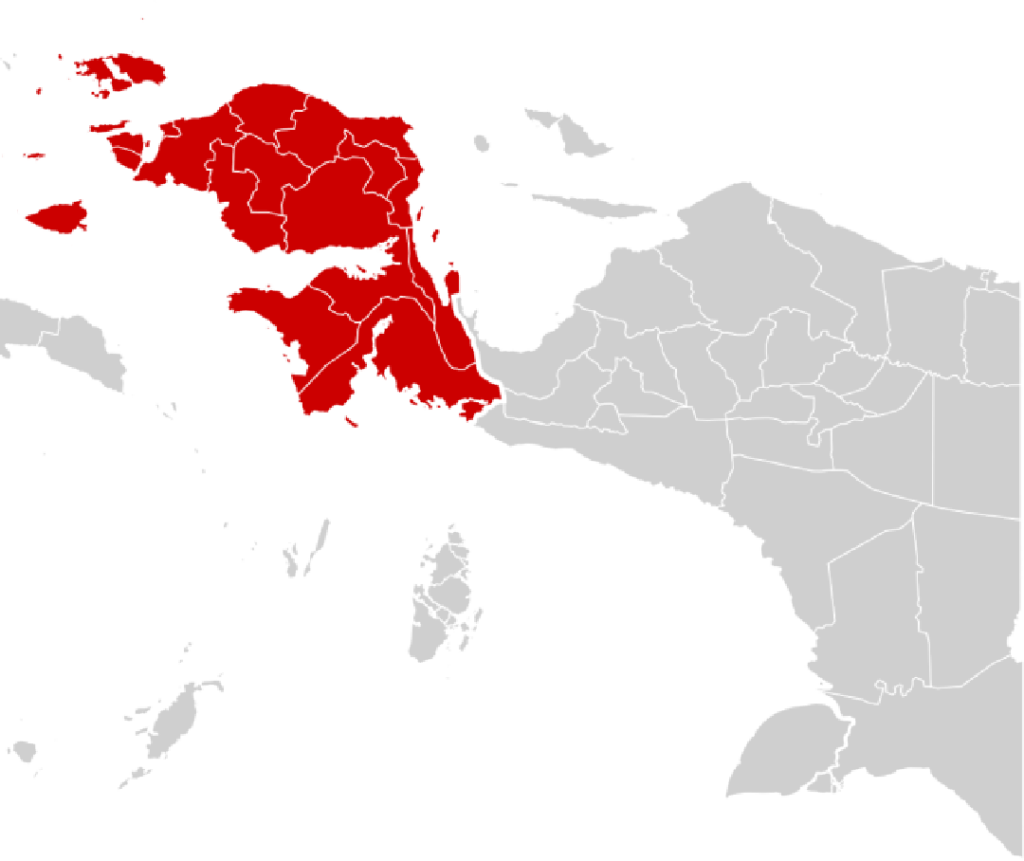
In the mountainous areas of Papua Barat (West Papua) province, where mist often hangs over the forests and rivers and hills separate villages, getting to school can be just as hard as the lessons inside.
For a lot of kids who live in remote areas, getting an education takes a lot of work. Some people walk a long way through forests on narrow paths. Some people depend on limited transportation that links small towns to larger cities.
Even with these problems, the desire to learn is still strong.
The Indonesian government is moving forward with a new plan to increase education opportunities in Papua. They know that the young people there face problems, but they also see their potential.
The Indonesian Ministry of Social Affairs is backing the program, which is called Sekolah Rakyat, or People’s School. Officials think that the project will help improve the quality of the workforce in Papua Barat while also making it easier for people to get an education.
The announcement has given many communities in the area hope that the next generation will have an easier time getting an education.
The Ministry of Social Affairs Moves Forward
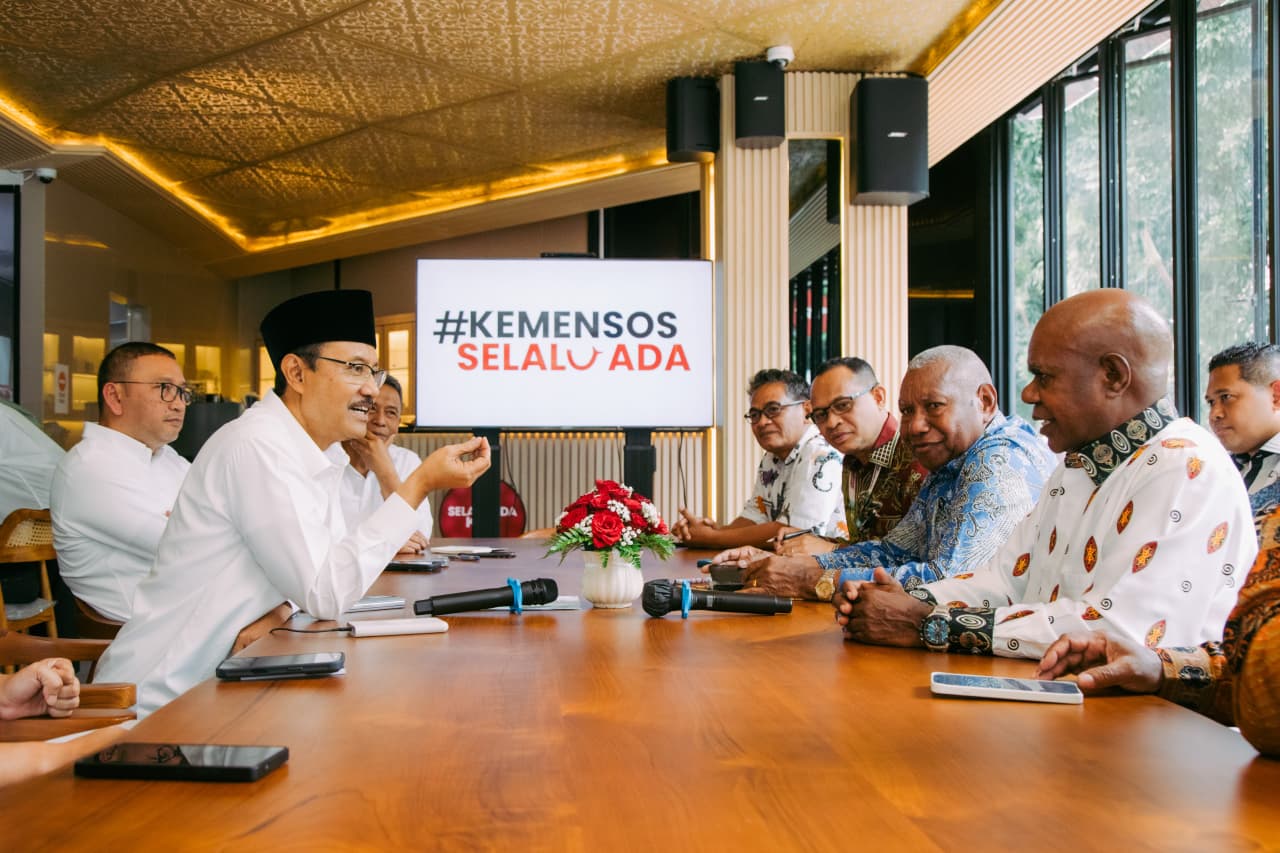
On March 4, 2026, after talks between regional leaders and Minister of Social Affairs Saifullah Yusuf, who is known throughout Indonesia as Gus Ipul, the Sekolah Rakyat program in Papua Barat gained momentum.
The minister stressed during the meeting that making education more accessible in Papua should still be a national priority. He urged local governments to actively support the growth of Sekolah Rakyat as part of larger efforts to improve social welfare and human development.
The ministry says that the program’s goal is to make education available to communities that may still have trouble getting it because of geography or infrastructure.
Minister Saifullah Yusuf said that education is one of the best ways to make opportunities.
Kids learn the things they need to know and do to make their own and their communities’ futures better when they get a good education.
A 10-Hectare Land Commitment in Pegunungan Arfak
The Papua Barat provincial government was in favor of the plan.
The Head of the Papua Barat Social Affairs Office said that the provincial government is ready to help with the project by getting land ready for the school after talking with the Ministry of Social Affairs.
Official reports say that ten hectares of land have been set aside in Pegunungan Arfak Regency, which is often called Pegaf by locals.
This choice is a big step forward for the program. Getting land is an important step toward making the idea of a Sekolah Rakyat into a real school that can help the community.
People know Pegunungan Arfak for its natural beauty, with mountains rising above lush forests and villages scattered across the highlands. But the region also shows the bigger problems that many remote areas in Papua are dealing with.
Sometimes schools are far away from where people live, which makes it hard for students to go to school every day.
Authorities hope that by building a new school in Pegaf, they can make learning more accessible to the communities that need it the most.
Education as the Basis for Human Growth
Government officials often talk about how important it is to develop human resources, especially in places like Papua and Papua Barat.
Infrastructure and natural resources are important for regional growth, but the long-term progress of a society depends mostly on what its people know and can do.
So, education is a very important investment.
Kids learn skills that can lead to higher education, professional careers, and community leadership when they have access to good learning environments.
People who work on the Sekolah Rakyat project think that making education better in Papua will help make a generation that can help the region grow.
The promise of better education means more chances for kids in local communities.
The Concept of “Sekolah Rakyat”
Accessibility and community involvement are at the heart of the idea behind Sekolah Rakyat.
The Sekolah Rakyat model, on the other hand, focuses on creating learning environments that are tailored to the needs of the local community. This is different from traditional education systems that sometimes have trouble reaching remote areas.
The method stresses both academic learning and social growth.
It is important for teachers, parents, and community leaders to work together to help students. This way of working together is a reflection of the strong sense of community that is a big part of Papuan culture.
A lot of villages see education as something everyone should do.
Students often feel more motivated to do well in school and reach their goals when the community gets involved.
Overcoming the Challenges of Geography
Papua’s geography is both beautiful and hard to deal with.
The island’s rough mountains, huge forests, and small settlements make it hard to build roads and other infrastructure.
In some areas, it may take hours to get to the nearest school.
For young students, these trips can be tiring and even dangerous at times, especially when it’s raining hard or the weather is bad.
These facts show why programs like the Sekolah Rakyat initiative are so important.
Authorities want to cut down on the distance students have to travel every day by building schools closer to where people live.
This can help families who live far away get to school more often and make it easier for them to get an education.
Government and Regional Collaboration
The Sekolah Rakyat in Pegunungan Arfak was built with help from both the national government and local governments.
The Papua Barat provincial government helps with land and local coordination, while the Ministry of Social Affairs sets policy and supports programs.
These kinds of partnerships are important to make sure that development programs meet both national and local needs.
Local leaders think that working together across levels of government can speed up progress in areas like education, healthcare, and infrastructure.
When national resources and regional commitment work together, development projects can move forward more smoothly.
The Hopes of Local Communities
People in Pegunungan Arfak are happy to hear about the planned Sekolah Rakyat.
A lot of parents hope that the program will make it easier for their kids to get an education without having to leave their home region.
Education frequently induces transformation in rural communities.
After finishing their studies, students can come back as teachers, health workers, business owners, or community leaders.
Their knowledge can help the area grow while keeping its cultural identity intact.
Parents who watch their kids grow up are hopeful that their education will get better.
Investing in the Future of Papua
It won’t happen overnight that Papua will make progress in education.
Schools need teachers, buildings, materials for learning, and a long-term commitment. But every step forward makes the future stronger.
One of those steps is the Sekolah Rakyat program.
The government wants to give young people more knowledge and confidence by giving them more chances to go to school in places like Pegunungan Arfak.
Education changes more than just people’s lives. It makes whole communities stronger.
Papua Barat believes that investing in education now will lead to a future where skilled and educated people will protect the region’s rich culture and natural heritage.
A Vision That Begins With a Classroom
The idea of a new school means a lot in the quiet highlands of Pegunungan Arfak, where clouds often slowly drift across the mountain slopes.
It stands for a place where kids can meet every morning with excitement and hope. A place where teachers share what they know and help students see new opportunities.
The Sekolah Rakyat project is a sign of hope for communities that have long had trouble with education.
If the program works out well, it could inspire other places in Papua and other remote parts of Indonesia to do the same.
For the kids who will one day go to that school, it could be the start of journeys that take them far beyond their mountain home.