In Papua, Christmas has always carried meaning far beyond religious ritual. It is a season when families return home from distant towns, villages come alive with song and prayer, and communities pause to reflect on their collective journey. In Christmas 2025, that reflection took on deeper significance. Across the highlands, coastal regions, and urban centers, leaders from government, churches, youth organizations, and civil society used the holy season to deliver a consistent message. They spoke of peace, unity, and national togetherness as essential foundations for Papua’s future.
Papua is one of Indonesia’s most culturally diverse regions. Its people come from hundreds of ethnic groups and speak many local languages while holding strong spiritual traditions. This diversity is a source of richness, but it also requires continuous care and dialogue. Christmas 2025 became a moment when those values were reaffirmed publicly and sincerely. From church pulpits to government halls, from youth gatherings to interfaith meetings, the call was the same. Papua’s strength lies in unity, compassion, and the willingness to live together in peace.
Peace Begins at Home: Reflections from Jayawijaya
In the heart of Papua’s highlands, Jayawijaya Regency offered one of the most intimate expressions of Christmas peace. On Christmas Eve at the Pikhe Church in Wamena, families filled the sanctuary with quiet anticipation. Children sat beside parents and grandparents, their faces illuminated by soft lights and the sound of hymns echoing through the wooden walls.
Church leaders used the moment to remind congregants that peace begins at home. They spoke about love within the family as the first school of harmony. According to their message, a peaceful society cannot exist without peaceful households. Forgiveness between spouses, patience toward children, and respect for elders were framed as acts that ripple outward into the wider community.
The sermon emphasized that Papua does not need grand gestures to build peace. It needs consistency in daily life. When families choose dialogue over anger and care over indifference, they help create stability in neighborhoods and villages. In a region that has experienced both social challenges and rapid change, this message resonated deeply with those in attendance.
After the service, families shared meals and warm conversations. There was laughter, storytelling, and quiet prayer. These small moments reflected a larger truth expressed throughout Papua during Christmas 2025. Peace is not an abstract concept. It is lived through human relationships, especially within the family unit.
Provincial Leaders Emphasize Togetherness and National Unity
Beyond local churches, Papua’s regional leaders used Christmas 2025 to speak to the broader population. The governor of Papua delivered a message that highlighted the importance of togetherness across differences. He reminded citizens that Christmas is not only a Christian celebration but also a national moment that reflects Indonesia’s commitment to harmony among diverse communities.
In his address, the governor emphasized that Papua’s future depends on cooperation among all elements of society. Government institutions, traditional leaders, religious figures, youth groups, and ordinary citizens each play a role in maintaining peace. He urged Papuans to view Christmas as a time to strengthen mutual trust and reinforce a shared sense of belonging within the Indonesian nation.
The message carried special weight given Papua’s unique social landscape. Leaders acknowledged challenges while choosing a tone of optimism. They spoke about unity not as uniformity, but as mutual respect that allows diversity to flourish. The governor’s words reflected a desire to move forward together, grounded in dialogue rather than division.
Christmas gatherings organized by the provincial government brought together people from different backgrounds. Security personnel, civil servants, religious leaders, and community representatives shared the same space. Their presence symbolized cooperation and demonstrated that peace is most visible when institutions and communities stand side by side.
Religious Voices Call for Reconciliation and Renewal
Religious leaders across Papua used Christmas sermons to deliver messages that blended spiritual reflection with social responsibility. Pastors reminded congregations that Christmas marks the birth of Christ as a symbol of renewal and reconciliation. They encouraged believers to reflect on personal behavior, asking whether their words and actions contribute to peace or deepen division.
In several churches, Christmas was framed as a moment of self-evaluation. Leaders urged worshippers to let go of resentment, forgive past grievances, and open their hearts to others. These messages were delivered not in abstract theological language, but in everyday terms that spoke to real experiences within Papuan communities.
Religious figures emphasized that peace is not passive. It requires courage to forgive and humility to listen. In areas where communities have faced tension or misunderstanding, the call for reconciliation felt particularly relevant. Christmas became a reminder that faith is not limited to prayer but must be expressed through ethical conduct and social care.
Some church leaders also highlighted the importance of interfaith respect. They reminded congregants that peace in Papua depends on maintaining harmony among all religious communities. This inclusive approach reinforced the idea that Christmas, while rooted in Christian belief, carries universal values of compassion and goodwill.
Youth Organizations Take Responsibility for the Future
Young people played a visible role in spreading messages of peace during Christmas 2025. Youth organizations in Papua Central Province and other regions issued public statements encouraging young Papuans to become guardians of unity. They recognized that youth are both the most energetic and most vulnerable segment of society, capable of driving positive change or amplifying division.
Youth leaders called on their peers to reject violence and intolerance. They encouraged constructive engagement through dialogue, education, and social activities that bring communities together. For them, Christmas was not only a celebration but also a reminder that the future of Papua rests in the hands of the younger generation.
In youth gatherings and community events, messages of peace were paired with concrete commitments. Young people volunteered in social programs, assisted with Christmas activities, and participated in interfaith visits. These actions reflected a growing awareness that peace is built through involvement, not slogans.
Youth leaders stressed that unity must be practiced consistently, not only during holidays. However, Christmas provided an ideal moment to renew that commitment publicly and collectively.
Community Solidarity Across Regions
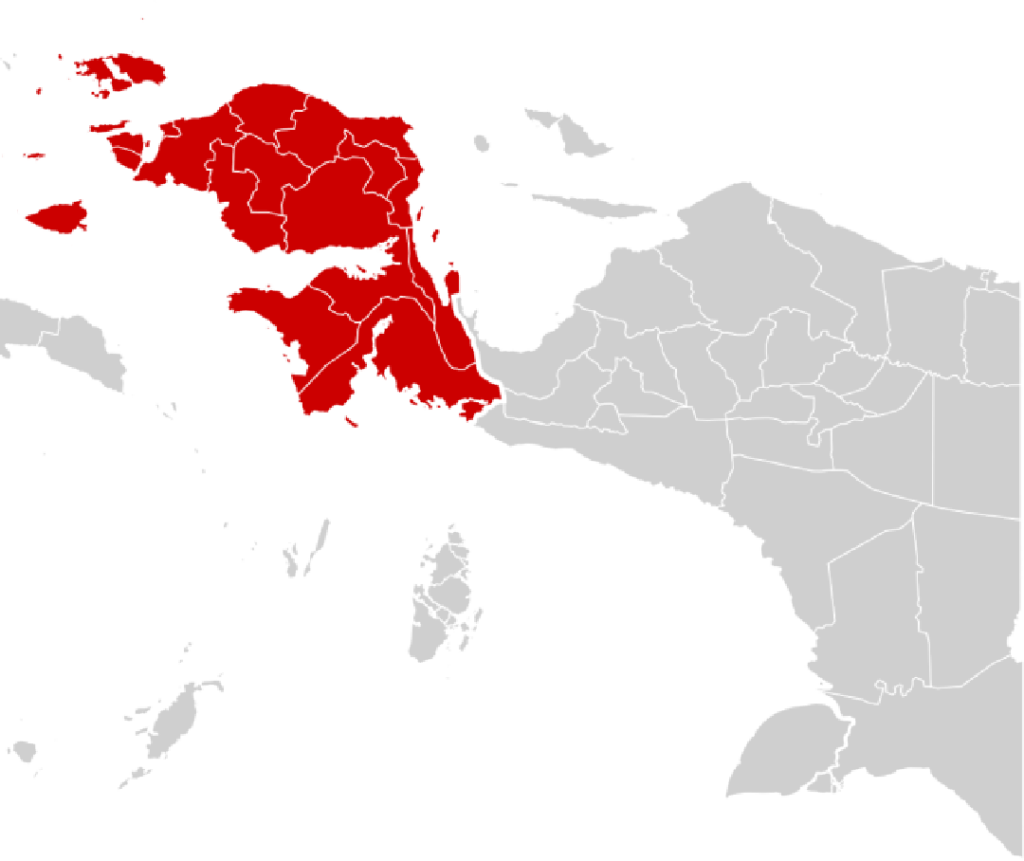
In Papua Selatan and Papua Barat Daya, Christmas was also marked by community events that emphasized social solidarity. Intercommunity gatherings brought together local leaders, business groups, and residents to celebrate the season while reinforcing cooperation.
In these regions, Christmas activities included charitable initiatives such as food distribution, visits to orphanages, and support for vulnerable families. Business associations and community organizations participated actively, reflecting a shared understanding that peace and unity are strengthened through social responsibility.
These initiatives demonstrated that the Christmas message of peace can be translated into practical action. By addressing social needs and encouraging mutual support, communities reinforced trust and reduced social gaps that often contribute to tension.
Cultural Identity and Faith in Harmony
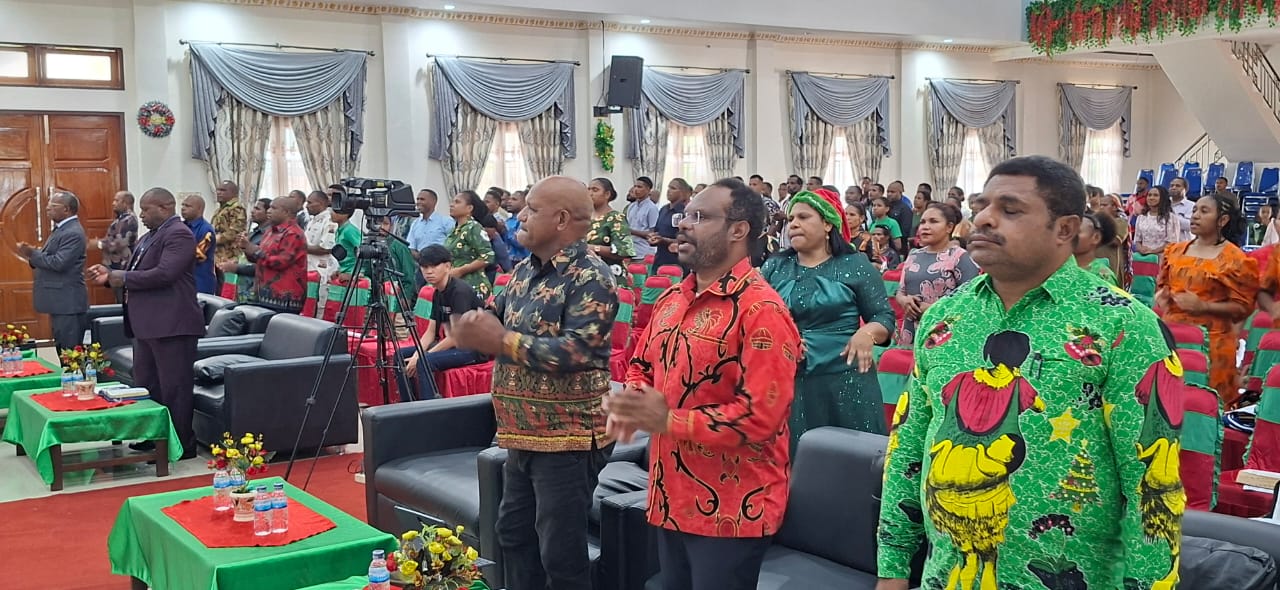
Papua’s Christmas celebrations are deeply enriched by local culture. Traditional music, attire, and symbols were visible in many church services and community events. Rather than standing in opposition to religious observance, cultural expressions enhanced the meaning of Christmas by grounding it in local identity.
In highland regions, traditional songs were performed alongside hymns. In coastal areas, community feasts reflected both Christian tradition and indigenous hospitality. These expressions highlighted a key message of Christmas 2025 in Papua. Unity does not erase identity. It honors it.
Leaders and elders emphasized that preserving cultural heritage while embracing shared values of peace strengthens social cohesion. This harmony between faith and culture served as a powerful symbol of how Papua can navigate diversity with dignity.
Security, Cooperation, and a Peaceful Celebration
Behind the scenes, cooperation between community leaders and security institutions ensured that Christmas celebrations took place peacefully. Police and local authorities worked closely with churches and community organizations to safeguard worship services and public gatherings.
Their presence was discreet but reassuring. It reinforced the message that peace is a shared responsibility between citizens and institutions. By working together, they created an environment where people could celebrate freely and safely.
This collaboration reflected broader efforts to build trust and cooperation across sectors. Christmas 2025 showed that when communication is open and intentions are clear, peaceful coexistence becomes not only possible but also sustainable.
Conclusion
As Christmas celebrations concluded and the New Year approached, the messages delivered throughout Papua remained clear and consistent. Peace, unity, and compassion are not seasonal values. They are daily commitments.
From church leaders to governors, from youth activists to community elders, voices across Papua used Christmas 2025 to remind society of what truly matters. Their messages were grounded in lived experience, cultural wisdom, and shared faith in a better future.
In a region shaped by diversity and resilience, Christmas once again proved to be more than a holiday. It became a mirror reflecting Papua’s aspirations for harmony and national unity. The hope expressed during the season now carries the responsibility of being lived out in the months and years ahead.