From the highlands of Papua to its dense river basins, the sound of a small aircraft engine carries more than passengers. It carries medicine, schoolbooks, fresh food, and sometimes the only link between families separated by mountains and forests.
So when gunfire shattered the calm at Korowai Airport on 11 February 2026, the shock traveled far beyond that single airstrip.
For people living in remote districts, the attack was not just a security incident. It was a disruption to daily survival. Frontier airports in Papua are not luxury infrastructure. They are lifelines. The aftermath of the violence slowed operations and halted flights, leaving a heavy silence in the sky.
Weeks later, as aircraft began landing again at 11 previously restricted frontier airports, the mood shifted. The Indonesian National Armed Forces, known as TNI, announced that security had been restored and operations gradually resumed. For many Papuans, that announcement meant something simple and profound.
Life could move again.
The Day That Shook Papua’s Aviation Lifelines
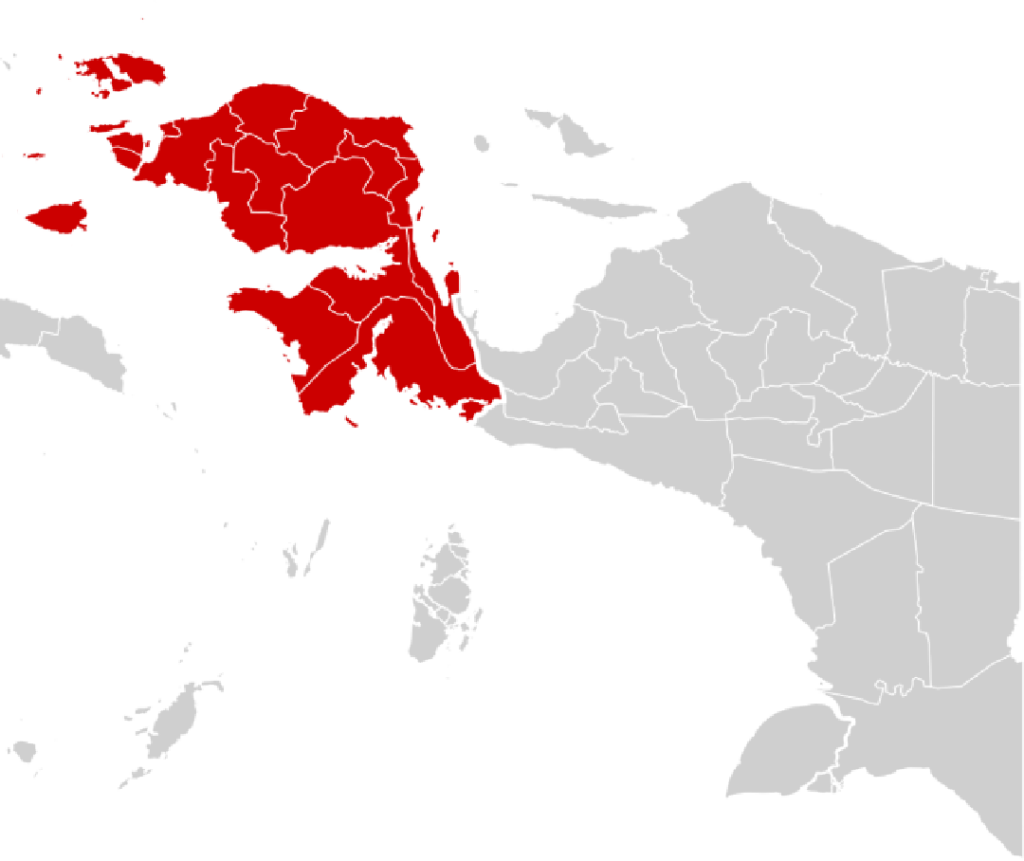
On 11 February 2026, an armed attack targeted an aircraft at Korowai Airport in southern Papua. Though the immediate damage was contained, the psychological impact was deep. Airlines reassessed routes. Authorities tightened security. Frontier airstrips across vulnerable regions suspended or reduced operations.
In Papua, geography defines reality. Roads can take days to traverse. Rivers swell unpredictably. Mountain passes are narrow and steep. Aviation fills those gaps.
When frontier airports closed or operated under heavy restrictions, markets felt it first. Fresh produce did not arrive on time. Prices fluctuated. Clinics waited longer for medical supplies. Students studying outside their home districts worried about how to return.
A teacher in one highland village recalled how her students kept asking when flights would resume. “They were not afraid,” she said quietly. “They were anxious. Their families needed connection.”
Security Operation Across 11 Frontier Airports
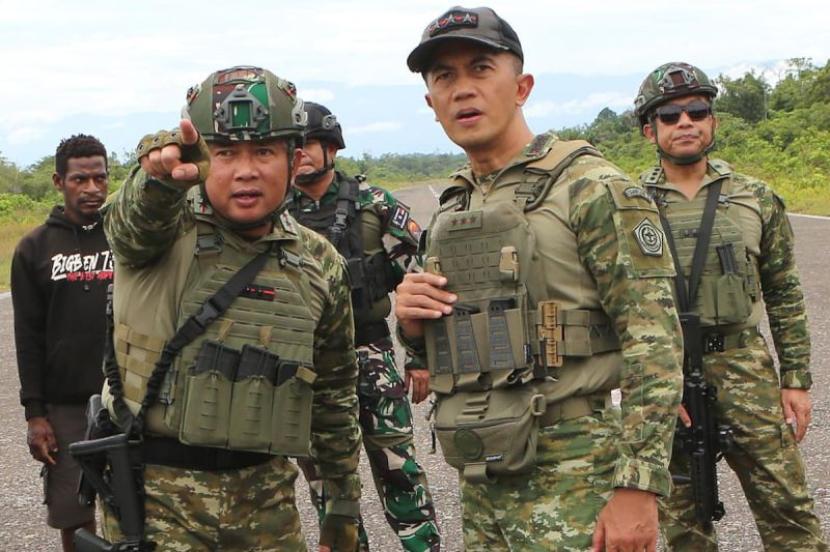
In response to the attack, TNI units coordinated with police and transportation authorities to secure 11 frontier airports considered vulnerable. The work was not dramatic. It was methodical.
Personnel inspected perimeters, reinforced patrols, and worked closely with local officials. According to reports from Antara, Republika, JPNN Papua, Validnews, and Kompas, the effort unfolded region by region rather than all at once.
Security forces ensured that airfields were free from immediate threats before allowing operations to resume. The Ministry of Transportation coordinated a phased reopening to ensure safety remained the priority.
By late February and early March 2026, operations at the 11 frontier airports had gradually resumed.
From the outside, reopening a runway might look like a routine administrative step. On the ground, it meant hope.
Why Frontier Airports Matter in Papua
In many parts of Indonesia, air travel is convenient. In Papua, it is essential.
Small aircraft carry midwives to remote clinics. They transport teachers to isolated schools. They deliver vaccines, fuel, and staple foods. For communities separated by mountains and rivers, aviation is not optional.
When frontier airports stopped operating normally, some villages had to rely on slower overland travel that can take days. For patients needing urgent care, delays were frightening.
A mother in a riverside settlement shared how she once waited anxiously for medicine that had been scheduled to arrive by plane. The temporary halt meant uncertainty. When flights resumed, she felt as if the sky itself had reopened.
For traders, restored flights meant stability. Perishable goods could reach markets again. Farmers could send produce beyond their villages. Fuel supplies returned to predictable schedules.
A small shop owner in the highlands described the first week after reopening. “Customers came back. The shelves were full again. We felt connected.”
Rebuilding Trust Through Presence
Restoring security was not only about armed patrols. It was also about reassurance.
TNI personnel met with community leaders and airport staff. They listened to concerns about safety and travel. They coordinated closely with local police to maintain visibility without disrupting daily routines.
In some districts, villagers welcomed security forces with cautious optimism. The presence of uniformed personnel near airstrips signaled protection rather than tension.
A village elder explained that while people do not want conflict near their homes, they also understand the need for protection. “If security returns,” he said, “our children can travel without fear.”
Trust is built slowly. The reopening of airports required not only clearing physical threats but also calming psychological ones.
Economic Stability Returns
Papua’s economy depends on connectivity. Even small disruptions ripple outward.
During the period of restricted flights, some traders faced losses as goods spoiled. Transport costs increased when alternative routes were used. Prices fluctuated unpredictably.
With 11 frontier airports reopening, supply chains stabilized.
Market activity picked up. Construction materials reached project sites again. Tourism operators, particularly in remote eco-destinations, began taking cautious bookings.
A local aviation worker described seeing passengers smile as they boarded the first flights after reopening. “It felt like a celebration,” he said. “People clapped when the plane took off.”
These reactions reflect how deeply aviation is woven into everyday life in Papua.
A Symbol of National Connectivity
Indonesia’s national development strategy emphasizes connectivity across its vast archipelago. Papua, located at the eastern edge of the country, is central to that vision.
Ensuring safe airport operations in remote regions reinforces national unity. It sends a message that no community is too distant to protect or support.
Government officials have noted that maintaining security at frontier airports is critical not only for local economies but also for social cohesion. When travel is safe and reliable, opportunities expand.
Education improves when students can move freely. Healthcare strengthens when medical teams can travel quickly. Commerce grows when goods flow consistently.
The reopening of these 11 airports is therefore more than a tactical success. It is part of a broader effort to ensure that remote communities remain connected to the nation.
Life After Disruption
In the weeks following the reopening, daily routines returned gradually.
Planes landing at small airstrips once again drew children to fences. Vendors reopened stalls near airport gates. Pilots resumed familiar routes through mountain corridors.
There is still vigilance. Security personnel remain alert. Yet the dominant feeling is relief.
A frequent traveler who visits family across districts described boarding his first flight after the disruption. “I felt nervous for a moment,” he admitted. “But when we landed safely, I realized how much we had missed this.”
That sentiment echoes across Papua. The attack on 11 February 2026 created fear. The restoration of security created resilience.
Looking Forward
Challenges remain in ensuring long-term stability. Papua’s terrain and social dynamics require ongoing coordination between security forces, civil authorities, and communities.
However, the successful reopening of 11 frontier airports demonstrates that disruptions can be addressed swiftly and thoughtfully.
For the people who rely on those runways, the return of flights represents something fundamental. It represents movement. Opportunity. Connection.
When small aircraft rise into the blue sky above Papua, they carry more than passengers.
They carry continuity.