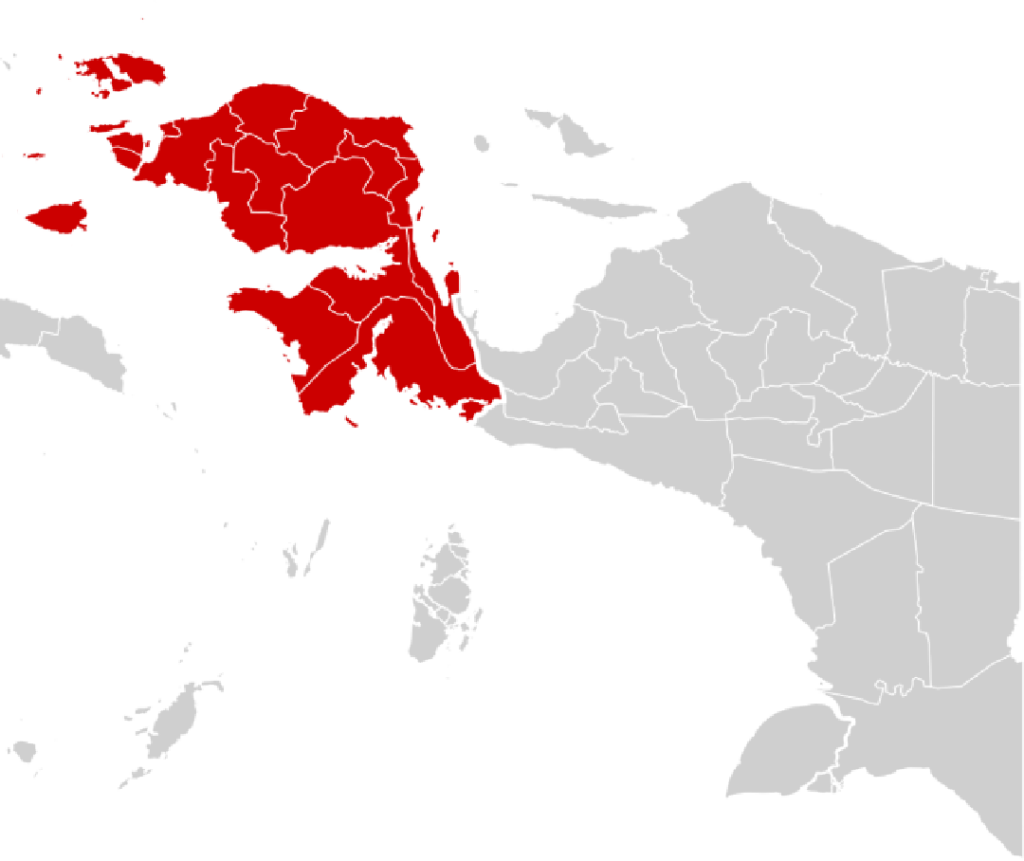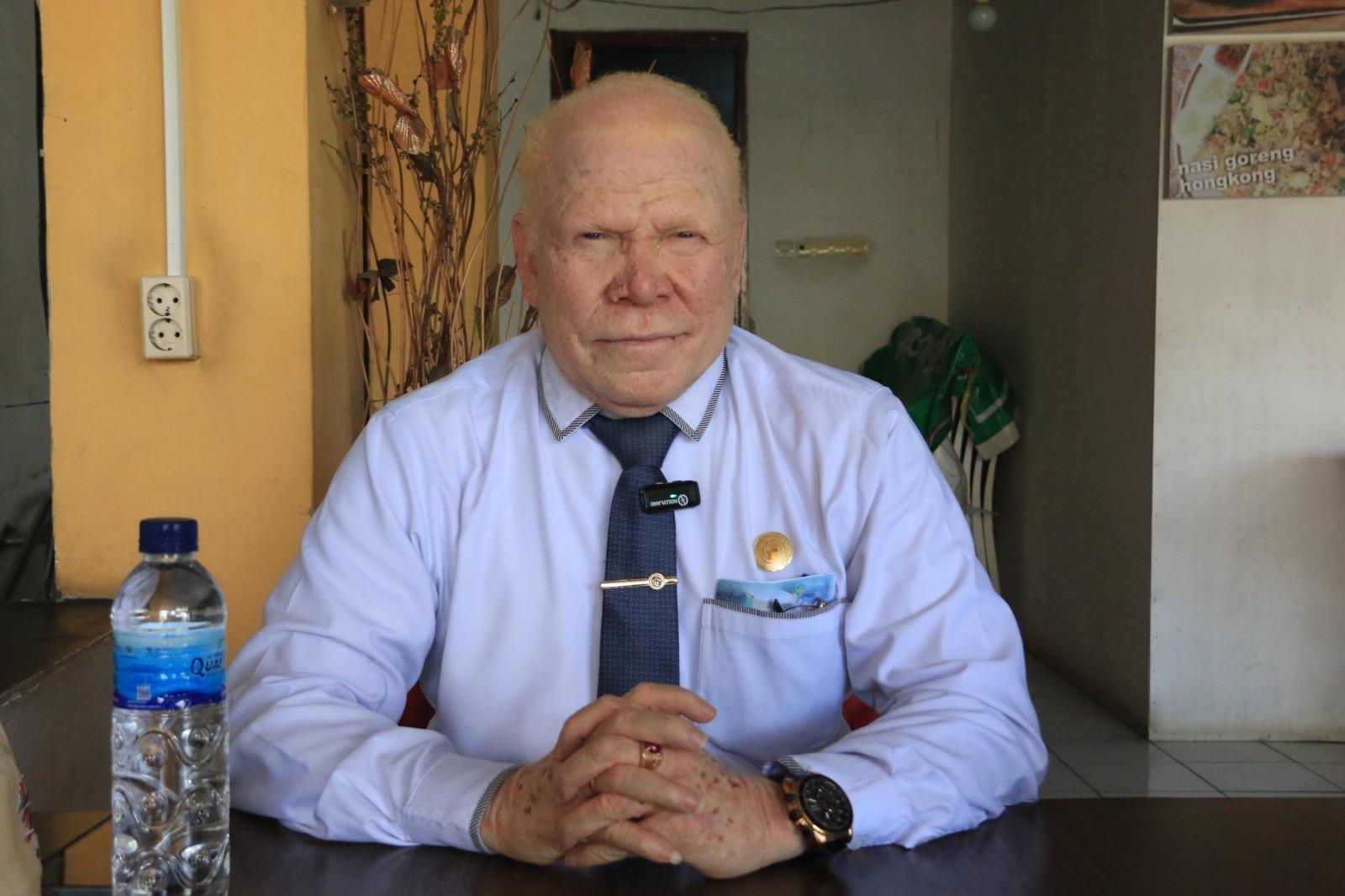
On the morning of February 26, 2026, voices that don’t often speak on the same public stage came together in a powerful way. From church pulpits to civil society forums, respected leaders in Papua sent a clear message to their congregations and communities: violence against civilians must end.
The statements came in the middle of a string of armed attacks in Papua that were aimed at teachers, health workers, drivers, and other civilians who weren’t fighting. In response, well-known religious and community leaders publicly condemned the actions of TPNPB OPM and showed their support for the security forces that are working to keep the peace.
Pendeta (Priest) M.P.A. Maury, Chairman of the Papua Fellowship of Churches, or Persekutuan Gereja-Gereja Papua; Pendeta Petrus Bonyadone, Chairman of the Synod of the Gereja Kemah Injil Indonesia (GKII) in Tanah Papua (Papua’s land); and Charles Kossay, who started Papua Connection, were among those who spoke out. Even though they represented different groups, they all cared about the same thing: the safety of everyday Papuans and the moral direction of society.
Their comments are part of a larger change in public discourse across Papua, where religious groups and civil society groups are putting more emphasis on humanitarian values and living peacefully together.
A Moral Stand from the Pulpit
As Chairman of PGGP, Pendepta M.P.A. Maury is in charge of representing a large number of Protestant churches in Papua. In comments reported by Tribratanews Polri, he told religious leaders to take a strong stand against violence that hurts innocent people.
He told religious leaders and communities of faith not to stay quiet when they see violence. He said that religious leaders need to be clear moral voices when things are unclear. He stressed that violence goes against the spiritual values that churches in Papua teach.
Maury specifically spoke out against attacks on teachers and medical workers. He said that these people help communities no matter their race or political beliefs. When people are hurt, it doesn’t just hurt one person; it also hurts the social fabric of whole villages.
He urged religious leaders to lead their congregations in conversation and to help security forces bring peace back to the area. He believes that supporting legal security measures doesn’t mean you don’t care. Instead, it shows a need for order so that markets, schools, and clinics can all work safely.
A Message from the GKII Synod
That same day, Pdt. Petrus Bonyadone, the head of the GKII Synod in Tanah Papua, said the same things. He told Antara Papua that violence in Papua should stop right away.
Bonyadone said that the recent attacks are very bad news for communities that are already having trouble with money and social issues. He said he was sorry for the deaths of civilians and stressed that war only makes things worse.
His message had a lot of pastoral weight. He told everyone involved to think about the human cost of the fighting going on. Families lose their main source of income. Teachers leave their jobs. Communities lose their access to health care.
Peace is not just a political idea for Bonyadone. It is a daily need that lets people farm, pray, study, and make a living without being afraid.
He also thanked the security guards who are responsible for keeping civilians safe in dangerous areas. He said that the security situation is complicated, but he stressed that law enforcement and military forces are necessary to stop more attacks on weak communities.
Papua Connection: A Civil Voice Against Terror
Not just church leaders, but also civil society groups have spoken out. Charles Kossay, who started Papua Connection, strongly condemned violent acts that armed groups are said to have carried out.
Papua Connection called attacks on teachers and health workers “acts of terror against humanity,” according to Suara and Disway. Kossay stressed that there is no political story that can justify these kinds of actions.
He said that threats shouldn’t drown out the voices of people. Civilian professionals who work in remote areas often have to deal with tough conditions and limited resources. Targeting them makes it harder to develop and makes people more afraid.
Papua Connection also said they support the security forces in doing their jobs to keep people safe. Kossay asked community leaders, religious leaders, and government officials to work together to make peace efforts stronger at the local level.
He doesn’t see rejecting violence as a political stance, but as a moral duty.
The Human Impact of Armed Violence
The recent attacks in Papua have had real effects on normal people. Teachers are hesitant to go back to remote areas. Health workers are afraid to go to clinics in remote areas. Drivers of transport vehicles are at risk on mountain roads.
When schools close because of safety issues, kids don’t learn as much. Patients can’t get treatment when clinics stop offering services. When markets close, families have a hard time making money.
Religious leaders can see these effects for themselves. They hold funerals for the dead. They help families who are sad. They help ease tensions in communities that are afraid of more violence.
Their statements are urgent because they are so close to pain.
Maury, Bonyadone, and Kossay are not talking to you from far away offices. They are members of the communities that are affected. They condemn violence because they have seen what it can do to people.
Supporting Security While Upholding Humanity
One important thing about what they said is that they clearly support the role of security forces. In Papua, where security is complicated, support from religious and community leaders is important.
These leaders show that protecting civilians is a shared responsibility by encouraging support for legal security operations. They don’t see security as oppression; they see it as a necessary part of peace.
They also stress that protecting civilians and respecting human dignity should be the top priorities of security efforts. They don’t want to see endless militarization; they want to see stability that allows for conversation and growth.
This balanced tone tries to bring people together. It gives communities hope that speaking out against violence with guns doesn’t mean giving up on their hopes for justice and welfare.
Faith, Community, and the Future of Papua
Papua has a long and complicated history. It is characterized by cultural resilience, economic difficulties, and intermittent unrest. For a long time, religious groups have been very important in education, health care, and social services.
A lot of people listen when church leaders talk. They have moral authority because they work with people in cities and towns every day.
The fact that PGGP, GKII, and Papua Connection all condemned the act shows that they all care about protecting civilian life. It also shows that more and more people are worried that long-term violence could slow down progress in education, healthcare, and the local economy.
A lot of the time, international observers only see Papua through the lens of security news. But there is a strong network of faith and civil society groups working quietly to keep society together behind those headlines.
A Message Beyond Papua
The speeches made on February 26, 2026, have an impact beyond the borders of the provinces. They follow universal rules like protecting civilians, following humanitarian norms, and not using violence against people who are not fighting.
This development shows that Papua’s religious and community leaders are actively shaping the conversation about peace and security for people all over the world. Their voices go against stories that say the region is only in a binary conflict.
They show that local leaders are still committed to having conversations, being morally responsible, and working with the government in a positive way.
Choosing Peace Over Fear
After their public statements, members of the congregation and the community told their leaders how much they appreciated how clear they were. Many people said they were glad to hear that attacks that had made them anxious were being condemned.
A teacher in a highland district said that knowing that church leaders are strongly against violence gives her the strength to keep teaching. A health worker in a coastal town said that the community’s support for security efforts makes her feel better because it shows that they want safety, not more violence.
These stories show how strong moral leadership can be.
Conclusion
On February 26, 2026, important religious and community leaders in Papua decided to speak with one voice. They spoke out against violence against civilians. They called for an end to attacks that hurt teachers, medical workers, and regular people. They showed support for the security forces whose job it is to keep communities safe.
Their message is clear: Papua needs peace.
In a place where fear can spread quickly, it is important that everyone speaks out against it. It strengthens the idea that civilian lives are important. It makes it easier for community leaders and officials to work together. It says that violence makes it impossible for dialogue and development to grow.
Papua will need to be patient, work together, and stay committed to humanitarian values in order to move forward. The voices of Maury, Bonyadone, and Kossay remind us that peace is more than just a political goal. It is a moral duty that everyone who is close to the people shares.
And in their call for calm, there is hope that Papua’s future will not be defined by fear, but by faith, unity, and long-lasting security.