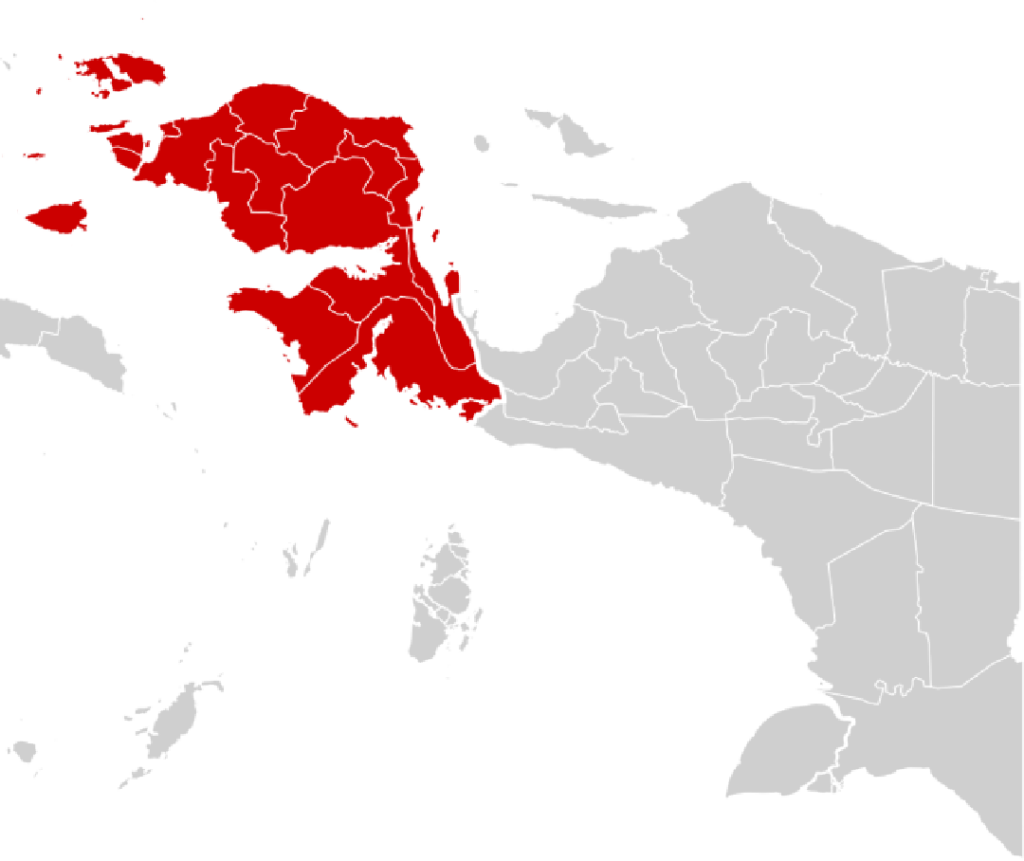
For more than twenty years, Indonesia’s Special Autonomy policy for Papua has symbolized a national commitment to justice, inclusion, and accelerated development in one of the country’s most complex regions. Introduced in 2002, the policy was designed to address historical grievances, reduce inequality, and give Papuans greater control over their own development priorities. Through this framework, the central government has allocated extraordinary financial resources intended to improve infrastructure, education, healthcare, and economic opportunities for indigenous communities.
However, in late 2025, that long-standing promise came under renewed scrutiny. The Corruption Eradication Commission, known as Komisi Pemberantasan Korupsi or KPK, publicly raised serious concerns about weaknesses in governance surrounding the management of Special Autonomy funds. According to the commission, these weaknesses have created significant risks of fund leakage, threatening to undermine the very purpose of the autonomy policy and eroding public trust in the state’s commitment to Papua.
Since the program began more than two decades ago, Papua has received approximately Rp200 trillion in Special Autonomy funds. The sheer scale of this allocation reflects both the depth of Papua’s development challenges and the strategic importance the government places on the region. Yet despite the size of the investment, many expected outcomes have failed to materialize consistently. Infrastructure gaps remain visible, social indicators lag behind national averages, and inequality persists between urban centers and remote areas. KPK’s findings now provide a clearer explanation for why progress has been uneven and, in some cases, deeply disappointing.
Scale of the Special Autonomy Funds and Growing Public Concern
The magnitude of Special Autonomy funding underscores the complexity of Papua’s challenges. The region’s vast geography, rugged terrain, limited transportation networks, and scattered population make development significantly more expensive and difficult than in other parts of Indonesia. These conditions require sustained public investment and careful planning to ensure that funds reach the communities that need them most.
Yet many Papuans continue to face shortages of basic services, particularly in remote coastal areas and the central highlands. Roads remain incomplete or deteriorate quickly due to poor construction quality. Health facilities often lack medical staff, essential equipment, and consistent supplies of medicine. Schools struggle with shortages of teachers, inadequate facilities, and limited learning materials. As a result, education and health outcomes in Papua continue to trail behind national benchmarks.
These realities have fueled long-standing public questions about where Special Autonomy funds have gone and why improvements have been slower than expected. KPK’s investigation confirms that the issue is not simply about the amount of money allocated, but about how that money is planned, managed, and monitored. According to the commission, the risks of leakage emerge long before funds reach communities, beginning at the earliest stages of planning and data management.
First Vulnerability: Weak Planning and Budget Misuse
One of the primary leakage risks identified by KPK lies in weaknesses within the planning process and frequent changes in budget allocation. In several cases, funds initially earmarked for priority sectors such as health services, education, and community empowerment were later redirected to other activities without clear justification or strong documentation.
While budget revisions are legally permitted under certain circumstances, KPK warned that poor planning discipline and weak internal controls make such changes vulnerable to abuse. When planning documents are treated as flexible guidelines rather than binding commitments, accountability becomes blurred. This situation makes it difficult for auditors, supervisors, and the public to determine whether spending truly reflects the needs of local communities.
KPK emphasized that strong planning is the foundation of effective governance. Without clear priorities, measurable targets, and transparent justification for changes, Special Autonomy funds risk being spent in ways that are inefficient or disconnected from their original purpose.
Second Vulnerability: Use of Funds for Administrative Expansion
The commission also highlighted concerns over the use of Special Autonomy funds for administrative and bureaucratic purposes, including costs associated with regional expansion. In recent years, Papua has experienced significant administrative restructuring, marked by the formation of new provinces and districts.
KPK found that in some instances, Special Autonomy funds were used to support these administrative processes, even though such spending does not always directly contribute to welfare-oriented programs. While administrative development is not inherently wrong, the commission warned that excessive absorption of funds by government operations risks diverting resources away from essential services such as healthcare, education, and poverty reduction.
This trend has raised concerns that the benefits of Special Autonomy may be diluted by bureaucratic expansion, leaving fewer resources available for programs that directly impact the daily lives of indigenous Papuans.
Third Vulnerability: Inaccurate Data on Indigenous Papuans
Perhaps the most critical issue identified by KPK is the weakness of data related to Orang Asli Papua, or indigenous Papuans. Accurate data is essential because Special Autonomy explicitly prioritizes indigenous communities as the primary beneficiaries of the policy.
However, KPK found inconsistencies in population records and beneficiary databases across regions. These discrepancies create space for misallocation, allowing individuals or groups who are not entitled to benefits to access Special Autonomy funds, while marginalized communities remain underserved.
According to KPK, this is not a minor technical problem. Inaccurate data undermines the fairness and legitimacy of the entire program. Without reliable information, it becomes nearly impossible to ensure that funds reach those they are meant to support.
The Human Impact of Fund Leakage
Behind the technical language of governance, planning, and budgeting lies a very real human cost. For families across Papua, Special Autonomy funds represent access to clinics, schools, clean water, and economic opportunity. When funds are misused, delayed, or diverted, communities feel the consequences directly.
In remote villages, weak oversight can result in health centers without doctors or medicine, schools without qualified teachers, and development programs that exist only on paper. Over time, these failures deepen public frustration and reinforce the perception that government promises are not matched by action.
The erosion of trust is particularly damaging in a region where historical grievances already shape relations between communities and the state. When Special Autonomy fails to deliver tangible improvements, it risks becoming a symbol of broken promises rather than empowerment.
KPK’s Call for Stronger Oversight and Prevention
Rather than focusing solely on law enforcement after corruption occurs, KPK has emphasized the importance of preventive measures. The commission has called for stronger cross-institutional supervision involving central ministries, regional governments, auditors, and law enforcement agencies.
According to KPK, fragmented oversight has allowed governance gaps to persist for too long. Improved coordination, clearer division of responsibilities, and shared accountability are essential to closing those gaps.
KPK has also urged improvements in data systems, clearer regulations on the use of Special Autonomy funds, and stricter planning discipline. Strengthening local administrative capacity is considered equally important, especially given Papua’s challenging geography and limited digital infrastructure.
A Test for the Future of Special Autonomy
KPK’s findings have reignited a broader debate about the future of Special Autonomy in Papua. Funding alone is no longer enough to sustain public confidence. What matters now is whether the system can demonstrate transparency, accountability, and measurable results that improve people’s lives.
For policymakers, the challenge lies in translating these findings into concrete reforms. This includes tightening oversight mechanisms, protecting Special Autonomy funds from misuse, and ensuring that development outcomes are visible and inclusive.
The credibility of the Special Autonomy framework now depends on governance reform as much as on financial commitment.
Conclusion
The issue of potential fund leakage in Papua’s Special Autonomy program goes beyond financial management. At its core, it is about trust between the state and its citizens. When public funds fail to deliver promised benefits, that trust erodes, weakening the legitimacy of policy itself.
By exposing structural weaknesses and pushing for stronger oversight, KPK has opened an important opportunity for reform. Whether this moment leads to lasting improvement will depend on the willingness of all stakeholders to prioritize accountability, transparency, and the welfare of Papuans.
If managed with integrity and discipline, special autonomy can still fulfill its original promise as a tool for justice and development. The challenge now is to ensure that every rupiah serves that purpose and reaches the people it was meant to uplift.