The figures look good on paper.
Thirty-eight projects for strategic development. About Rp 3.7 trillion in total value. Roads, buildings, and initiatives that are aimed to make life better for everyone in Papua, which is one of Indonesia’s most complicated and least developed areas. But in Papua, numbers alone have never been enough. Government programs have had good intentions for years, but they always run into the same issues. Holds. Bad management.
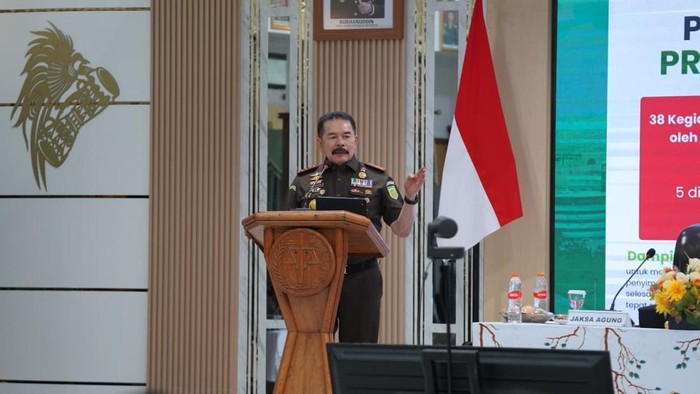
Corruption can sometimes quietly take resources away from people who need them before they can use them. ST Burhanuddin, Indonesia’s attorney general, is seeking to change this reality. In late March 2026, he went to Papua and gave a speech that was extremely blunt for a place where formal language is commonly used.
He told local leaders and citizens to take action against corruption and stress.
A Different Kind of Oversight
In the past, corruption cases started with damage that has already been done.
Money goes missing. Projects stop. There will be investigations after that.
The damage has already been done by the time the police get involved. The roads aren’t done yet. The facilities are not finished. People in the communities are left wondering what went wrong.
Burhanuddin wants something else in Papua.
Prosecutors are being told not to react but to stay close to the process itself. To keep an eye on how projects are planned, how money is spent, and how things are going on the ground.
In real life, this means that prosecutors are no longer just actors in court. They are joining the system that keeps an eye on progress as it happens.
Burhanuddin told prosecutors in the area to keep a close eye on all 38 major projects that are currently underway when he was there. The goal is not just to find problems, but also to stop them before they get worse.
This method is very important for Papua.
Why Papua Is Different
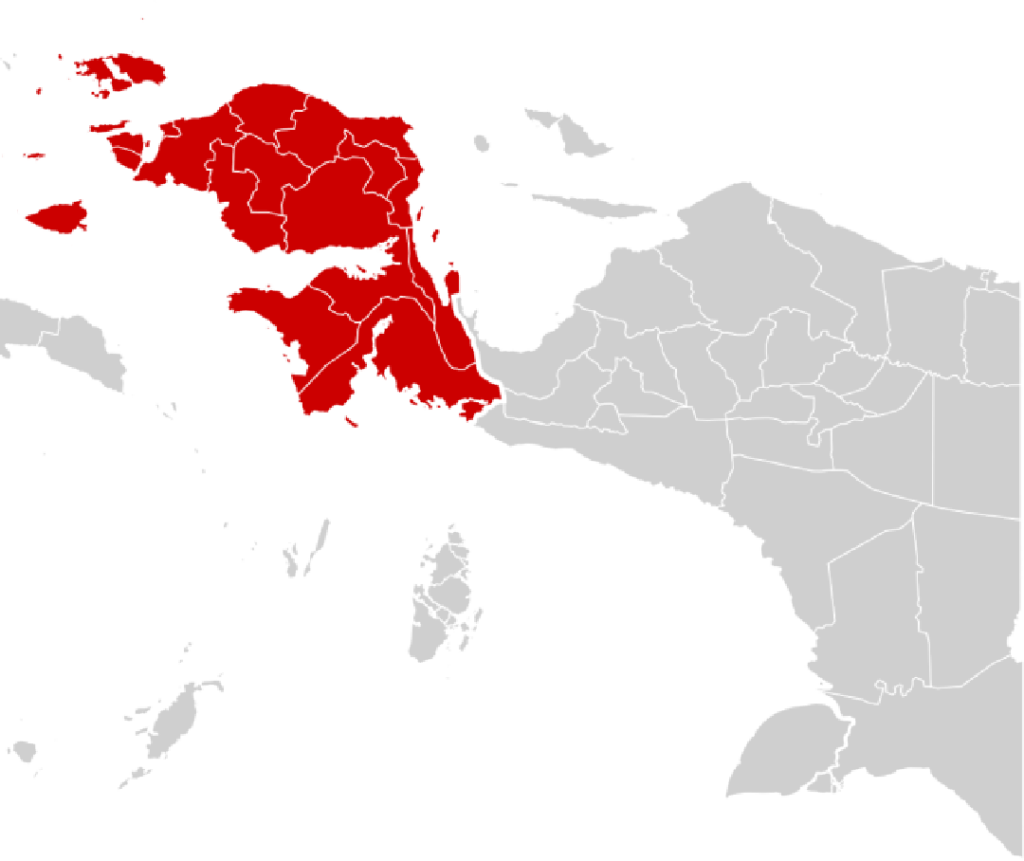
Papua has always been different from the rest of Indonesia.
It is really big and hard to get around. Mountains climb steeply, forests go on forever, and many towns can only be reached by plane or long overland trips.
It is a conundrum in terms of the economy. The area has a lot of natural resources, yet many of the people who live there still have trouble getting basic amenities like health care, education, and transportation.
This gap between what could be and what is has changed how people think about development.
Over the years, a lot of money has been spent on special autonomous programs and national development projects. But the results haven’t always been what was expected.
Logistics is part of the problem. Building infrastructure in Papua is hard by nature.
But governance is another issue that people don’t talk about as much.
When money is wasted or projects are badly run, the results are seen right away. The benefits that were promised to communities don’t come through. Trust fades.
Burhanuddin said that here is where the police need to do more.
The Message to Prosecutors
Burhanuddin didn’t talk in abstract terms when he spoke in Papua.
He told prosecutors to be brave. To fight corruption not just when it is tiny and easy to handle but also when it has big stakes.
It was a message that showed both how urgent and how angry they were.
Corruption in development initiatives isn’t always easy to see. It can show up in small ways. Budgets that are too high. Work that isn’t done is reported as finished. Contracts given out without sufficient supervision.
When these problems come up, it’s typically too late to fix the harm.
This is why the focus is now on finding things early.
Prosecutors should find dangers during the planning stage, keep a careful eye on the execution, and act fast when problems arise.
It’s a tough job that needs more than just legal knowledge; you also need to know how projects work in real life.
What Is at Stake
The 38 projects being watched over are not just for show.
They are actual changes that could have an impact on thousands of people.
Some emphasis on infrastructure, which connects far-off places to regional capitals. Some want to help local economies or make it easier for people to get basic services.
These programs are not just policy goals for people in Papua. They are connected to what happens every day.
A road can mean getting to markets. A health facility can mean getting care on time. A program for development can lead to new chances.
When these kinds of ventures work, the effects are clear.
The results are just as evident when they fail.
Beyond Budgets and Buildings
Burhanuddin has also linked the initiative to a broader concern.
Papua’s natural wealth.
The region is known for its vast resources, from minerals to forests to marine ecosystems. Managing these resources responsibly is critical, not only for economic reasons but also for environmental and social sustainability.
Without proper oversight, resource exploitation can lead to long-term damage while providing limited benefits to local communities.
By strengthening legal supervision, the government aims to ensure that these assets are used in ways that are both lawful and beneficial.
This adds another dimension to the attorney general’s role.
It is not only about preventing financial losses. It is about protecting long-term value.
The Reality on the Ground
Putting this plan into action won’t be easy.
Papua’s terrain alone makes things very hard. It takes time, planning, and resources to keep an eye on initiatives in remote places.
There is also the issue of capacity.
Prosecutors need to know how to use legal instruments and how to understand the technological parts of development projects. Without this, supervision can become shallow.
Then there’s the problem of balance.
Too much help might make projects take longer. Not enough can make matters worse.
You will need to think carefully about how to find the proper way.
Trust as the Real Measure
At its heart, this project is about more than just corruption.
It’s all about trust.
People in areas where development results have been inconsistent may not trust the government very much. People may wonder if projects will get done, if the money will be utilized correctly, and if promises will be kept.
The administration is trying to regain that trust by having prosecutors closely oversee things.
But policy alone doesn’t build trust.
It is built by results.
A job finished on schedule. A building that works as it should. A program that really helps.
These are the times that change how people see growth.
A Shift in Approach
Papua’s situation is a sign of a bigger change in how Indonesia runs its government.
People are starting to realize that growth isn’t just about making plans and getting money. It’s all about doing it.
To make sure that resources are used well, systems need to be open, answerable, and quick to respond.
One way to make those systems stronger is to have the attorney general’s office be a part of them.
It adds a legal aspect to the development process, which adds another level of supervision.
If it works, it might serve as a model for other areas that are having the same problems.
Looking Ahead
The directive is still in its early phases for now.
How well it is put into action in the coming months will determine how well it works.
Will prosecutors be able to keep an eye on projects? Will institutions work together better? Will the chances of corruption go down before they happen?
Right now, we can’t answer these questions.
But they will affect how people assess the initiative over time.
A Region Watching Closely
People are watching in Papua.
Not the policies or the announcements, but the results.
Will the roads be built as promised? Will the services get better? Will development finally seem real?
These questions are more important to many people than any official statement.
Conclusion
It makes sense and is a good idea for Indonesia’s Attorney General’s Office to be in charge of 38 critical projects in Papua.
Practical because it wants to stop corruption and make things run more smoothly.
Symbolic, since it shows that people are becoming more responsible.
This strategy is an attempt to do things differently in an area where development has often not lived up to expectations.
It will not depend on the size of the projects or the strength of the orders if it works.
Whether this time the results can be seen and felt where they are most important.