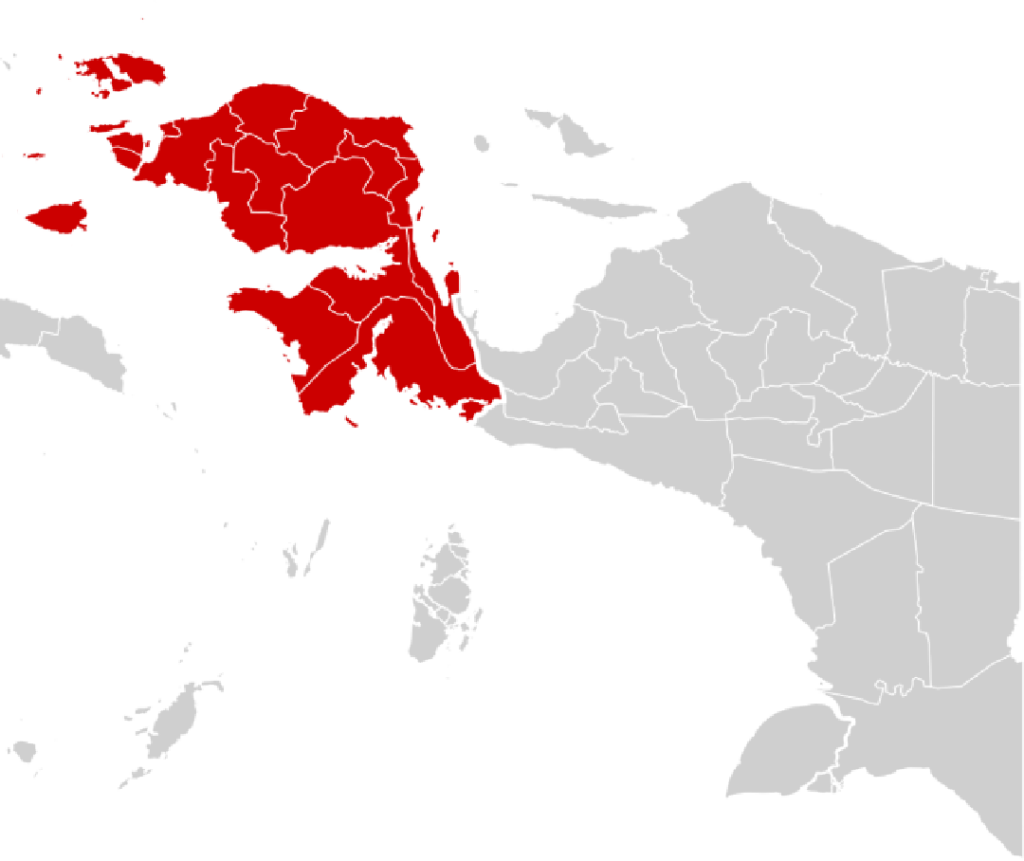
A small plane from Smart Air flew to Koroway Airport in Boven Digoel Regency, South Papua, on the morning of February 11, 2026. Only air or long river routes can reach the airport, surrounded by thick forest. It is an important gateway for remote communities in Papua’s interior.
Gunfire broke out just after the plane landed.
Bullets hit the plane, which had crew and passengers on board. Later, officials said that armed separatists linked to TPNPB OPM had attacked the plane. The attack killed Captain Egon Irawan, the senior pilot, and Captain Baskoro, his co-pilot. Thirteen of the passengers lived through the shooting, but the psychological shock spread far beyond the small airstrip.
Not everyone in Papua lives in a big city, so pioneer airports like Koroway are not luxuries for them. They are lifelines. The attack made Indonesia face an urgent question: how safe are the country’s most remote airports, and what needs to be done to stop another tragedy?
A Remote Airport Under Investigation
Koroway Airport is a pioneer or frontier airport. These short airstrips link small towns and villages to bigger cities. They bring food, medical supplies, teachers, government workers, and people who need to leave quickly.
Historically, security at these kinds of airports has been less strict than at major commercial hubs. There may not be much fencing around the perimeter. There are only a few armed patrols. There isn’t much or any surveillance technology.
After the shooting on February 11, officials admitted that security at Koroway had been pretty lax. The event led to an immediate review of airport security standards throughout Papua.
On February 12, 2026, Djamari Chaniago, the Coordinating Minister for Political, Legal, and Security Affairs, told officials to make Koroway Airport and other vulnerable pioneer airstrips safer. He stressed that making aviation safety in Papua a national priority is very important.
Aviation as a Social and Economic Lifeline
Because of its geography, Papua needs aviation. Roads are limited by mountains, rivers, and forests. Many villages depend on small planes to bring them supplies.
An attack on an airport affects more than just the people who work there. It gets in the way of business, healthcare, education, and local economies.
People in Boven Digoel rely on air shipments of rice, cooking oil, and other basic goods. Medical clinics use planes to move vaccines and patients who need help right away. Teachers in the interior districts have to fly to get to their schools.
The shooting down of the Smart Air plane was more than just a crime. It hurt the region’s weak connections.
Voices From the Aviation Industry
Senior pilots all over Indonesia acted quickly. On February 13, 2026, aviation experts told the government to make security at pioneer airports better. They said that if this kept happening, airlines might not want to fly in high-risk areas.
A veteran pilot said that flying into Papua’s remote strips was both beautiful and scary. He said that landing in forested valleys is already hard because the weather is unpredictable and the runways are short. The risk is even higher because of the added threat of armed attack.
Pilots were worried that if security measures weren’t clear and consistent, people might lose faith in flying routes to remote areas.
Response from the Government and Politics
Members of parliament and leaders in the regions also called for change. Several lawmakers asked the Ministry of Transportation and security agencies on February 13, 2026, to look over airport security procedures in all of Papua.
Some of the ideas were to have more armed security guards, put up perimeter fencing, set up surveillance cameras, and do regular threat assessments.
People from the Ministry of Transportation also said that they were working with the National Police and the Indonesian Armed Forces to protect weak areas.
It was clear that it was urgent. Pioneer airports must not be easy targets.
What We Learned from the Koroway Incident
Security experts say that the Koroway shooting showed that the system had weak spots.
First, many remote airports don’t have good perimeter control. Attackers can hide in thick plants near runways.
Second, it might be hard for aviation authorities and security forces to work together because of distance and a lack of infrastructure.
Third, communication networks in faraway areas aren’t always reliable, which makes it harder to respond quickly.
After the attack, the government started making maps of Papua’s high-risk airports, focusing on those that were close to areas where conflict was likely.
Making the Shield Stronger
There are a number of steps being looked at to make pioneer airports safer.
The first step is to make the perimeter more secure. Cutting down plants near runways can make it harder for people to hide. Fencing and controlled entry points keep people who don’t have permission from getting in.
More police and military patrols during takeoff and landing windows can stop attacks.
Drone monitoring and closed-circuit cameras are examples of surveillance technology that could add extra layers of safety.
Emergency response protocols are also being looked at to make sure that medical evacuations happen quickly and that countermeasures are coordinated if something happens.
Finding a Balance Between Security and Community Relations
Officials say that while it is important to improve airport security, it is also important to find a balance between safety and community involvement.
Pioneer airports are very close to the people who live there. If not done carefully, too much militarization could cause problems.
Authorities are looking into community-based vigilance programs to get people to report anything suspicious while still keeping trust.
Leaders in Boven Digoel have said they want stronger security, but they also stress that enforcement must be accompanied by local conversation.
The Cost to People
Family, friends, and government officials came to Captain Egon Irawan’s funeral. Tributes praised his professionalism and commitment to connecting communities that are far apart.
His death shows how dangerous it is to live in Papua’s border areas.
Captain Baskoro, the co-pilot, will take a long time to get better. The trauma goes beyond just physical wounds.
The memories of the passengers who lived through the attack will last a long time.
Effect on Other Countries
The Koroway incident has also had an impact around the world. Papua has long been in the news because of its natural resources and its sensitive position in the world.
Attacks on civil aviation infrastructure can make investors less confident and make the world see the country as less stable.
So, ensuring airport safety is vital for the nation and its global reputation.
A Change Point
The government’s quick response shows that they know things can’t stay the same.
The events of February 11, 2026, could change how Indonesia handles aviation security in its easternmost provinces.
Authorities want to reassure pilots, passengers, and communities that violence won’t affect remote connectivity by making pioneer airports safer.
Looking Forward
To pay for security upgrades, work together, and keep political will strong, you will need all three.
Airlines, pilots, and people in the area will be watching closely to see if changes happen that go beyond what is said in public.
There is a lot at stake. Pioneer airports are the best places to find work in Papua.
When airplane engines roar to life above the trees, they carry more than just people. They bring hope, medicine, business, and education.
The tragedy at Koroway has brought to light a painful truth: Papua’s lifelines are at risk without safe runways.
The goal is clear as Indonesia works to strengthen these gateways. Make sure that flights land safely, that communities stay connected, and that no pilot or passenger has to deal with gunfire on the tarmac again.