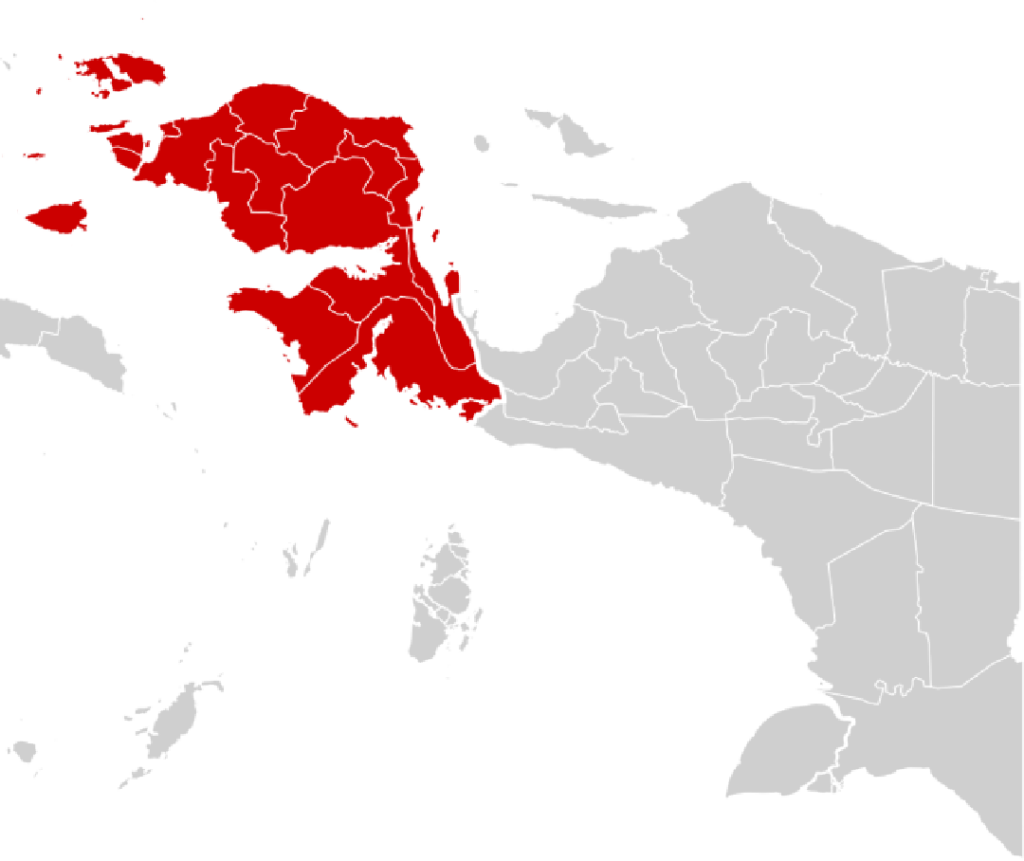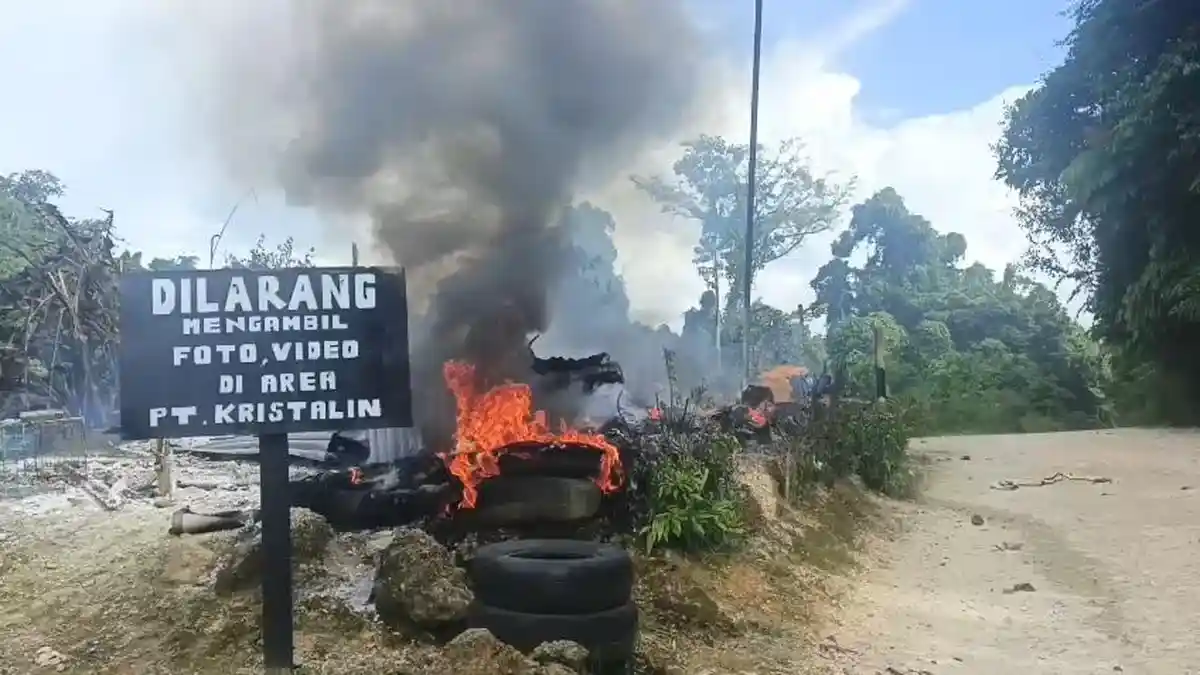
On the afternoon of February 21, 2026, the people of Biha Village, Makimi District, in Nabire Regency, Papua Tengah (Central Papua) Province, lost the sense of safety they had grown used to. Around 14:30 local time, a planned attack took place at the security post near PT Kristalin Ekalestari, a mining company on Jalan Musairo. Two people died in a violent attack that many people say was carried out by members of the West Papua National Liberation Army, also known as TPNPB OPM, under the command of Aibon Kogoya. What should have been another day of normal business turned into a tragedy.
The event didn’t just shock Nabire. It echoed across Papua and Jakarta, drawing the attention of national leaders, local community leaders, victims’ families, and security experts trying to figure out a conflict that has been going on in the area for decades.
A Harsh Afternoon
Witnesses remembered a normal day that suddenly turned deadly. Gunshots and screams disrupted the calm as workers at PT Kristalin Ekalestari prepared for lunch. Reports say that the first shots were fired at a company car that was driving by the site about half an hour before the attack on the security post. One local report says that three people who were thought to be attackers shot at the car with long-barreled guns. The car sustained damage in the crash, but fortunately, the people inside survived.
The security post, which is known locally as the Pos Pengamanan, or security post, was attacked directly a few minutes later. The violent attack set the building on fire, which spread quickly in what emergency responders later called “chaotic and uncontrollable” conditions. Within a few hours, police and emergency vehicles were on the scene, trying to restore order and help scared locals leave the area.
Security guards and police quickly took the two badly burned victims to a hospital in Nabire, where they began the process of identifying the dead and putting together the full story of what happened. The TPNPB OPM reportedly seized four firearms, including three rifles and one pistol.
Official Statements and What the Police Did
AKBP Samuel Tatiratu, the Head of Police of Nabire Regency, confirmed that the attack had happened and called the scene tragic and very worrying for the whole community. He acknowledged that preliminary evidence indicated the involvement of the Armed Criminal Group (KKB), under the leadership of known militant Aibon Kogoya. Security forces were still trying to figure out the victims’ names and other important information. Their difficulty was partly because the bodies were in such bad shape that it was hard to identify them right away.
The authorities haven’t officially said yet if the two victims were security guards, company employees, or just people who happened to be nearby. Local leaders emphasized the need for an autopsy and a comprehensive forensic investigation to provide clarity. Simultaneously, the police and the TNI (Indonesian National Armed Forces) collaborated with the community to maintain peace and prevent further violence.
More than 100 gold miners and villagers from the Legari area were moved to safer places right after the event to keep them safe while investigators continued their work. Community leaders asked people to stay calm and work together. They told people to stay alert but not panic.
Corporate Reaction
The people in charge of PT Kristalin Ekalestari were very sorry about what happened. The company said in a statement on February 22, 2026, that it was sad about the violence and the deaths. The company clarified that the attacked security post was adjacent to its operational area, not within its official buildings. The company made it clear that the event happened at the edge of the mine’s operations and the community as a whole.
Teguh Arief, the deputy director of PT Kristalin, stated that the company was collaborating with local authorities and security forces to monitor the situation. Teguh Arief Herlambang instructed the public to disregard unverified information during the ongoing investigations. The company also thanked the police and other emergency services for acting quickly to deal with the situation.
Residents and Community Impact
In the days that followed, people in the area talked about how shocked they were at how quickly things had gotten worse. Many people said they heard gunfire and saw smoke rising into the sky as the security post burned. People in Kampung Biha and nearby villages have to deal with rough terrain, severe weather, and the constant presence of economic activity related to mining and artisanal gold panning every day. Before this, most people had never seen violence up close.
Parents quietly talked about how they would tell their kids to stay inside for a few days. Shopkeepers said that business was slower because people were staying closer to home. Authorities held community meetings to reassure residents that they were committed to restoring safety and to talk about how to help the families of the victims.
A community elder said that Nabire had seen unrest in the past, but direct attacks on security posts were rare and shook people’s sense of normalcy that they had worked hard to keep.
A Link to a Broader Conflict
For decades, there have been sporadic fights between the Indonesian state and armed separatist groups in Papua. The Organisasi Papua Merdeka (OPM) and its armed wing, the TPNPB, have been saying for a long time that they want Papua to be free. Security operations, community outreach, and occasional negotiations have marked the complicated relationship between the state and separatist groups.
In this broader context, local leaders such as Aibon Kogoya have occasionally been associated with armed actions that vary in scope and objectives. Security experts say that these kinds of groups often work in remote areas, using local problems and long-standing arguments over land, freedom, and economic differences.
The attack in Nabire shows how these tensions can turn violent, hurting security personnel, businesses, and civilians all at once.
National and Provincial Governments’ Reaction
Following the Nabire attack, officials in Jakarta and Jayapura vowed to halt further violence and hold those responsible accountable. Provincial leaders sent their condolences to the families who were affected and stressed how important it is for security operations to work together to keep people and businesses safe.
Government officials said that events like this not only threaten the stability of the area, but they can also slow down economic growth and social cohesion throughout the region.
Looking Ahead
The community of Nabire is now in a time of healing and thinking about what happened as investigators continue to gather evidence and find those responsible. People are calling for more conversation between security forces and local communities, and there are more and more calls for solutions that make armed action less appealing and reaffirm the rule of law.
It will take time for families who lost loved ones to heal. The memories of fear and doubt are still fresh for the owners and employees of PT Kristalin Ekalestari. For parents and kids who saw how scared people were back then, the hope is that peace will return and that violence like that will be a rare memory instead of a regular headline.
Conclusion
The attack on Nabire on February 21, 2026, is a clear example of the ongoing and serious problems in some parts of Papua. Two people died, and their families and communities are mourning while the police work to find out what happened and hold those responsible accountable. The incident calls for more work to be done to deal with the root causes of conflict, keep civilians safe, and create a future where security and prosperity go hand in hand.
People in Nabire, like many others in Papua, want peace, but they also hope for better and safer days to come.