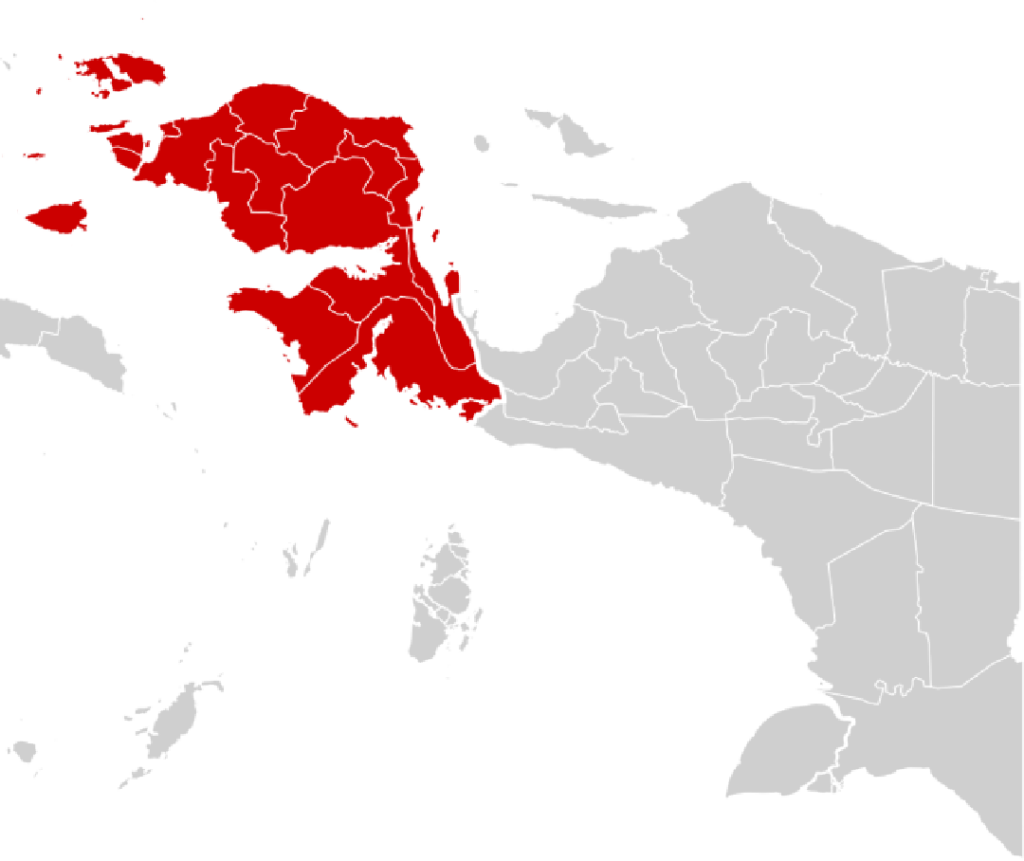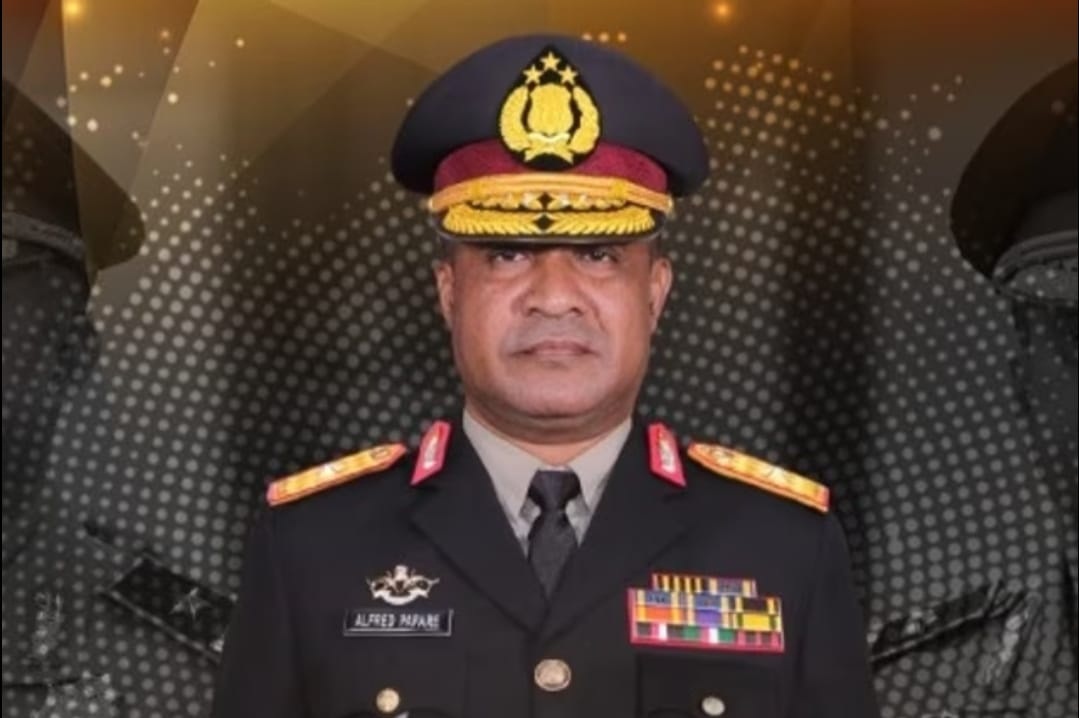
On January 15, 2026, Indonesia entered a new chapter in the governance of Papua Barat (West Papua) Province with the appointment of Brigadier General Alfred Papare as the new Chief of Regional Police (Kapolda) of Papua Barat. The decision, announced as part of a broader rotation within the Indonesian National Police, immediately drew public attention not only because of Papare’s professional background but also because of his personal history. Alfred Papare is a native son of Papua and the grandson of Silas Papare, a national hero of Indonesia whose name is deeply woven into the story of Papua and the Indonesian republic.
This appointment was widely interpreted as a signal of the government’s intent to strengthen locally rooted leadership in a region that continues to face complex security, social, and developmental challenges. For many Papuans, Alfred Papare’s elevation to one of the most strategic security posts in the province carries symbolic meaning, blending institutional authority with cultural proximity and historical continuity.
A Son of Papua in a National Institution
Alfred Papare was born and raised in Papua, a fact that shapes much of his identity as a police officer and leader. His early life unfolded amid the social diversity and geographic challenges of eastern Indonesia. Growing up in Papua exposed him to local customs, indigenous values, and the realities faced by communities living far from Indonesia’s main centers of power.
After graduating from the Indonesian National Police Academy in 1995, Papare embarked on a career that would largely keep him close to Papua and eastern Indonesia. Over the years, he served in various operational and leadership roles that gradually sharpened his understanding of policing in areas marked by difficult terrain, limited infrastructure, and sensitive political dynamics. His postings included assignments in Mimika, Pegunungan Bintang, Raja Ampat, Jayapura City, and Merauke, regions that each present distinct security and social characteristics.
Colleagues and observers often describe Papare as an officer who combines operational discipline with an awareness of local context.This combination has become increasingly important in Papua, where policing is expected not only to enforce the law but also to maintain dialogue with communities whose trust is essential for long-term stability.
Steady Rise Through the Ranks
Papare’s career trajectory reflects a steady progression built on field experience rather than rapid political advancement. Before becoming Kapolda Papua Barat, he held several senior positions that prepared him for the responsibility of leading a provincial police force.
One of the most significant roles in his recent career was his appointment as Deputy Chief of Police of Papua Barat, a position that allowed him to familiarize himself deeply with provincial-level security coordination. Later, in November 2024, he was appointed as Chief of Police of Papua Tengah (Central Papua), a newly established province. In that role, Papare was tasked with building policing structures almost from the ground up, an experience that demanded not only administrative skill but also sensitivity to local expectations and intergovernmental coordination.
His achievements in Papua Tengah undoubtedly paved the way for his promotion to Kapolda Papua Barat. The National Police’s January 2026 announcement, which also granted him a higher rank, spoke volumes about the institution’s confidence in his abilities.
The name Papare holds significant weight in Papua and throughout Indonesia. Alfred Papare is the grandson of Silas Papare, a prominent Papuan figure who played a crucial role in Indonesia’s struggle for independence and the subsequent nation-building efforts. Silas Papare is remembered as a politician and freedom fighter, a man who advocated for both unity and the rights of Papuans within the Indonesian framework.
For many Papuans, Silas Papare symbolizes a bridge between their local identity and their place within the nation.
His name resonates with classroom instruction and community remembrances. Alfred Papare, a direct descendant of this national figure, carries a family name that, by its very nature, implies a commitment to integrity, public service, and the welfare of all.
While Alfred Papare has emphasized that his career will be shaped by his own achievements, not solely his ancestry, the historical connection undeniably provides a certain moral weight to his role. It also amplifies public interest in how he will exercise authority in a region where the past remains influential.
A Crucial Appointment for Papua Barat
Papua Barat Province occupies a pivotal place in Indonesia, both geographically and politically. The province faces a host of challenges, including difficult terrain, inadequate infrastructure, social disparities, and security concerns.
In this context, effective policing necessitates approaches that extend beyond standard law enforcement practices. It requires collaboration with local governmental bodies, involvement with traditional authorities, and a comprehension of the interplay between security policies and developmental objectives.
Consequently, the designation of a Papuan officer as Kapolda is perceived as a strategy to bolster both legitimacy and public confidence. Local leaders and observers have observed that officers possessing an understanding of indigenous culture and fluency in local languages frequently exhibit superior communication skills with communities, thereby mitigating tensions before they escalate.
Papare’s extensive experience in Papua suggests a strong grasp of these intricate dynamics. His leadership approach, molded by years of service within the region, is anticipated to emphasize both community engagement and preventative strategies, in conjunction with robust law enforcement measures.
Balancing Security and Community Trust
The Papua Barat Police, operating under Papare’s leadership, face a significant challenge: the need to reconcile security measures with the cultivation of public trust. In Papua, the prevailing perceptions of law enforcement significantly impact societal stability. Communities are more inclined to cooperate with police when they perceive an environment characterized by respect and understanding.
Papare has repeatedly emphasized in public pronouncements that policing should be conducted with professionalism, a dedication to human rights, and an understanding of local customs. This approach aligns with broader reforms within the Indonesian National Police, which emphasize community-oriented policing and accountability.
By strengthening communication with religious leaders, customary councils, and youth groups, the police can play a constructive role in building peace and unity.
There’s a good deal of hope that Papare’s understanding of the area will facilitate the implementation of these plans.
The central government and national police leadership view Papare’s appointment as a means to maintain effective command and coordination. As Kapolda, he’s responsible for thousands of officers, the allocation of resources, and the enforcement of national security policies within the province.
Papua Barat’s security landscape necessitates close cooperation between the police, the military, and local authorities. Papare’s experience in various Papuan provinces provides him with a strong basis for managing these critical relationships.
His time in Papua Tengah, in particular, offered a close-up view of the difficulties inherent in working within fledgling administrative regions, where the very foundations of governance are still being laid.
The national government expects that, with Papare at the helm, the Papua Barat Police will become increasingly professional, respond with greater alacrity, and play a role in broader government efforts to improve public welfare.
Symbolism and Representation
Alfred Papare’s appointment is significant for more than just its practical implications; it also carries a strong symbolic message. It demonstrates a dedication to ensuring that Papuans are not merely subjects of governance, but also active participants in shaping state institutions. Elevating Papuans to senior positions can influence how policies are perceived and accepted within local communities.
For young Papuans, Papare’s rise through the ranks of the police offers a vivid example of what can be achieved within the nation’s structures. It suggests that dedication, education, and perseverance can open doors to leadership, even in organizations with a firm hierarchical structure.
This representation doesn’t diminish the need for concrete improvements in security and overall well-being, but it can help cultivate a stronger sense of inclusion and belonging.
However, the road ahead is fraught with difficulties.
Despite the encouraging news about his new role, Papare faces considerable challenges. The rugged landscape of Papua Barat, for instance, presents significant logistical obstacles for law enforcement.
Access to many communities is limited to air or sea travel, which complicates both patrols and emergency responses. In addition, insufficient infrastructure can hinder law enforcement and put a strain on available resources.
Moreover, the police must navigate complex political situations while also ensuring that security measures don’t alienate the community. A key factor will be the ability to balance decisiveness with careful consideration. Papare’s success will depend on his ability to turn strategic goals into actions that are appropriate for the specific context.
Conclusion
Alfred Papare’s ascension to Chief of Police in Papua Barat is generating significant interest. His long-standing familiarity with Papua, combined with the prominence of his family name and the current emphasis on broader representation, creates a challenging environment.
This presents an opportunity for Papua Barat to foster stronger connections between law enforcement and the populace. For Indonesia as a whole, it demonstrates a commitment to strengthening local leadership within its ranks.
How Papare navigates the specific hurdles facing Papua Barat will ultimately shape his legacy and impact public perceptions of law enforcement and governance in this unique province. His leadership will be closely observed as Papua Barat seeks stability, advancement, and social harmony in the months and years ahead.