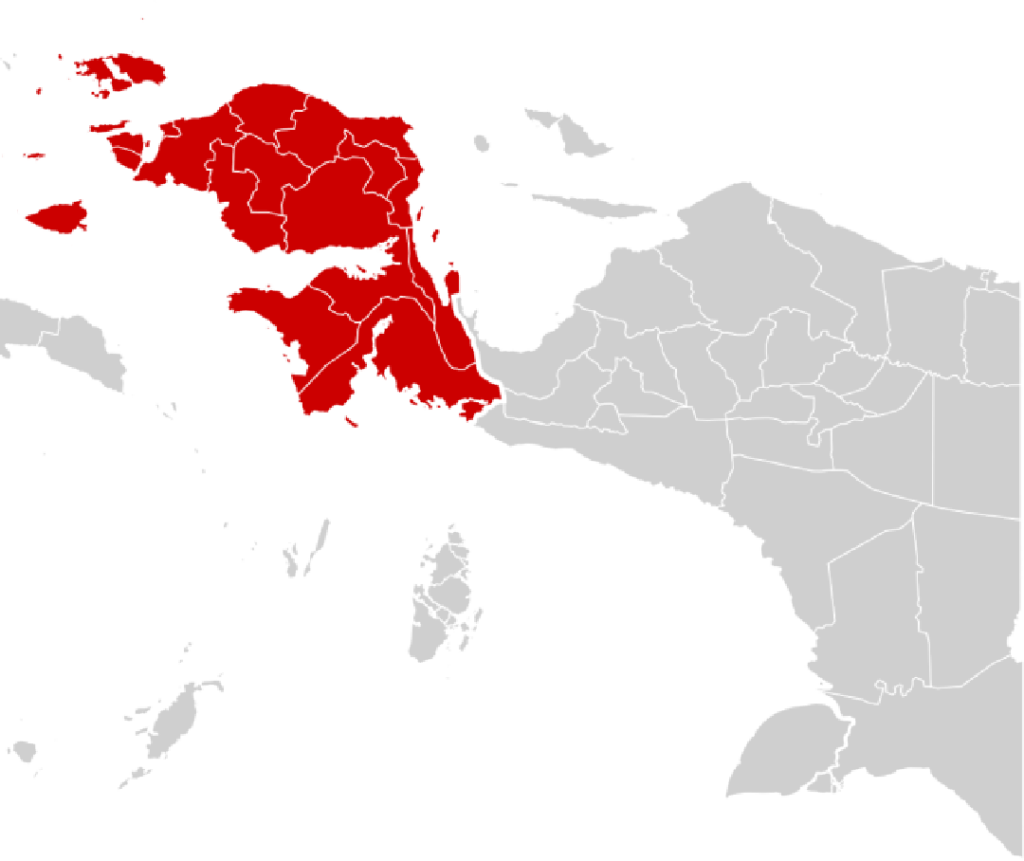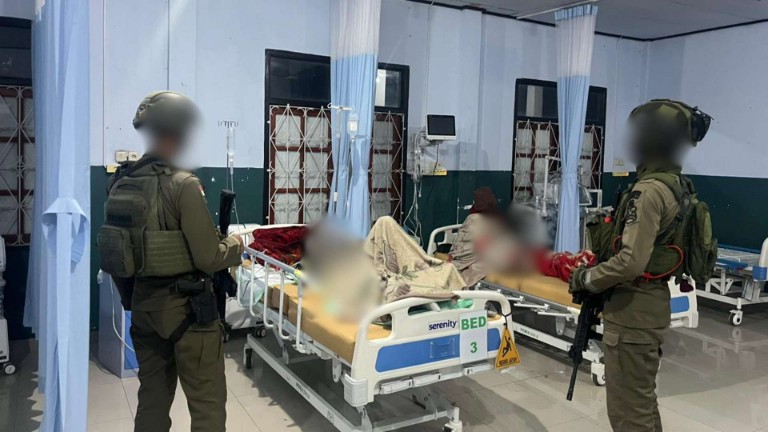
In the rugged highlands of Puncak Jaya, where narrow roads wind through steep valleys and information often travels slower than events themselves, a long pursuit has quietly come to an end.
For more than a decade, the name Pulan Wonda, also known as Kamenak, circulated among security briefings and local accounts. He was not just another figure in the long-running conflict in Papua. He was someone tied to a series of violent incidents, including an attempted attack in 2012 that targeted a senior Indonesian police official who would later become Interior Minister, Tito Karnavian.
This week, Indonesian security forces confirmed that Wonda had been captured.
The arrest took place in Kampung Peruleme, a small settlement in Mulia District on April 2, 2026 at 12.27 local time. It was carried out by personnel from the joint security task force operating in Papua’s highlands, bringing to a close a 14-year search that had spanned multiple regions, shifting networks, and changing dynamics on the ground.
For authorities, the moment represents more than the capture of a single individual. It reflects persistence, intelligence coordination, and a broader effort to reduce violence in some of Indonesia’s most challenging terrain.
A Name That Stayed on the List
Pulan Wonda’s name had appeared in security records for years.
He was identified as a member of the armed wing of the West Papua National Liberation Army (TPNPB), specifically associated with the Kodap XII Lanny Jaya faction and affiliated with the Free Papua Movement (OPM). Within that structure, he was known not only for his involvement but also for his longevity.
While many figures in similar networks come and go, Wonda remained active.
Authorities linked him to multiple acts of violence in the regions of Lanny Jaya and Puncak Jaya. These included attacks that targeted both civilians and security personnel, contributing to an environment where fear often shaped daily life.
But it was one particular incident that ensured his name would not be forgotten.
The 2012 Incident
In 2012, during a period of heightened tension in Papua, an attack was carried out against a convoy involving the then Papua Police Chief, Tito Karnavian.
At the time, Karnavian was one of the most prominent security figures in the region. The attempted shooting did not result in his death, but it underscored the risks faced by officials operating in conflict-affected areas.
Investigations that followed identified Pulan Wonda as one of the individuals involved in the attack.
From that point on, he became a priority target.
The case was not only about an attempted assassination. It was also about the broader pattern of violence that it represented.
Years of Pursuit
Capturing someone like Wonda was never going to be straightforward.
Papua’s highlands present unique challenges. The terrain is difficult, with dense forests, steep mountains, and limited infrastructure. Movement is often restricted, and communication can be unreliable.
For armed groups, these conditions provide natural advantages.
For security forces, they require patience.
Over the years, operations were conducted, intelligence was gathered, and networks were monitored. But Wonda managed to evade capture, moving between areas and maintaining connections that allowed him to remain hidden.
Each year that passed added to his reputation.
He became not just a suspect, but a symbol of how difficult it can be to enforce law in remote regions.
The Operation in Mulia
The operation that led to his capture was the result of accumulated effort.
According to official accounts, security forces had been tracking movements in the Mulia District area for some time. Information from the field suggested that Wonda might be present in Kampung Peruleme.
When the operation was launched, it was carried out with precision.
Personnel moved into the area, secured key points, and conducted a targeted action. Wonda was successfully apprehended without reports of a broader firefight, indicating a controlled operation rather than a large-scale confrontation.
For officers involved, it was the culmination of years of work.
Why This Arrest Matters
On the surface, the capture of one individual might seem like a limited development.
But in contexts like Papua, it carries broader significance.
First, it removes a figure associated with multiple acts of violence.
Second, it disrupts networks that rely on experienced individuals for coordination and planning.
Third, it sends a message.
That even in challenging environments, long-term efforts can yield results.
For communities affected by violence, these outcomes matter.
They contribute to a sense of security, even if only incrementally.
The Human Impact
Behind the operational details are real consequences for people living in the region.
In areas like Puncak Jaya and Lanny Jaya, incidents of violence do not remain isolated. They affect daily life.
Movement becomes cautious. Economic activity slows. Trust between communities and institutions can weaken.
Removing individuals linked to such incidents is part of a broader effort to change that environment.
It is not a complete solution, but it is a step.
A Broader Security Strategy
The arrest of Wonda also reflects the ongoing approach taken by Indonesian authorities in Papua.
Rather than relying solely on large-scale operations, there has been increasing emphasis on targeted actions based on intelligence.
This approach aims to minimize broader disruption while focusing on individuals considered responsible for specific acts of violence.
At the same time, it is complemented by other initiatives, including development programs and community engagement efforts.
The idea is to address both immediate security concerns and longer term stability.
The Role of Leadership
The reference to Tito Karnavian in this case adds another layer of significance.
Now serving as Indonesia’s Minister of Home Affairs, Karnavian represents continuity between past and present efforts in Papua.
The fact that an individual linked to an attempted attack on him has now been captured underscores the long memory of such cases.
It also highlights the importance placed on accountability.
Incidents that occur years earlier are not forgotten.
Challenges That Remain
Despite this success, the situation in Papua remains complex.
Armed groups continue to operate in certain areas. Geography continues to pose challenges. Social and economic factors influence the broader environment.
Security operations alone cannot address all these elements.
They are one part of a larger framework that includes governance, development, and community relations.
Understanding this context is important.
It prevents single events from being seen as complete solutions.
Looking Ahead
For now, attention will focus on what comes next.
Legal processes will follow. Investigations may continue to uncover additional information. Networks associated with Wonda may be examined further.
For security forces, the work does not end with one arrest.
For communities, the hope is that such actions contribute to a more stable environment.
Conclusion
The capture of Pulan Wonda is a moment that reflects persistence.
Fourteen years is a long time in any context. In Papua’s highlands, it represents a sustained effort across changing conditions and challenges.
For Indonesia, it is a reminder that accountability can extend over time.
For those who have lived with the effects of violence, it is a step toward something more stable.
And for observers, it offers a glimpse into a reality that is often overlooked.
Change in places like Puncak Jaya does not always come quickly.
But when it does come, it carries weight.-term