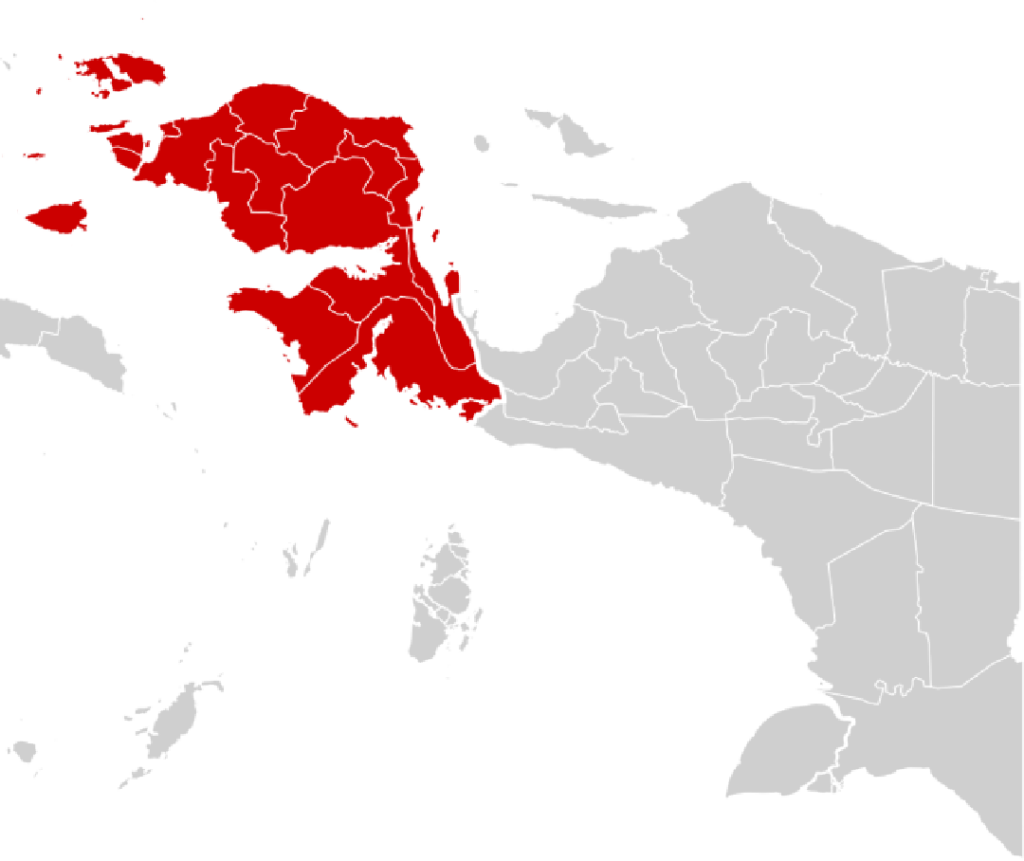
One of the most closely watched projects in Indonesia’s easternmost provinces during President Prabowo Subianto’s first few months in office has been the speeding up of health infrastructure. Papua’s huge landscape, with its steep mountains and many villages that can only be reached by air or river, has made it hard to get good medical care for a long time. It can take days for families in remote areas to get to a hospital. In emergencies, time is often the most important factor in staying alive.
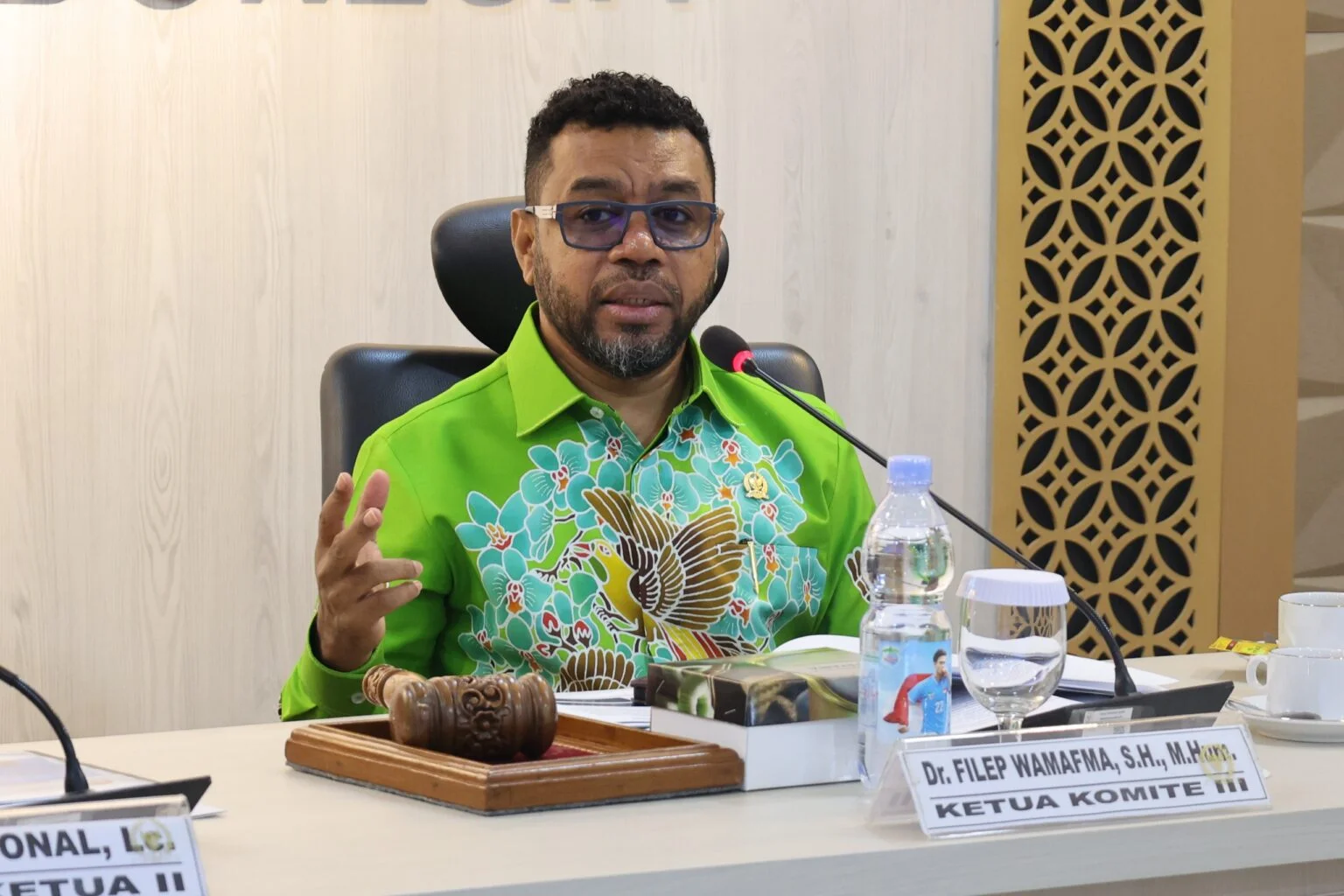
With such realities in mind, the government’s plan to speed up the building and completion of 66 hospitals across Indonesia, with Papua as a priority area, has gotten a lot of attention across the country. Senator Filep Wamafma of the Regional Representative Council, or DPD RI, is one of the people who strongly supports this. He has publicly thanked the people who took what he calls a “decisive step” toward making healthcare more fair in Papua.
Senator Filep says that the project is not just about buildings. It shows a long-awaited promise to fix problems that have hurt generations of people in Papua.
A Program to Speed Up National Health
The 66 hospital acceleration program is part of the government’s larger plan to make quick wins in the health sector. The goal of the plan is to improve and expand hospital facilities, especially in areas that don’t have enough of them. Papua, which has a complicated geography and not enough healthcare facilities, is one of the main beneficiaries.
On February 16, 2026, Senator Filep announced the construction of numerous planned hospitals in Papua and other remote areas. He emphasized that the realization of everyone’s right to quality healthcare is crucial, regardless of their geographical distance.
He said that in many parts of Papua, people still depend on community health centers that don’t have a lot of equipment or staff. Families have to pay a lot of money and go through a lot of stress to get to provincial capitals or even Java for severe cases.
He said that speeding up the building of hospitals will shorten these distances and save lives.
Papua as a Top Priority
National reports that quote official briefings say that at least two dozen of the 66 hospitals are planned for Papua and other parts of the east. This shows that the government wants to close the development gap between western and eastern Indonesia.
Senator Filep said he was glad that Papua was high on the list of things to do. He stated that infrastructure alone is not sufficient, but it serves as the foundation for providing quality healthcare.
He talked about how communities in the interior often have to wait a long time to get treatment in a public speech. Small planes may need to take women in labor to hospitals that are far away. Children with serious infections have to travel for hours or even days to get to specialized care.
For families who live far from cities, the promise of new hospitals is a real source of hope.
Investing in Human Resources
However, infrastructure is not the sole solution. Senator Filep has said many times how important human resources are in healthcare.
Along with the 66 hospital program, the government has made more scholarships available for medical specialization, especially for Indigenous Papuans known as Orang Asli Papua, or OAP. The goal is to get more Papuan doctors to specialize in areas like surgery, obstetrics, pediatrics, and anesthesiology.
Senator Filep has asked regional governments and schools to do everything they can to get as many of these specialist scholarships as possible. He thinks that giving Papuan youth the tools they need to become medical professionals will lead to long-term improvements in healthcare.
When doctors know about their patients’ culture, language, and the way things are in their area, patients trust them more. This trust can be just as important as the medicine itself.
A Personal Promise
For Senator Filep, talking about healthcare development in Papua is not just an idea. It’s very personal.
He has said that families struggle to cope with losing a loved one due to delayed medical care. He has also talked about how hopeful he is that the changes being made now will change this story.
He praised President Prabowo Subianto’s government for making healthcare a quick-win priority, especially in areas that have historically fallen behind in investing in infrastructure.
He also stressed the need for clear implementation, effective budgeting, and strong coordination between central and regional authorities.
What DPD RI Does
Senator Filep is a member of Committee III of DPD RI, which is in charge of health and social welfare issues. He has taken on the roles of both supporter and watchdog of the hospital acceleration program.
He wants regular construction updates and says buildings should have the right medical technology, not just basic structures.
He also stressed how important it is to make sure that scholarships go to qualified Papuan students who promise to go back home after they finish their studies.
Voices from the Community
The news of new hospital projects and scholarship programs has made people in Papua cautiously hopeful.
A nurse at a district clinic in Manokwari said that more hospitals would help the ones that are already there. She talked about how patients sometimes have to wait a long time for care because there aren’t enough beds.
A medical student from Papua who recently applied for a specialist scholarship said that the program has changed how she sees the future. She wants to be a pediatrician and help kids in her hometown.
Parents of aspiring doctors also express pride. They believe that education is a way for both individuals and groups to move forward.
Bridging the Gap
Papua’s health indicators have not been as good as the national averages in the past. Disparities have come about because of geographic isolation, a lack of infrastructure, and an uneven distribution of medical staff.
The government wants to solve both structural and human resource problems by speeding up the building of hospitals and putting money into training specialists.
If executed correctly, Senator Filep believes these programs can bridge long-standing gaps.
He also said that improvements in healthcare should be linked to improvements in other areas of infrastructure, like roads, electricity, and telecommunications.
Challenges Ahead
There are still problems to solve, even though people are feeling positive. Building hospitals in remote areas requires careful planning and dependable supply chains. It will take a lot of work to make sure that trained professionals are always on staff at facilities.
There are also questions about how to keep equipment in good shape, how to keep training going, and how to add new hospitals to regional health networks.
Senator Filep agreed that these problems existed, but he said they shouldn’t slow down progress. Instead, they should make people want to plan carefully and work together.
A Vision for the Future
The vision that Senator Filep and President Prabowo Subianto’s administration support goes beyond short-term goals.
It imagines a Papua where mothers don’t have to worry about long trips during childbirth, where children with serious illnesses get treatment right away, and where young Papuans feel positive about becoming doctors.
Building 66 hospitals across the country, with Papua being the most important, is considered a basic step.
Senator Filep says that the program shows a commitment to development that includes everyone. He has told people involved to see healthcare as an investment in human dignity, not a cost.
Conclusion
Senator Filep Wamafma’s praise for President Prabowo Subianto’s 66 hospital acceleration program and expansion of specialist scholarships shows that the region strongly supports national healthcare reform.
For Papua, the project holds significance beyond mere physical construction. It represents the promise of fair access, stronger local professionals, and a better quality of life.
As construction moves forward and scholarship winners start their training, the real sign of success will be communities that are healthier, shorter wait times for referrals, and a renewed faith in public healthcare.
Families are closely monitoring developments in the highlands, along the coasts, and on Papua’s numerous islands. They hope that this time, development will come to them not just in announcements but also in real, lasting change.