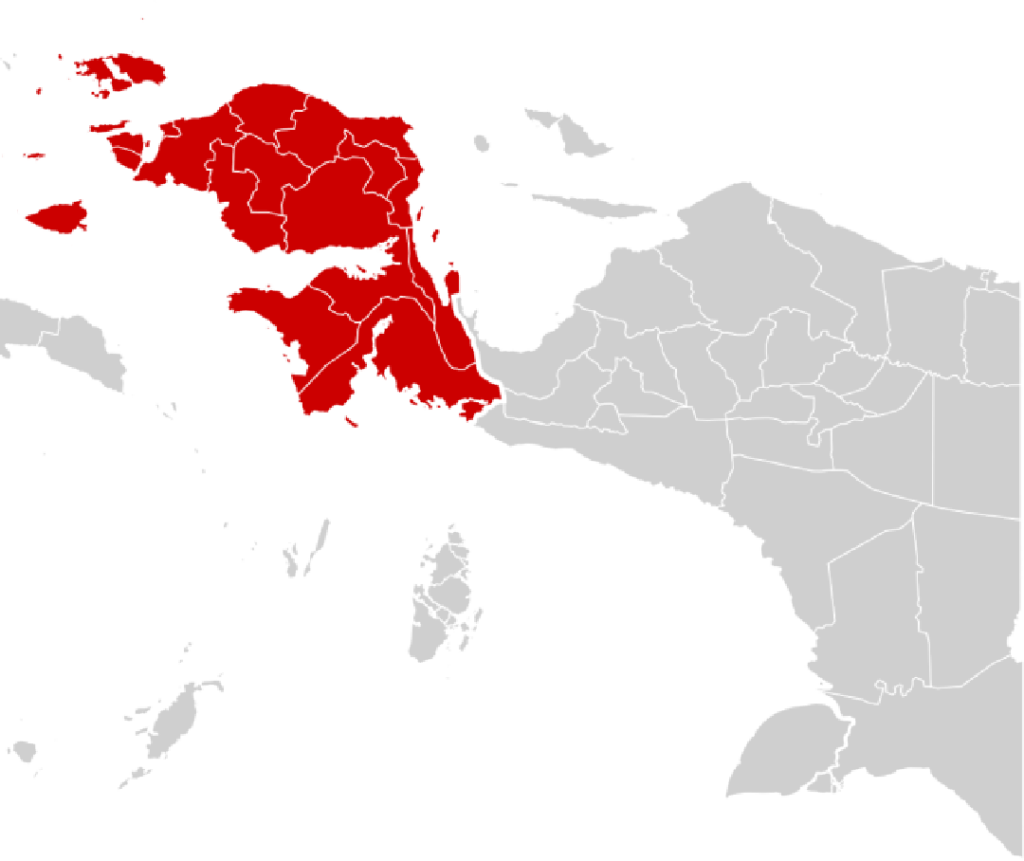
Papua has long occupied a unique place in Indonesia’s national development landscape. Rich in natural resources, cultural diversity, and strategic geography, the region also faces persistent structural challenges that require focused and coordinated solutions. On 19 January 2026, in Jakarta, a high-level coordination meeting between the Executive Committee for the Acceleration of Papua Special Autonomy Development and Indonesia’s national development planning authority marked a significant step forward in addressing these challenges in a more integrated and strategic manner.
The meeting brought together Papua’s special autonomy leadership and senior officials from Bappenas, signaling a shared commitment to aligning regional priorities with national development frameworks. This coordination is not merely administrative. It reflects a growing recognition that Papua’s progress requires synchronized planning, sustained policy support, and measurable implementation that responds to local realities.
Strengthening the Role of Special Autonomy in National Planning
The Executive Committee for Papua Special Autonomy was established to ensure that Papua’s development is not treated as a peripheral agenda but as an integral part of Indonesia’s national vision. During discussions with Bappenas, committee leaders emphasized that special autonomy must translate into concrete improvements in welfare, access to services, and economic opportunity for Papuans.
Rather than operating in isolation, the committee aims to function as a bridge between local aspirations and national policy instruments. This approach allows Papua’s needs to be incorporated into long-term national planning documents while preserving the flexibility required to address the region’s distinct social, geographic, and cultural conditions. The dialogue with Bappenas reinforced the importance of aligning special autonomy programs with national budget planning cycles, sectoral strategies, and performance indicators.
Aligning Action Plans With Measurable Outcomes
One of the central topics of discussion was the Action Plan for the Acceleration of Papua Development, covering the period from 2025 to 2029. This plan serves as a roadmap for translating policy commitments into actionable programs across key sectors such as education, health, infrastructure, and economic empowerment.
Officials stressed that the success of this action plan depends on clarity of roles and consistency of implementation across ministries, provincial governments, and local administrations. By working closely with Bappenas, the Executive Committee seeks to ensure that development targets are realistic, data driven, and supported by adequate funding. This alignment reduces the risk of overlapping programs, fragmented budgets, and uneven outcomes that have historically slowed progress in Papua.
Poverty Reduction as a Core Development Priority
Reducing poverty remains one of the most pressing challenges in Papua. Despite improvements in certain areas, poverty rates in several districts remain significantly higher than the national average. During the coordination meeting, committee members highlighted that poverty in Papua is multidimensional, encompassing limited access to education, healthcare, clean water, and economic opportunity.
The Executive Committee underscored that poverty alleviation strategies must go beyond short-term assistance. Long-term solutions hinge on investing in people, fostering local economies, and building infrastructure that connects remote areas to markets and vital services. Bappenas understood this, emphasizing the importance of integrating Papua-specific poverty reduction initiatives into broader national social protection and development strategies.
Human Development and Education: A Long-Term Investment
Improving human development indicators was a central theme. Papua continues to face challenges in education, healthcare, and workforce readiness. The committee stressed that education should be seen as a strategic investment, not merely an expense.
Collaborating with Bappenas guarantees that education programs in Papua meet national standards while also addressing local requirements.
This includes training for teachers, upgrades to school buildings, and vocational programs tailored to the local economy. Policymakers are envisioning a Papua where its citizens are the bedrock of enduring advancement, providing benefits for those who come after.
Infrastructure and Energy: Catalysts for Advancement
The significance of robust infrastructure was underscored as a key component for both economic and social development. Many Papuan communities are still cut off, which limits their access to markets, healthcare, and education. Better roads, ports, telecommunications, and a reliable energy supply are vital for realizing the region’s economic possibilities.
The Executive Committee stressed the importance of broadening access to reliable electricity.
This would provide a significant advantage to small businesses, local industries, and public services. Energy infrastructure is seen as more than just a developmental objective; it’s also crucial for attracting investment and reducing regional inequalities.
Bappenas reiterated its dedication to incorporating Papua’s infrastructure requirements into the national infrastructure strategy, making sure that project choices are based on both potential benefits and practical considerations.
Community-Driven Planning through Musrenbang
Another major topic of discussion centered on the importance of community-driven planning methods, especially Musrenbang, in determining development priorities. The committee stressed that Musrenbang should genuinely represent community needs, rather than being swayed by political factors.
By reinforcing the integrity of Musrenbang processes, development programs can more effectively tackle the actual problems faced by villages and districts.
The challenges encompass access to clean water, essential healthcare, educational institutions, and opportunities for economic advancement. Bappenas recognized that substantial community involvement strengthens program relevance and accountability, thereby increasing the probability of sustainable results.
Reconciling Development and Security Perspectives
Security concerns have frequently been cited as obstacles to developmental efforts in Papua. Nevertheless, committee members contended that broad perceptions of insecurity can mask the reality that numerous regions are stable and conducive to investment. They emphasized that development projects should not be delayed due to generalized security narratives that do not accurately reflect local circumstances.
Consequently, the committee proposed a balanced approach, wherein development and security mutually reinforce each other.
Addressing the fundamental drivers of social instability through enhancements to livelihoods, education, and infrastructure can contribute to enduring stability. Bappenas acknowledged this viewpoint, underscoring the necessity of employing evidence-based evaluations in the formulation of development initiatives within Papua.
Papua’s inherent natural assets present a considerable advantage. The region encompasses extensive forests, a diverse spectrum of biodiversity, and ecosystems of global significance. Throughout the deliberations, both parties underscored the significance of environmentally conscious development that respects indigenous cultures.
To prevent economic expansion from causing environmental degradation or eroding cultural heritage, the application of sustainable development principles is crucial. Consequently, Bappenas emphasized the imperative of integrating environmental safeguards and social impact assessments into development strategies.
The Executive Committee agreed, underscoring the link between safeguarding Papua’s environment and the well-being and cultural identity of its inhabitants.
Institutional Coordination was a Key Focus of the Talks
Papua’s progress hinges on the collaboration of various ministries, agencies, and governmental tiers. The Executive Committee and Bappenas both recognized the necessity of frequent coordination meetings, data sharing, and joint monitoring to keep things moving forward.
This institutional alignment is vital for crafting sound policies and ensuring their effective execution. It also facilitates quick course corrections when programs face practical difficulties. Both sides voiced hope that ongoing teamwork would yield more consistent and meaningful development results.
Looking Ahead With Shared Responsibility
The coordination between the Executive Committee for Papua Special Autonomy and Bappenas represents more than a technical discussion. It reflects a shared responsibility for Papua’s future and a commitment to turning policy aspirations into tangible improvements in people’s lives.
As development plans move from discussion to implementation, the real measure of success will be seen in improved access to education, healthcare, infrastructure, and economic opportunity across Papua. For international observers, this cooperation offers an example of how national and regional institutions can work together to address complex development challenges in diverse and geographically demanding regions.
Papua’s journey toward inclusive and sustainable development remains ongoing. However, the strengthened partnership between Papua’s special autonomy leadership and Indonesia’s national planning authority signals a clear intention to move forward with greater coherence, accountability, and shared purpose.