If you walk through some neighborhoods in Papua, the problem is not difficult to see.
Roofs patched with whatever material is available. Wooden walls that lean slightly inward. Floors that were never really finished. These are not temporary conditions. For many families, they have been like this for years.
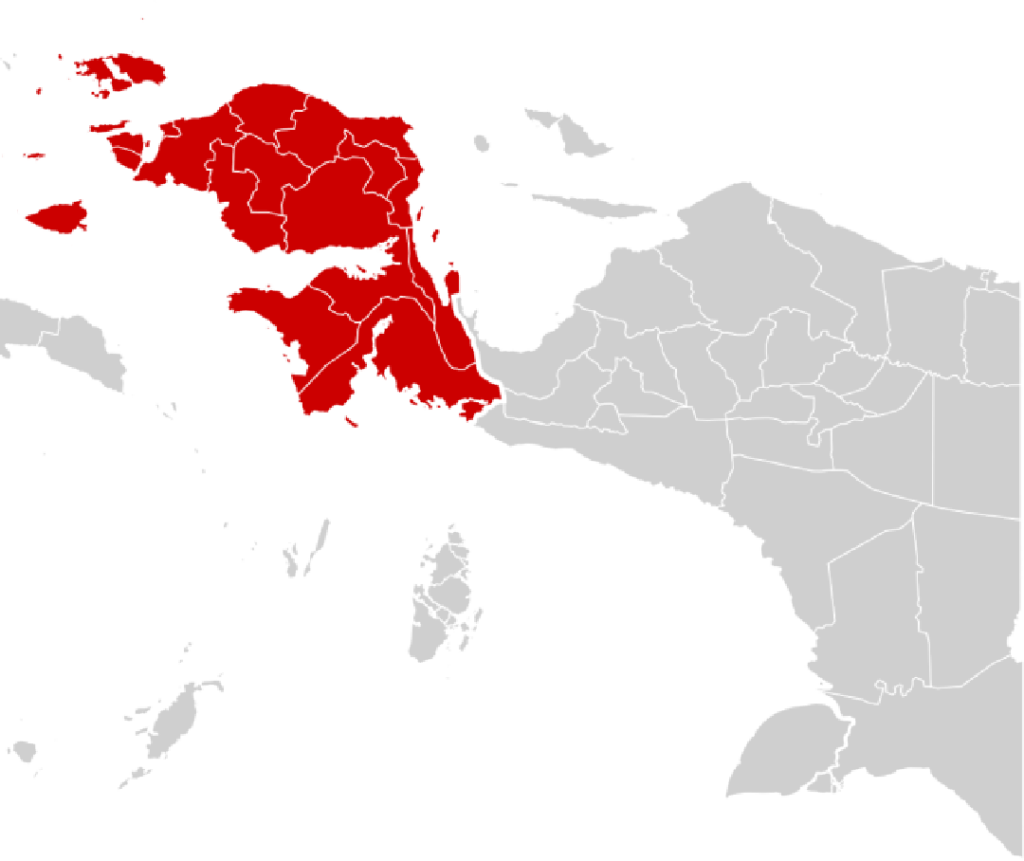
That is the backdrop to the Papua housing program in Indonesia, which is trying to deal with a number that is difficult to ignore. Official data shows around 686,900 households are still living in homes considered unfit. It is a large figure, but on the ground, it feels less like a statistic and more like something ordinary.
A Problem That Has Been There for a While
Housing in Papua has never been a single issue.
In some areas, homes are simply not enough. In others, they exist but are not built to last. Materials are harder to access in remote districts, and transport expenses can push prices higher than expected.
So people build slowly.
A wall this year. A roof repair next year.
It is effective, but only to a certain extent.
Over time, the gaps become visible.
Two Ways the Government Is Approaching It
One part of the effort focuses on homes that are already there.
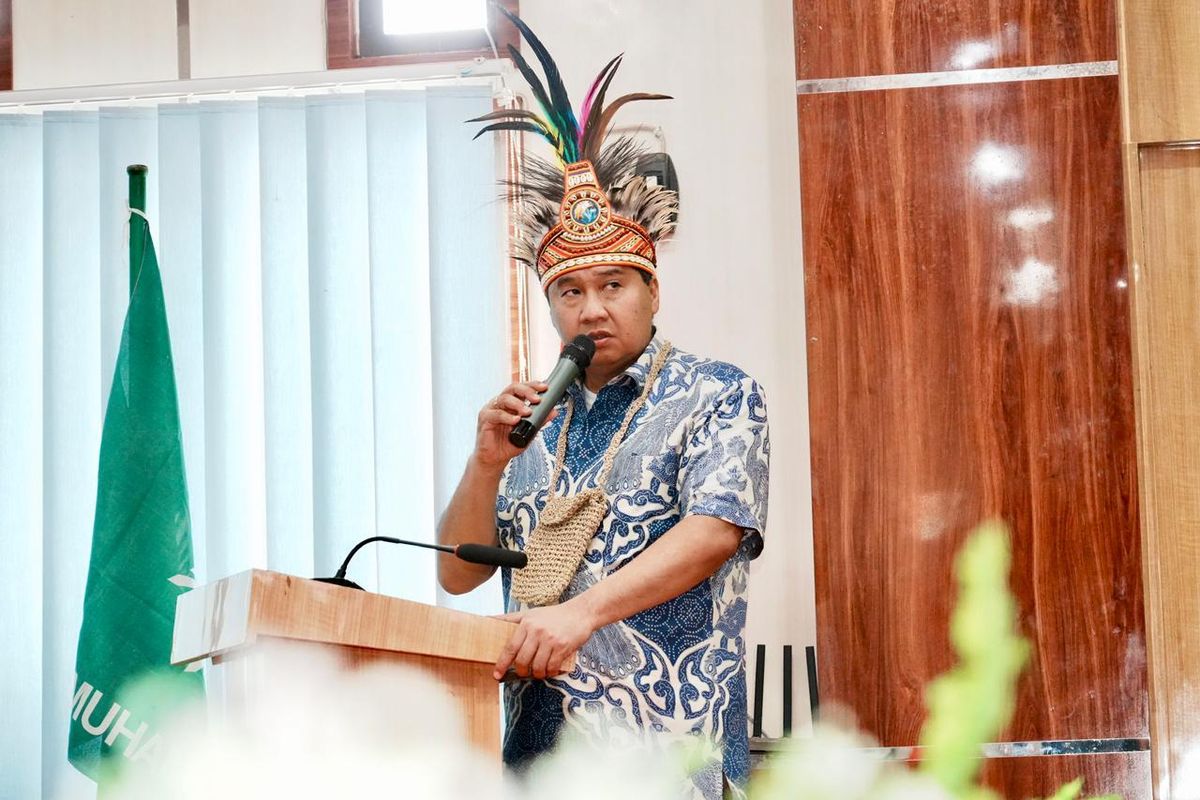
The renovation program, often called “bedah rumah” by Minister of Housing and Settlements Maruarar Sirait, is expected to reach around 21,000 houses across Papua starting in May 2026. Instead of replacing everything, the idea is to improve what exists.
A stronger roof.
Better walls.
A more stable structure.
It sounds simple, but for families living inside those homes, the difference is immediate.
Rain does not come through as easily.
The space feels safer.
Building New Houses Where Needed
At the same time, new homes are being built.
Around 3,000 subsidized units have been planned for 2026, with local developers involved in the process. These are aimed at families who may not have had access to formal housing before.
The pricing is designed to be within reach.
While not inexpensive in absolute terms, it is now more feasible than ever for families to afford housing options that were previously out of reach due to the pricing strategies implemented.
What a House Actually Changes
Housing is often talked about as infrastructure.
But for the people living in it, it is more basic than that.
It affects how people sleep.
How children study.
How families handle everyday routines.
In places where homes are fragile, daily life becomes uncertain.
When conditions improve, even slightly, that uncertainty reduces.
Finding the Right Families
One of the less visible parts of the program is identifying who receives support.
Local governments are involved in verifying data, going through lists, checking conditions, and sometimes visiting homes directly.
It takes time.
And occasionally, it leads to adjustments.
But without that process, assistance can miss its target.
Different Areas, Different Needs
Papua is not uniform.
Conditions in one district can be very different from another.
That means programs cannot be applied in exactly the same way everywhere.
Some areas need more renovation.
Others need entirely new housing.
Flexibility becomes part of the approach.
The Economic Side That Comes With It
Housing programs also create activity.
Construction workers are needed.
Materials are sourced.
Local contractors become involved.
In some places, this process creates short-term jobs.
In others, it helps small businesses stay active.
It is not always large-scale.
But it is noticeable.
Internal Link Perspective
Previous reporting on westpapuavoice.ac has shown that development in Papua often moves in layers.
Roads, education, health, and housing are connected.
Improving one area tends to affect others.
Housing fits into that pattern.
The Challenges That Do Not Go Away
Even with these programs, some things remain difficult.
Transporting materials to remote areas still takes time and money.
Weather can delay construction.
Not all regions have the same level of access.
There is also the issue of scale.
The demand is significant, and advancements occur gradually.
A Process That Feels Gradual
Nothing about this process feels rapid.
There is no sudden change across the region.
Instead, improvements appear in pieces.
One house repaired.
Another one built.
A neighborhood that looks slightly different than before.
Over time, these changes accumulate.
Looking Ahead
What happens next depends on how consistent the effort remains.
Programs like this need to continue.
Data needs to stay updated.
Coordination needs to improve.
If that happens, the impact becomes clearer over time.
Conclusion
The Papua housing program in Indonesia is not something that transforms everything at once.
But in Papua, where housing conditions have developed over years, even small improvements matter.
A roof that no longer leaks.
A wall that holds.
A space that feels more secure.
For many families, those changes are significant.
They shape daily life.
And that is where the real impact begins.