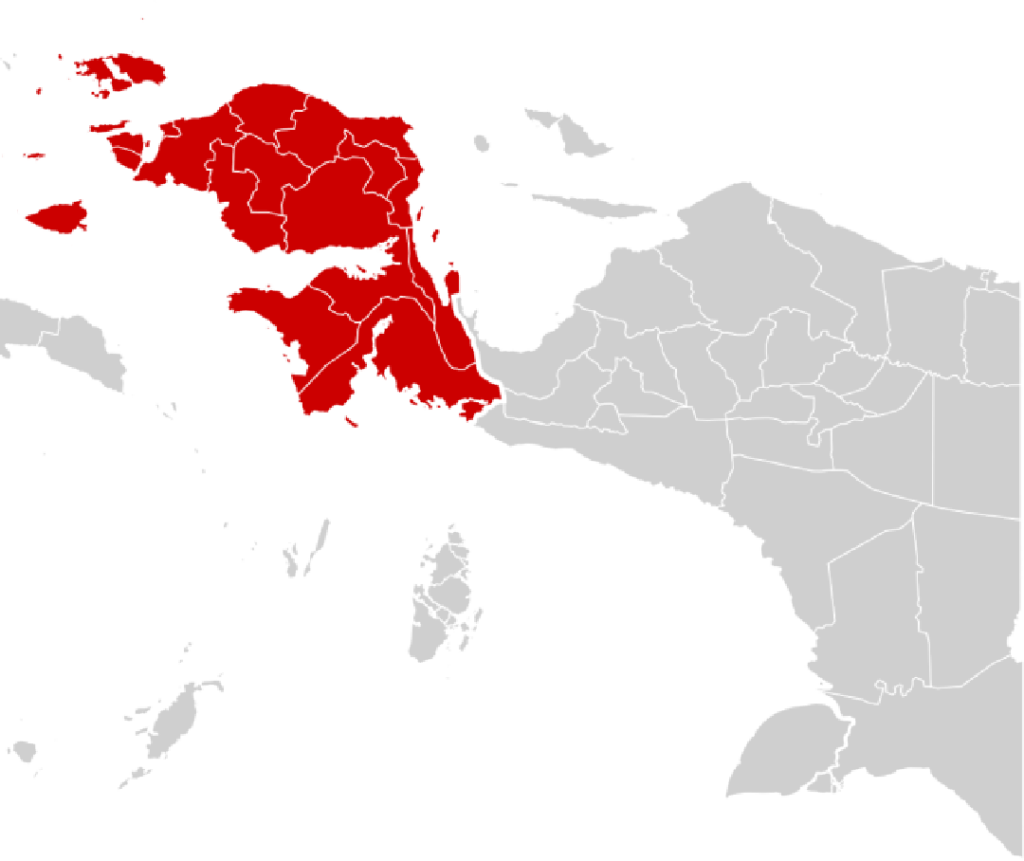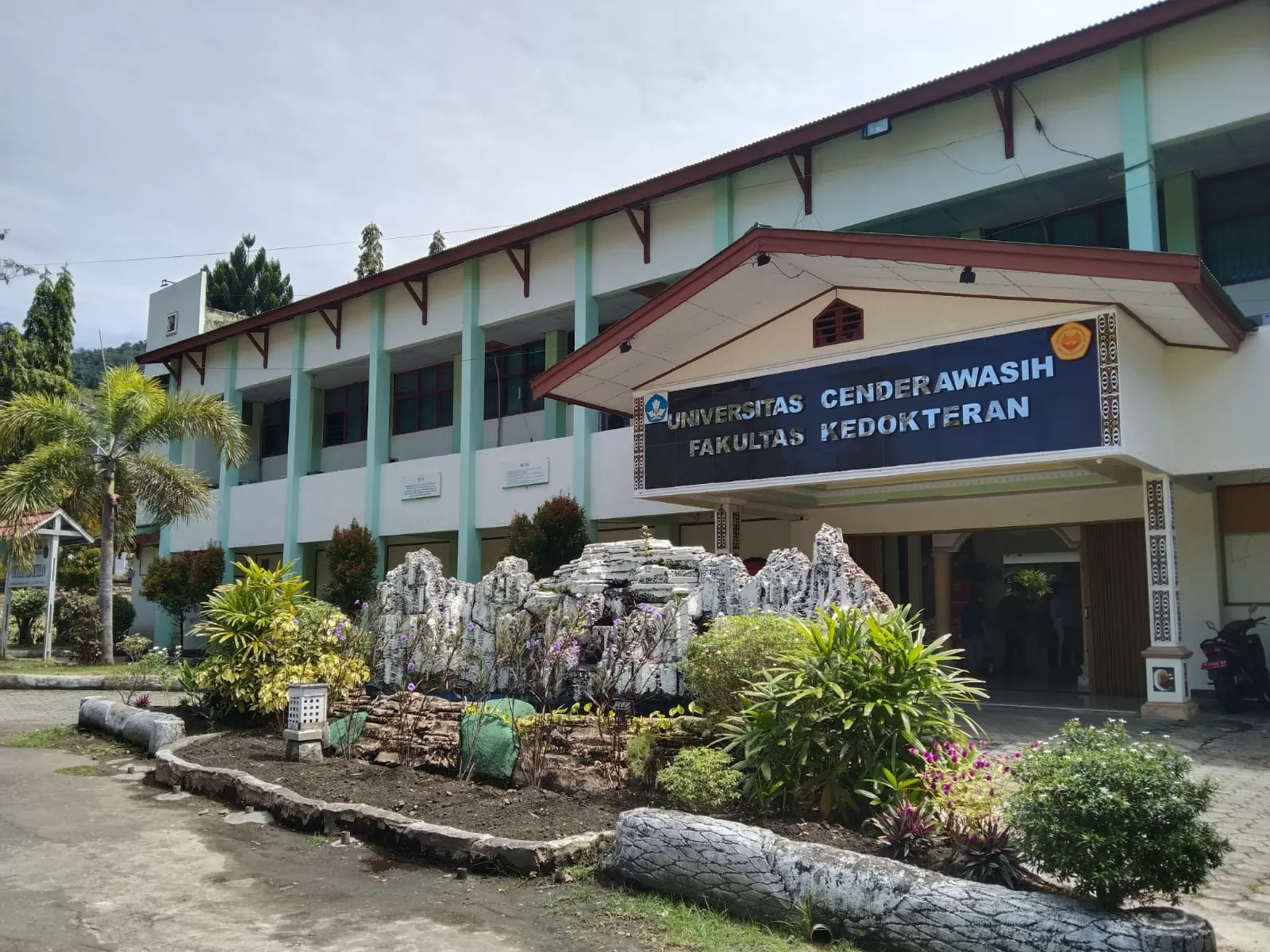
It was a warm morning in Jayapura, and inside lecture halls that have seen decades of struggle and perseverance, a quiet but important event took place. On February 4, 2026, the Faculty of Medicine at Universitas Cenderawasih officially opened its Anesthesiology and Intensive Therapy Specialist Program. This is the first specialist medical study program ever set up in Papua.
For many people in the area, the event was more than just an academic announcement. Many people in the area saw this announcement as a big step forward. Papua has had a long-term lack of specialist doctors, which has forced patients to travel thousands of kilometers to Java, Sulawesi, or Bali for advanced medical care. This program’s start is a long-awaited step toward eastern Indonesia’s ability to take care of its health.
A Long Way to Go for Specialist Medical Education
The road to this milestone started years ago. Universitas Cenderawasih, also known as Universitas Cenderawasih, opened its Faculty of Medicine in the early 2000s with a clear goal: to train doctors who understand the social, cultural, and geographical realities of Papua.
Since it opened, the faculty has trained 1,393 general practitioners, many of whom now work in remote areas, border regions, and island communities in Papua. Often, these doctors handle emergencies alone, with limited equipment, and challenging logistics.
But there was still one important gap. Papua didn’t have any specialized medical education programs. People who wanted to become specialists had to leave the island, move to Java or another big city, and deal with a lot of stress and money problems. Many of them never came back.
The anesthesiology program transforms the landscape.
Why Anesthesiology Is Important in Papua
Anesthesiology is one of the most important medical fields, but it is also one of the least visible. Anesthesiologists are crucial in surgery, emergency trauma care, obstetrics, and intensive care units. Without them, complicated surgeries can’t happen.
Papua has had a serious lack of anesthesiologists. Hospitals often have to rely on specialists who come to them or put off important surgeries because they don’t have enough anesthesia support. This situation has resulted in numerous referrals, extended treatment wait times, and avoidable complications.
For a long time, health officials have said that the first step in improving surgical capacity in Papua is to fix the anesthesiology gap. Universitas Cenderawasih has come up with a new program just for this problem.
The Papua Provincial Health Office says that opening the anesthesiology specialist program is a smart way to improve hospital services, especially for emergency and maternal care.
Local Training for Local Needs
The program’s focus on the local context is one of its most important parts. Future doctors will gain knowledge about the areas that require anesthesiology specialists in Papua.
Students will learn by working with real cases at regional referral hospitals in Jayapura and the surrounding areas. These cases will show the health problems that Papua faces. These situations include trauma from accidents that happen far away, emergency obstetric cases, infectious diseases, and surgical care in places with few resources.
Lecturers think that doctors who are trained in the area are more likely to stay and work there. Data backs this up by showing that medical graduates with strong ties to their home region are more likely to stay in underserved areas.
Government and Institutional Support
The opening of the anesthesiology specialist program was not a one-time event. It is the result of close cooperation between the Papua Provincial Government, Universitas Cenderawasih, and national health authorities.
The Papua Provincial Health Office has publicly backed the plan, saying that specialist education is a key part of changing healthcare. Officials said that Papua can’t keep relying on outside experts forever if it wants to improve health outcomes in the long term.
Another way to show support is to make sure that policies are in line with Indonesia’s Special Autonomy framework for Papua, which puts a lot of money into education and healthcare. We are using scholarships, institutional funding, and building new infrastructure to ensure the program’s longevity.
Stopping the Cycle of Medical Migration
Papua has been dealing with what health experts call “medical migration” for decades. Young doctors leave the area to get specialized training and often start their careers somewhere else because the facilities, job opportunities, and family reasons are better there.
The anesthesiology program is a strong choice. The program makes it easier for Papuan doctors to specialize without having to leave their home region, which helps them financially and emotionally. It also makes the connection between doctors and the people they care for stronger.
A senior lecturer at the Faculty of Medicine says that the program’s goal is to teach specialists and help them become leaders. Graduates should become trainers, hospital managers, and people who fight for better healthcare systems in Papua.
A Symbol of Educational Maturity
Many people think that opening a specialized program is a sign that medical education institutions are getting better. It means that a faculty has the academic readiness, clinical skills, and compliance with regulations needed to train advanced specialists.
This moment is the end of years of planning for Universitas Cenderawasih. As part of the accreditation process, national medical education authorities did thorough field evaluations, improved hospitals, and trained faculty members.
People who have seen this accomplishment say that it puts Universitas Cenderawasih on a new academic level and makes it a center for advanced medical education in eastern Indonesia.
Effects on Healthcare Services
We expect the anesthesiology program to have effects beyond the classroom. As specialist trainees start working in hospitals, they will directly help hospitals all over Papua.
Hospitals can do more surgeries, send fewer patients to other provinces, and respond better to emergencies if they have more anesthesiology staff. This is crucial for the health of mothers, as prompt surgery can significantly impact their lives.
Health economists also say that cutting down on patient referrals can save families and government systems money on healthcare. Keeping patients close to home makes it easier for them to get the care they need and lessens the social burden of getting treatment from far away.
Hope for Patients and Their Families
For patients in Papua, this program means a lot to them on a personal level. It’s common for families to sell land or borrow money to send loved ones to Papua for surgery. Long trips, being in cities you don’t know, and being away from family support networks all make already hard medical situations even harder.
The chance to get specialized care closer to home gives people hope. Community leaders and patient advocates have praised the plan, calling it a step toward making healthcare more dignified.
A community health worker in Jayapura said that the program is a promise that Papuans should get the same level of care as people in other parts of Indonesia.
A Base for Future Specialist Programs
People think that the anesthesiology program is the first of many. Leaders at the university have said that they are thinking about opening other specialist programs, such as internal medicine, surgery, pediatrics, and obstetrics.
Planning, training faculty, and getting the hospital ready will be necessary for each new program. The success of the anesthesiology initiative, on the other hand, gives us a model for future growth.
National health officials have said that improving specialist education in Papua is in line with larger efforts to fix problems with healthcare in different parts of the country.
Challenges Ahead
Even though things look positive, there are still problems. Specialist education costs a lot of money. It needs well-trained lecturers, high-tech tools, and steady funding. It is still hard to keep senior specialists as lecturers in Papua, and it is also hard to make sure that training standards meet national standards.
There are still gaps in infrastructure, especially in hospitals outside of Jayapura. To solve these problems, the government will need to continue investing and working together at all levels.
But many people who have a stake in the issue say that the cost of doing nothing is much higher. Papua will keep having health care problems that hurt development, education, and quality of life until it gets local specialist training.
A Major Change for Papua’s Health Care System
The opening of the anesthesiology specialist program at Universitas Cenderawasih is a big step forward for Papua’s healthcare system. It shows a change from relying on others to building your own skills and from getting care through referrals to getting care from local experts.
It gives medical students new opportunities. It makes it easier for hospitals to provide services. It gives patients care that is closer to where they live.
Most importantly, it signals that Papua is now more than just a hub for healthcare solutions. It is becoming a producer of its specialists, who are knowledgeable about the area and dedicated to serving the community.
Conclusion
The Anesthesiology Specialist Program at the Faculty of Medicine, Universitas Cenderawasih, is more than just a step up in academics. It is a planned action to deal with one of Papua’s biggest health care problems.
Papua is building a stronger and fairer healthcare system by putting money into specialized education. The program is based on a long-term goal of making sure that everyone can get high-quality medical care that is culturally appropriate and lasts.
As the first group of anesthesiology specialists starts their training in Jayapura, they bring with them not only textbooks and clinical skills, but also the hopes of a region that has been waiting a long time for this moment.