
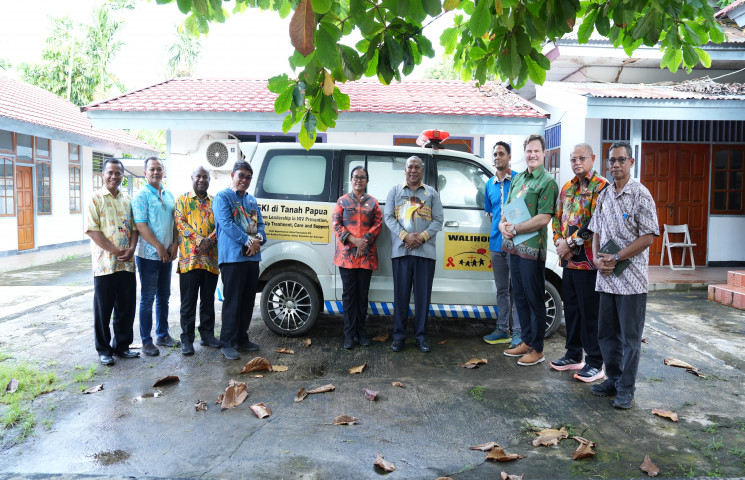
In the easternmost province of Indonesia, where geography, inequality, and limited access to health services often intersect, the fight against HIV and AIDS remains one of the most pressing public health challenges. Papua has long recorded one of the highest HIV prevalence rates in the country, making sustained and targeted interventions not only necessary but urgent.
Against this backdrop, on January 29, 2026, the Papua Provincial Government has taken a decisive step by preparing to reactivate the Walihole HIV Clinic in Jayapura, a specialized health facility dedicated to HIV prevention, testing, treatment, and education. The move reflects a renewed commitment to strengthening healthcare services, restoring trust in public institutions, and ensuring that people living with HIV receive dignified and continuous care.
The reactivation of the Walihole Clinic is not merely about reopening a building. It represents a broader effort to rebuild a health system response that places people at its center, particularly those who have often been marginalized or left behind.
Papua and the Long Road of HIV Response
Papua’s battle with HIV and AIDS presents a considerable, persistent challenge for Indonesia. Even with the progress achieved through various national and local initiatives, significant obstacles persist. Many communities remain cut off, complicating access to essential healthcare. Moreover, social stigma and pervasive misinformation continue to obstruct timely testing and treatment.
The Walihole Clinic once played a crucial role in providing HIV services in Jayapura. It functioned as a referral center, offering voluntary testing, counseling, and antiretroviral therapy. However, operational limitations gradually diminished its effectiveness, resulting in a shortage of specialized care. Patients were often redirected to general health facilities, which weren’t always prepared to manage the intricate medical and psychological needs associated with HIV.
The provincial government’s move to bring the clinic back shows they understand that HIV services need a specialized focus, not just a piece of the larger healthcare puzzle. Good HIV care needs a dedicated space, with trained people, where privacy and dignity are paramount.
Why the Walihole Clinic Matters
Health officials are clear: the Walihole Clinic is vital to Papua’s HIV strategy. Located in Jayapura, the province’s administrative and healthcare hub, the clinic serves both local people and those sent there from nearby districts.
The reopened clinic will provide a full range of services. This includes HIV testing, management of antiretroviral therapy, medical check-ups, and psychosocial support. By bringing all these services together, the clinic hopes to boost treatment adherence and, in the end, get better health results for patients.
Prevention is paramount. Halting the HIV epidemic depends on catching it early and educating the public extensively.
The Walihole Clinic is taking a more active stance, aiming to foster a more proactive public health strategy through increased outreach and encouraging voluntary testing.
Government support and institutional backing are also essential.
The Papua Provincial Government sees the Walihole Clinic’s reopening as a key part of a larger plan to improve health throughout the province. Health officials are concentrating on ensuring an adequate supply of trained medical personnel, necessary medical supplies, and the funding required to keep the clinic running.
Moreover, officials have highlighted the importance of cooperation between provincial health offices, Jayapura’s city health services, and community-based organizations.
This joint initiative aims to ensure the clinic’s continued operation and its ability to meet the community’s needs.
The government has also highlighted the necessity of continuous monitoring and evaluation, which goes beyond the clinic’s physical infrastructure and personnel. Collecting and analyzing data will be essential for assessing the clinic’s impact on HIV testing rates, treatment availability, and the success of patient follow-up.
Confronting Obstacles Through Community Engagement
Stigma continues to be a major barrier in the battle against HIV. In many areas, lingering fears and misunderstandings about HIV and AIDS prevent people from getting tested or starting treatment.
To combat this, the Papua Provincial Health Office has strengthened its collaborations with educators, religious leaders, and local community members.
Schools, houses of worship, and community events are becoming increasingly important for disseminating accurate information about HIV transmission and prevention.
The aim is to foster environments where discussions about HIV are routine, not shunned. Health officials are partnering with trusted community leaders to change perceptions, normalizing HIV testing as a standard component of healthcare.
The Walihole Clinic is prepared to assist with these outreach efforts, offering its services in a setting that prioritizes confidentiality and empathy.
Integrating HIV Services into a Holistic Healthcare Model
While the Walihole Clinic primarily focuses on HIV and AIDS, its reopening is part of a broader strategy to improve healthcare throughout Papua. The clinic intends to collaborate with primary health centers, hospitals, and referral networks to ensure seamless patient care.
This all-encompassing approach is particularly crucial when dealing with co-infections like tuberculosis, a common companion to HIV. The clinic’s offerings will also extend to maternal and mental health services, recognizing that HIV care is about much more than just the drugs.
By strengthening these connections, the provincial government aims to build a strong system where patients get complete support, not just fragmented care.
The Human Element
Behind the statistics and official pronouncements are real people, their lives intricately linked to the services provided, such as those at the Walihole Clinic. For those living with HIV, consistent access to treatment can mean the difference between a life that is manageable and a constant struggle.
Many in Papua have had to endure long journeys to get their medication, faced financial difficulties, or dealt with social stigma.
The clinic’s return signals a revitalization for the community, hinting at a future where healthcare is more accessible and delivered with genuine care.
Community leaders know that trust takes time to establish. The Walihole Clinic’s reopening and its continued operation demonstrate the government’s acknowledgment of the needs of those living with HIV and the significance of supporting their health.
This action also aligns with Indonesia’s national objectives of reducing HIV transmission and ensuring healthcare access for everyone. The Ministry of Health has consistently highlighted the necessity of targeted programs in areas with elevated HIV rates.
Local efforts like this are vital for translating national policy into tangible outcomes. By strengthening specialized services in Jayapura, Papua is contributing to closing health disparities across Indonesia.
The clinic’s reopening is a step in the right direction, reflecting Indonesia’s wider health goals, which are closely linked to the Sustainable Development Goals. These goals emphasize health, reducing inequalities, and promoting social inclusion.
Steps Forward, Not the Final Destination
Even with the clinic back in operation, problems linger. Consistent funding, retaining qualified healthcare workers, and reaching those in remote areas who need care most are still significant challenges.
Patients living outside Jayapura continue to struggle to get to the clinic, primarily because of transportation and financial limitations. Addressing these issues will require ongoing creativity, including mobile health units and improved referral systems.
Health officials recognize that the clinic’s reopening is just the beginning.
Sustained success depends on unwavering political backing, active community involvement, and the capacity to adapt to shifting health demands.
The reopening of the Walihole HIV Clinic heralds a more promising era for Papua. This occasion highlights a crucial reality: combating HIV and AIDS requires more than good intentions; it necessitates robust infrastructure, a grasp of the local social dynamics, and persistent commitment.
As the clinic prepares to resume patient care, it stands as a symbol of optimism. For those in need of treatment, the medical personnel, and the broader community, it demonstrates that tangible progress is possible when health policies are built on both compassion and reliable data.
Amidst a landscape of complex and deeply rooted issues, the Walihole Clinic’s revival conveys a clear message. Healthcare is a shared responsibility, and providing respectful and effective care to everyone is essential for a healthier Papua.

