
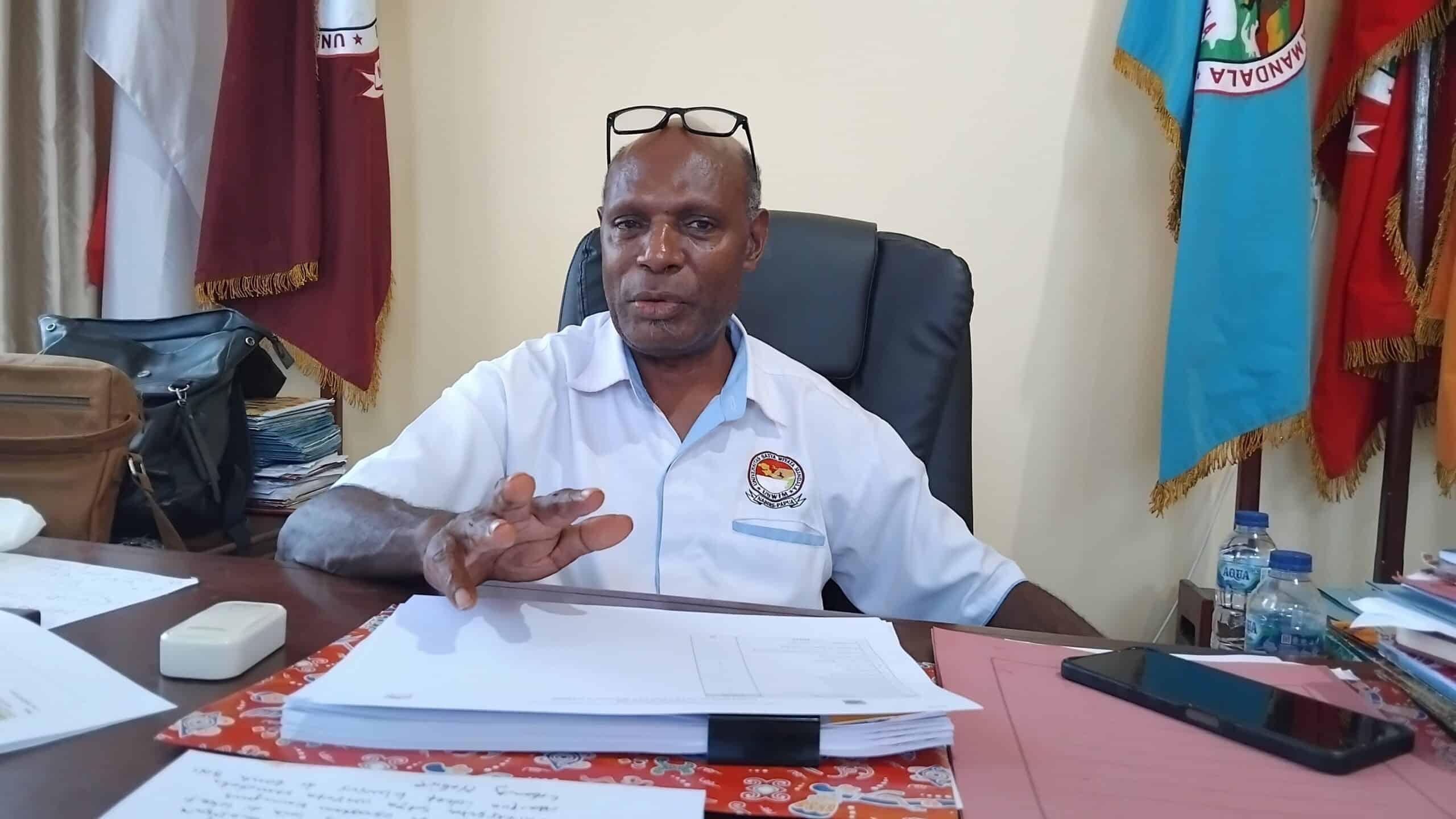
Education has long been regarded as one of the most decisive factors in determining the future of Papua. In a region marked by geographic isolation, limited infrastructure, and uneven access to opportunity, higher education often represents not only personal advancement but also a collective pathway toward social transformation. Against this backdrop, the decision by the Papua Tengah (Central Papua) Provincial Government to allocate 8.2 billion rupiah in education assistance to 1,967 students of Universitas Satya Wiyata Mandala (USWIM) in Nabire stands out as one of the most substantial human capital investments in the province’s early years.
The assistance program, realized on January 27, 2026, reflects a strategic effort to strengthen the quality of human resources in Papua. Rather than focusing solely on physical infrastructure, the provincial government has placed students at the center of its development vision. By easing the financial burden of tuition for nearly two thousand students, the program seeks to ensure that economic hardship does not interrupt academic journeys that are vital to the region’s long-term progress.
Education as a Cornerstone of Development in Papua Tengah
Papua Tengah is a newly formed province facing the dual challenge of building administrative capacity while responding to long-standing social needs. Among these needs, access to higher education remains a priority. Many students in Nabire and surrounding districts come from families with limited financial means, often relying on subsistence livelihoods. Tuition fees, transportation costs, and living expenses frequently become obstacles that force students to postpone or abandon their studies.
The provincial government has publicly stated that improving human resources is a prerequisite for sustainable development. Without skilled graduates in education, health care, public administration, and entrepreneurship, economic growth risks becoming uneven and externally dependent. The 8.2 billion rupiah assistance package is therefore not framed as a one-time charity program but as part of a broader policy to cultivate a capable and locally rooted workforce.
By directing the funds to USWIM, one of the most important higher education institutions in Nabire, the government targeted a campus that draws students from various districts across Papua Tengah.This ensures that the impact of the assistance extends beyond the city, reaching families and communities throughout the province.
Reaching 1,967 Students: Scale and Distribution of the Assistance
According to official data released by provincial authorities and confirmed by university administrators, the education assistance was distributed to 1,967 active students enrolled at USWIM. The funds were allocated to support tuition payments and academic continuity, particularly for students who had been struggling to meet financial obligations.
University representatives emphasized that the assistance covered students from multiple faculties and academic levels. This inclusive approach avoided favoritism toward specific disciplines and reinforced the principle that all fields of study contribute to Papua’s development. From education and social sciences to economics and public administration, beneficiaries reflected the diverse skills needed to build a functioning province.
The transparent distribution process was also highlighted as a key feature.Student data were cross-checked through collaboration between the university and the provincial education authorities, a move that helped minimize the chances of errors. Recipient lists were carefully recorded, which bolstered public trust and accountability for the program.
USWIM’s Contribution to Local Human Capital
Universitas Satya Wiyata Mandala occupies a distinctive place in Nabire’s educational sector. As a local institution, USWIM has been instrumental in offering higher education opportunities to Papuan students who might otherwise struggle to study elsewhere. The student body mirrors the social and cultural variety of Papua Tengah, with many students being the first in their families to attend university.
The university’s leadership expressed appreciation for the provincial government’s involvement, viewing it as a timely and significant response to the students’ needs. University officials pointed out that financial difficulties frequently impact academic performance, attendance, and overall mental health. By alleviating these financial pressures, the provided assistance allows students to focus on their academic pursuits, rather than struggling to meet basic needs.
USWIM has repeatedly emphasized the significance of local context within Papuan education. Our vision extends beyond degree attainment; we aim to cultivate graduates who will become educators, public servants, healthcare providers, and entrepreneurs, all of whom will contribute to their communities. The educational grant directly supports this objective, facilitating students’ completion of their studies and enabling them to effect positive change in their respective regions.
Student Perspectives and the Reality of Financial Hurdles
For numerous students, the support arrived at a critical juncture. Interviews conducted by local media revealed that students frequently expressed concern regarding the persistent anxiety stemming from outstanding tuition fees.
Some students had considered putting their education on hold to earn money, while others relied on family members already struggling financially.
The education grant changed everything. The provincial government’s support for their education ignited a new level of drive and confidence in the students. This assistance was more than just financial aid; it represented something more profound. The province viewed its students not as a problem, but as essential to its progress.
This psychological impact is often overlooked in development strategies. In regions like Papua Tengah, where young people frequently feel a disconnect from the national narrative, direct support from local leaders can foster a greater sense of belonging and responsibility.
Aligning Education Policy With Regional Needs
Provincial leaders have long underscored the importance of tailoring educational investments to address local development priorities. Papua Tengah, for instance, is currently facing a shortage of qualified teachers, healthcare professionals, administrators, and technical experts. The government’s current support for university students is intended to address these deficiencies in the coming years.
As a result, the education assistance program is envisioned as part of a larger, enduring strategy, rather than a temporary measure. Officials have indicated that similar support structures could be expanded or modified based on future assessments. The emphasis is on sustainability, with the goal of creating a self-reinforcing cycle: educated graduates driving economic advancement, enhancing governance, and promoting social unity.
This approach signifies a shift away from dependency on foreign assistance, favoring policies designed to foster self-sufficiency. Papua Tengah is opting to secure its own future by investing in its people, rather than solely relying on external support.
Governance, Transparency, and Public Trust
Public trust is a cornerstone for the success of social programs. The Papua Tengah Provincial Government has demonstrated its commitment to transparent governance concerning the education assistance program. Collaborating with USWIM, they ensured the data’s accuracy and communicated openly with the public about the program’s purpose and goals.
This transparency is particularly important in Papua, where previous instances of inconsistent implementation and a lack of consultation have frequently eroded public confidence in government initiatives.
The education grant program is rebuilding trust between the government and its citizens by showing real progress and keeping everyone in the loop.
University administrators played a key role, ensuring students understood the significance of the assistance they received. The core idea was simple: public money requires commitment, integrity, and a willingness to give back.
Education and the Bigger Picture of Human Development
Support for USWIM students fits into the Papua Tengah administration’s larger human development strategy. The province has also focused on healthcare, economic growth, and infrastructure, recognizing their interconnectedness.
Education is viewed as the foundation for all these efforts.
Well-prepared educators are key to improving educational outcomes.
Qualified healthcare professionals form the bedrock of strong public health systems. Capable administrators are vital for sound governance and the provision of services. Entrepreneurs, in turn, are the driving force behind local economies. All of these roles depend on access to higher education.
The provincial government’s significant investment in student support represents a strategic effort to cultivate a more resilient and self-sufficient Papua.
Looking Ahead: From Campus to Community
As these students progress through their education, the impact of their studies will reach far beyond the confines of the university.
Provincial authorities and university administrators consistently highlight the significance of graduates returning to their communities. This reciprocal agreement between students and the broader society constitutes the ethical foundation of the initiative.
Numerous students have articulated a commitment to contributing to their home regions following the attainment of their degrees. Graduates are anticipated to translate their academic knowledge into tangible outcomes, encompassing endeavors such as teaching in rural educational institutions, engaging in local governmental roles, or establishing small-scale enterprises.
This perspective underscores the notion that education serves not as a final objective but rather as a mechanism for communal progress. In Papua Tengah, where developmental obstacles persist in their complexity, locally based human capital is essential.
Conclusion
The 8.2 billion rupiah allocated for USWIM students, a total of 1,967 individuals, represents more than just a monetary allocation; it’s a clear statement of purpose. The Papua Tengah Provincial Government’s choice to fund education highlights its conviction that human development is the cornerstone of the province’s future.
For observers beyond Papua, this program offers a glimpse into how Indonesian subnational governments are addressing regional disparities through targeted social investment. It demonstrates that education policy, when tailored to local requirements and supported by transparent governance, can be a powerful driver of advancement.
As Papua Tengah forges ahead, the USWIM students are both beneficiaries of this support and the future leaders of that effort. Their accomplishments will ultimately determine if today’s investment yields the inclusive and sustainable growth Papua has long sought.

