
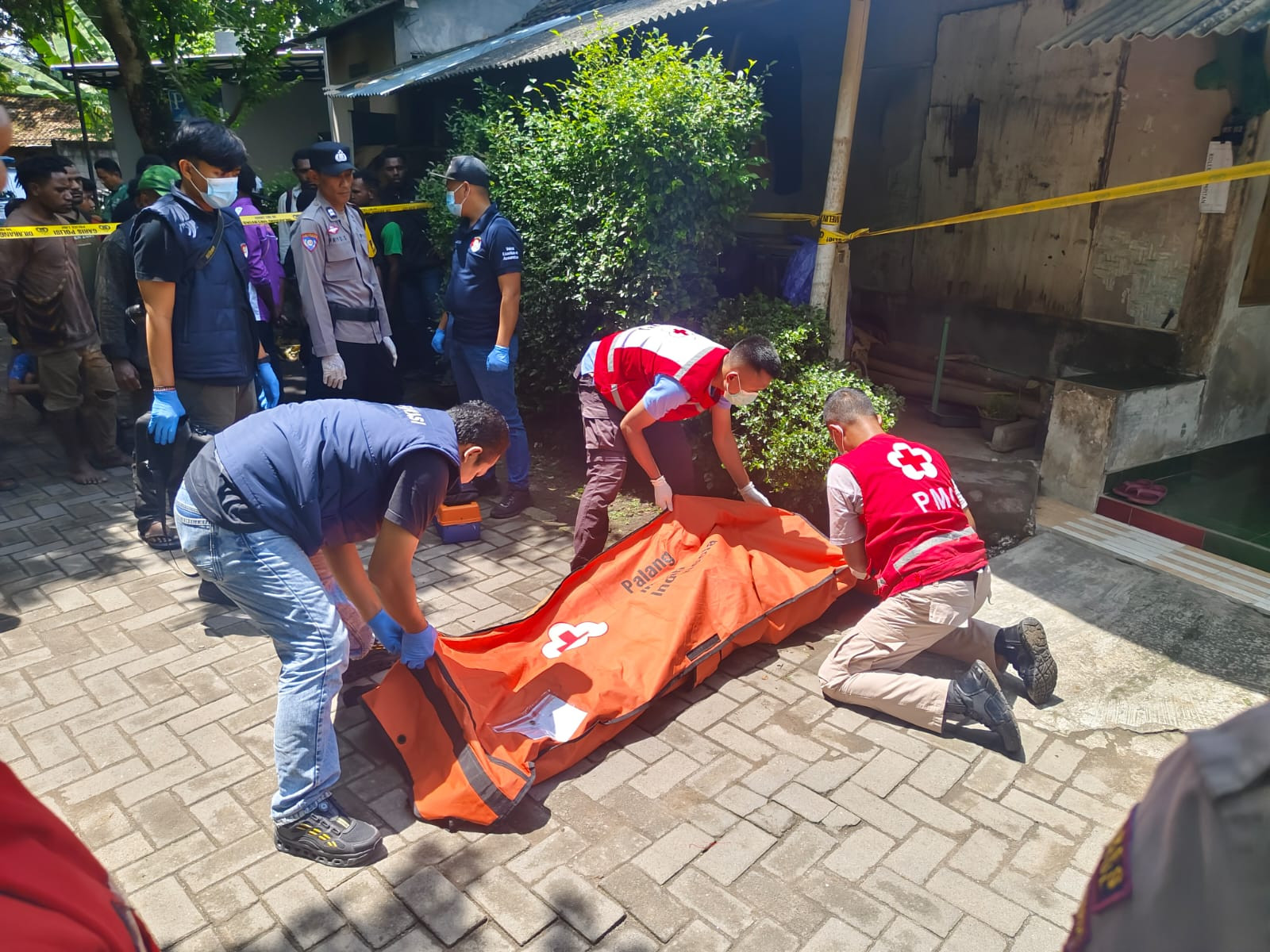
The death of a university student in Bantul, Yogyakarta, on the morning of January 17, 2026, has once again highlighted the perils of alcohol consumption among young people, particularly those far from home. What started as a disagreement following a night of drinking ended in tragedy, sending shockwaves through the Papuan student community in Yogyakarta and resonating with families and leaders back in Papua.
The incident has prompted considerable introspection, leading Papuan community leaders, student representatives, and elders to issue urgent calls against the availability and use of alcohol. Their message is unequivocal. Alcohol has consistently fueled violence, conflict, and the untimely deaths of young people with bright futures. Though deeply personal for the families affected, this case serves as a stark warning to society at large.
The Incident in Bantul
The deadly incident, as reported by police and the media, took place in Kasihan District, Bantul Regency, Yogyakarta Province. AA, 23, and AG, 20, both Papuan students from Paniai Regency in Papua Tengah (Central Papua) Province, are studying in Yogyakarta when the altercation occurred. Investigators found that the fight, which began with words, quickly turned violent after the two had been drinking.
AG, the victim, sustained fatal stab wounds from a sharp object. Despite the efforts of emergency personnel, he could not be saved. The alleged attacker, also a Papuan student, tried to escape but was later apprehended by Bantul Police. Authorities stated that alcohol consumption significantly impaired judgment and contributed to the aggression displayed.
Police emphasized that the incident was not motivated by ethnic or political factors.
The incident, rather, was born of a personal quarrel that escalated, fueled by drink.
A History of Alcohol-Related Violence
This isn’t an isolated event. In recent years, authorities and community groups have documented numerous instances of violence involving Papuan youths outside Papua, often sparked or exacerbated by alcohol. Though most Papuan students lead quiet lives, concentrating on their education, these recurring tragedies have underscored worries about alcohol misuse within specific social groups.
In Yogyakarta, a city with a significant student population from eastern Indonesia, alcohol-fueled disputes have periodically erupted into violence. Local officials have repeatedly encouraged student organizations to foster healthier social activities and conflict resolution strategies.
The Bantul case has amplified these concerns, demonstrating how swiftly alcohol can transform a minor disagreement into a fatal confrontation.
Voices From the Papuan Community
In the wake of the incident, Papuan community leaders and student representatives quickly released public statements. They voiced their profound sadness and condemned the violence. Condolences were offered to the victim’s family, along with a plea for calm and restraint to avoid escalating the situation or fostering further division.
Numerous leaders stressed that alcohol consumption doesn’t align with Papuan cultural values. They pointed out that its misuse runs counter to traditional teachings, which emphasize respect, unity, and self-discipline. Elders reminded students that their actions reflect on Papua’s reputation, no matter where they are studying, and that their behavior impacts their families and communities.
Several Papuan figures specifically called for a unified rejection of alcohol consumption among students, labeling it a harmful force that damages education, health, and social cohesion.
Student Leaders Call for Self Discipline
Papuan student associations in Yogyakarta also acted promptly.
Internal discussions, counseling, and calls for solidarity were quickly arranged. Student leaders emphasized the need for mutual support and responsible conduct, especially for those far from home.
They recognized the difficulties students face when adapting to new surroundings, such as homesickness and social isolation, but cautioned that alcohol only exacerbates these problems. Instead, they urged involvement in academic, cultural, and religious activities as healthier alternatives.
Some organizations announced intentions to bolster internal monitoring and peer counseling programs to identify students at risk of substance abuse before problems escalate.
Alcohol as a Social and Moral Concern
The tragedy has sparked a wider discussion about alcohol as a social issue impacting Papuan communities, both within Papua and beyond.
Community observers have long recognized the connection between alcohol misuse and a range of issues: violence, accidents, and health problems. This is especially true for young men.
Following the Bantul incident, various articles and commentaries presented alcohol as more than just a personal decision. They framed it as a societal problem, one that demands collaboration between families, schools, community leaders, and local governments.
In Papua, religious institutions and customary leaders have consistently sounded the alarm about alcohol’s effects on social order. Many have called for tighter regulations on alcohol sales and more robust educational initiatives aimed at young people.
Law enforcement, for its part, viewed the Bantul case as a criminal matter, with definite legal repercussions. Authorities made it clear that alcohol consumption is not a valid justification for violent actions, and those involved would face the full force of the law.
Simultaneously, the police recognized the need for proactive measures. Officers appealed to community leaders and educational institutions, encouraging collaboration to mitigate alcohol-related dangers for students. They emphasized that prevention is a far more effective strategy than reacting to violence after it happens.
Local authorities also urged boarding house owners and local vendors to adhere to alcohol sales regulations.
Avoiding Stigmatization
A significant worry following the incident was the potential for Papuan students to be unfairly labeled. Community leaders and commentators warned against sweeping generalizations, stressing that alcohol-related violence is a problem that affects the entire country, not just one specific ethnic group.
They emphasized that the majority of Papuan students are law-abiding, dedicated to their studies, and make valuable contributions to the communities they live in. They contended that the actions of a few should not define the accomplishments and hopes of the student body as a whole.
Local authorities in Yogyakarta also voiced this sentiment, calling for calm and urging residents to refrain from prejudice.
Lessons for Education and Policy
The tragic incident in Bantul highlighted the need for more robust preventive measures. Educational institutions that host significant numbers of students from other regions are being urged to implement more thorough orientation programs, encompassing mental health support and substance abuse education.
Some observers proposed that scholarship programs and student housing policies should include mandatory counseling and mentoring elements.
These steps might ease student stress and lessen the tendency to use alcohol as a crutch.
On a larger scale, the event has intensified demands for stricter controls on alcohol sales, especially in places where many students live.
A Call for Shared Accountability
In the end, Papuan leaders have emphasized shared responsibility. Families, they argue, need to stay connected with their children, even when they’re studying elsewhere. Communities must offer guidance and support. Students, too, must practice self-control and keep their focus on their educational goals.
Religious figures have cast this situation as a moral imperative, calling on the youth to value their lives and the hardships endured by their parents. Traditional leaders have cautioned students that violence brings disgrace and suffering, not just to individuals, but to whole communities.
Remembering a Life Cut Short
At the core of this matter is a young life extinguished prematurely. Friends remembered the victim as a student with aspirations and a future. His passing has created an emptiness that no legal remedy can address.
Memorials organized by classmates centered on prayer, contemplation, and a recommitment to peace.
Numerous individuals voiced the hope that the tragedy would catalyze a shift, fostering a more robust opposition to both alcohol abuse and violence.
Conclusion
The deadly altercation between two Papuan students in Bantul, Yogyakarta, serves as a stark illustration of alcohol’s capacity to irrevocably alter lives and prospects within a brief timeframe. Although the incident is currently being processed through legal avenues, its more profound significance resides in the social introspection it has engendered.
Papuan leaders, students, and communities have collectively articulated a consistent message. Alcohol must be unequivocally rejected as a source of harm, and young people must be safeguarded through mentorship, education, and communal support. Only through open and responsible engagement with the issue can the recurrence of similar tragedies be averted.

