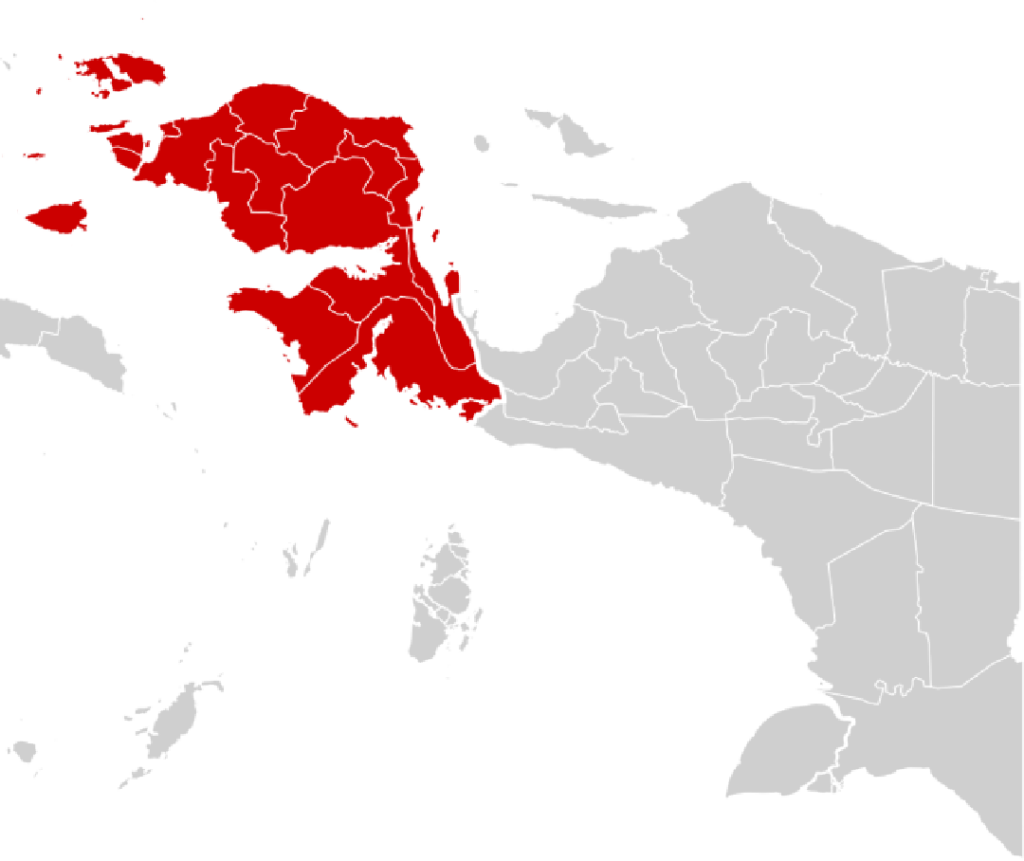
People living in Biak sometimes joke that history here refuses to stay quiet.
Old bunkers still stand.
Rusting military structures remain scattered near forests.
Children grow up hearing stories about aircraft wreckage hidden somewhere beyond villages.
Usually those stories feel distant.
Then March happened.
On March 31, 2026, a deadly explosion involving suspected World War II remnants killed 6 civilians and shocked communities across Biak.
The incident changed something.
Objects previously seen as old metal suddenly looked dangerous again.
Since then, bomb disposal teams, police officers, and local authorities have spent weeks doing something that sounds simple but is not.
Searching for things buried decades ago.
Weeks After Fatal Explosion, Dangerous Objects Keep Appearing
The discoveries did not stop after March.
If anything, residents started finding more.
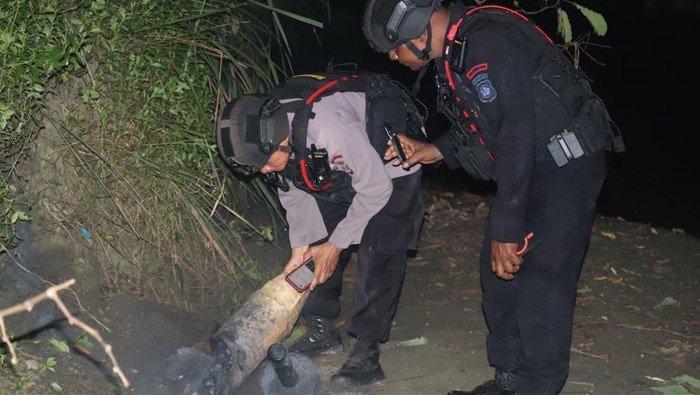
Police announced another disposal operation on June 8 after recovering eight active explosive materials and ammunition believed to originate from World War II.
Officers later destroyed the objects during controlled disposal operations.
For local residents, the announcement created mixed reactions.
Relief.
But also another question.
How many more remain underground?
Residents Began Reporting Objects More Frequently
Several residents say attitudes changed after the March explosion.
People who previously might have moved suspicious objects themselves increasingly contacted authorities instead.
One resident near an area where military remnants had previously been found reportedly described the change simply.
“Now people don’t touch first anymore.”
That shift matters.
Because investigators say many discoveries happen not during official searches but during ordinary activities.
Clearing gardens.
Digging land.
Construction work.
Looking for scrap metal.
Why Biak Still Finds Explosives Eight Decades Later
Biak was not an ordinary island during World War II.
It became one of the Pacific theater’s important battlegrounds.
Heavy fighting happened.
Large military installations appeared.
Bombardments changed landscapes.
When the war ended, soldiers left.
Not everything else did.
Many areas across Biak still contain reminders.
Some visible.
Some hidden.
War History And Daily Life Often Overlap
People visit caves used during wartime.
Tourists photograph bunkers.
Old military tunnels remain part of local stories.
That overlap between history and ordinary life creates unusual challenges.
Because not everything historical is safe.
Several residents interviewed after recent discoveries said they had grown up seeing old metal objects without always considering potential risks.
March changed that perception.
Bomb Disposal Teams Continue Searching Beyond Known Locations
Authorities say operations now extend beyond areas immediately connected to the fatal incident.
Searches continue because officials worry undiscovered remnants remain scattered across different locations.
One officer involved in disposal operations reportedly emphasized that discoveries during the past week demonstrate the problem remains active rather than historical.
The concern is straightforward.
If multiple findings continue appearing after one tragedy, more may still exist.
Some Discoveries Happen During Ordinary Work
Not every discovery happens during security operations.
Some appear while people clear vegetation.
Others emerge when roads expand.
Construction projects occasionally encounter buried materials.
This partly explains why authorities increasingly focus not only on disposal but also public awareness.
Safety Campaigns Become As Important As Disposal Operations
Removing explosives is only part of the work.
Teaching people what not to do becomes equally important.
Authorities increasingly remind residents not to move suspicious objects.
Not to dismantle them.
Not to transport them.
Officials repeatedly encourage immediate reporting instead.
The message appears simple because the risk is simple.
Many wartime explosives remain dangerous despite age.
Sometimes precisely because age makes them unstable.
The Problem Extends Beyond Security
The continuing discovery of wartime remnants also creates practical problems.
Land development becomes slower.
Infrastructure projects require additional caution.
Some communities become more hesitant about certain areas.
Tourism planning occasionally faces additional risk assessments.
Biak continues promoting itself partly through its historical identity.
But preserving history and managing danger increasingly happen at the same time.
Development Depends On Making Old Battlefields Safer
Officials increasingly connect clearance operations with broader development goals.
Safer land means easier construction.
Safer public spaces support tourism.
Safer communities reduce risk for residents.
Removing old explosives therefore becomes more than security work.
It becomes part of preparing land for future use.
Residents Hope The Next Discovery Comes Before Another Accident
Conversations in Biak now sound different compared with several months ago.
People still discuss history.
They still tell wartime stories.
But discussions increasingly include caution.
Parents remind children not to touch strange metal objects.
Communities share photographs when suspicious findings appear.
People pay more attention.
That may ultimately become the biggest change after March.
Conclusion
World War II ended generations ago.
Yet in Biak, reminders still emerge unexpectedly.
Sometimes from forests.
Sometimes from construction sites.
Sometimes from places people pass every day.
The fatal explosion on March 31 forced communities to confront something many already knew but rarely discussed.
The war left.
Parts of it stayed behind.
Today, bomb disposal teams continue searching because residents hope future discoveries happen differently.
Found first.
Destroyed safely.
And never again after another tragedy.